Plant Overview
Known as the "Queen of Camellias," the Camellia nitidissima was once a botanical myth until its discovery in the 1960s. Before then, a yellow camellia was considered as impossible as a blue rose. Native to the limestone forests of southern China and Vietnam, this rare beauty brings a touch of regal elegance and a "tropical" glow to any temperate shade garden.
🔍 How to Identify
- 🌼 The Flowers: Unlike its common pink or red cousins, this species boasts waxy, cup-shaped blooms in a rich, buttery golden yellow. The petals look almost like they have been carved from polished beeswax.
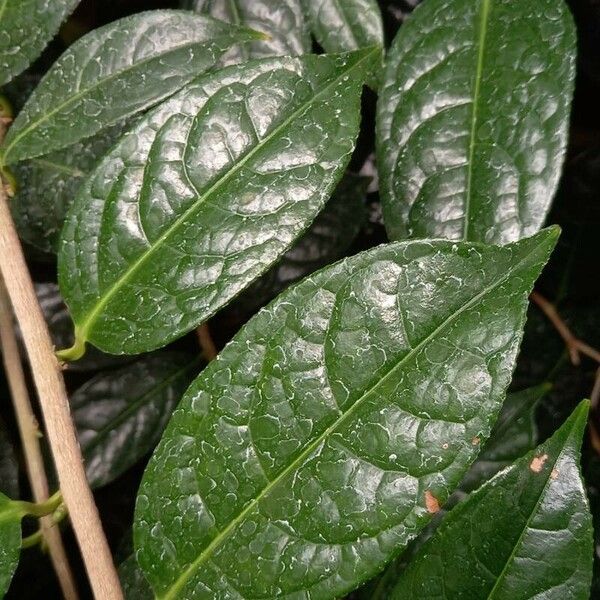
- 🍃 The Foliage: The leaves are exceptionally large, dark green, and leathery. They feature deeply "impressed" veins, giving the leaf a textured, quilted appearance (botanically known as bullate).
- 🌳 Growth Habit: It grows as an upright, evergreen shrub or small tree. In its youth, it can look a bit "leggy" compared to the dense Camellia japonica, but it fills out into a lush, architectural specimen over time.
🏡 In Your Garden
- ☁️ Microclimate Needs: This plant is a forest-dweller at heart. It craves high humidity and dappled light. It is more sensitive to cold than other camellias, so if you live in a frost-prone area, it is best kept in a large pot that can be moved to a sheltered conservatory.
- 🧪 Soil Nuances: It is a strict "acid-lover." It requires a low pH soil that is rich in organic matter but drains perfectly. It hates "wet feet," which can quickly lead to root rot, so avoid heavy clay areas or over-watering in stagnant pots.
⚠️ Safety & Toxicity
- ✅ Status: Generally considered non-toxic.
- 🐾 Pets and People: This camellia is not known to be poisonous to cats, dogs, or horses. While its leaves are often dried and used for "Golden Camellia Tea" in its native regions, garden enthusiasts should avoid consuming home-grown plants as they may have been treated with systemic fertilizers or pesticides.
✨ Fun Fact
For centuries, plant hunters searched for a yellow camellia to help breed new colors. When it was finally found in Guangxi, China, it was so highly prized that it was eventually designated as a "National Treasure" by the Chinese government, earning a status similar to the Giant Panda!

Detailed Care Instructions








