Plant Overview
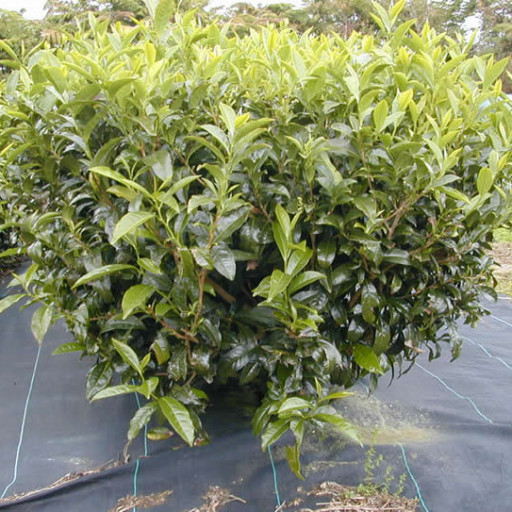
Often called "The Cup of Life" or simply the Tea Plant, Camellia sinensis is arguably the most influential shrub in human history. Native to East Asia, this elegant evergreen is the source of all "true" teas, from delicate Silver Needle to robust English Breakfast. Beyond its agricultural fame, it is a stunning ornamental plant with glossy foliage and delicate, honey-scented blooms.
🔍 How to Identify
- 🍃 The Leaves: Glossy, dark green, and leathery with finely serrated (saw-toothed) edges. New growth often emerges with a coating of soft, silvery-white hairs.
- 🌼 The Blooms: Small, nodding white flowers featuring five to nine waxy petals and a dense, sun-yellow cluster of stamens in the center.
- 🌳 Growth Habit: A dense, multi-stemmed shrub that can reach tree-like heights if left unpruned, though it is typically kept at waist height for easy harvesting.
🏡 In Your Garden
- 🧪 Acidic Ambitions: This plant is a "calcifuge," meaning it hates lime and alkaline soil. For a happy tea bush, use ericaceous (acidic) soil, similar to what you would provide for Blueberries or Azaleas.
- 💧 The Drainage Dance: While it thrives in humid environments and requires consistent moisture, it is highly sensitive to "wet feet." A well-draining, sandy loam is essential to prevent root rot.
- ✂️ Harvesting for Health: Regular "tipping"—pinching off the top two leaves and the terminal bud—doesn't just provide you with fresh tea; it stimulates the plant to grow bushier and more vigorous.
⚠️ Safety & Toxicity
- 🐾 Pet Sensitivity: While humans enjoy the brewed leaves, the plant contains caffeine and theobromine. These can be toxic to cats and dogs if ingested in large quantities, potentially leading to a rapid heart rate or restlessness.
- 🧒 Child Friendly: The plant is generally non-toxic to touch and safe for children to be around, though eating the raw, bitter leaves may cause a mild stomach ache due to high tannin content.
✨ Fun Fact
🍵 The Great Illusion: Many people believe Green, Black, and Oolong teas come from different plants. In reality, they all come from Camellia sinensis! The only difference is the level of oxidation the leaves undergo after they are picked.

Detailed Care Instructions
| Color | White |
| Soil Ph | Acidic; Ph 5.5-6.5 |
| Humidity | High |
| Lighting | Part Sun |
| Soil Type | Rich, Well-Drained, Moist |
| Bloom Time | October To December |
| Difficulty | Hard |
| Plant Type | Evergreen Shrub |
| Mature Size | 6 To 15 Feet |
| Native Area | China |
| Temperature | 18°C - 24°C |
| Sun Exposure | Partial Shade |
| Hardiness Zones | Usda Growing Zones 6-9 |
To grow Camellia Sinensis, follow these steps:
- Choose a suitable location: Camellia Sinensis prefers partial shade or filtered sunlight. Find a location that receives morning sun but is protected from intense afternoon heat. It also needs well-draining soil with a pH between 5.5 and 6.5.
- Select the right variety: There are many cultivars of Camellia Sinensis available. Choose a specific variety based on your climate and preferences. Some common ones include Camellia Sinensis var. sinensis (Chinese tea) or Camellia Sinensis var. assamica (Assam tea).
- Obtain seeds or plants: Camellia Sinensis can be grown from seeds or propagated from cuttings. Seeds need to be stratified by refrigerating them for several weeks before planting. Alternatively, purchase young plants from a nursery.
- Planting: If starting from seeds, plant them in a pot or seed tray with well-draining potting soil. Keep the soil moist and place the tray in a warm location. If using young plants, dig a hole twice as wide and deep as the root ball and place the plant in the hole, backfilling with soil.
- Watering: Keep the soil consistently moist but not overly saturated. Water the plant deeply whenever the top inch of soil feels dry. Avoid overwatering, as it can cause root damage or fungal diseases.
- Fertilization: Camellia Sinensis requires regular feeding to promote healthy growth. Use a balanced organic fertilizer with a higher nitrogen component, such as 10-10-10 or 12-6-6. Feed every 4-6 weeks during the growing season.
- Pruning: Regular pruning helps maintain the desired shape and promotes bushier growth. Prune in early spring before new growth begins. Remove any dead or diseased branches and shape the plant as desired.
- Protection: Protect the plant from extreme temperatures, frost, and strong winds. Mulching around the base of the plant can help insulate the roots and retain moisture.
- Harvesting: Camellia Sinensis leaves can be harvested once the plant reaches about three years of age. Pluck the top two leaves and the bud before they unfurl. Leaves can be used immediately for tea or dried for later use.
By following these guidelines, you can successfully grow your own Camellia Sinensis plant and enjoy harvesting and brewing your own tea.

Place in a window with dappled sun or a spot in the middle of a room. Or directly in a window facing west or east.

To water the plant, it is best to do so deeply and infrequently, allowing the soil to dry out slightly between each watering session. It is important to avoid letting the soil become bone-dry, as this can damage the roots and stunt the growth of the plant. When watering, always use room temperature water and avoid splashing the leaves, as this can cause them to develop unsightly brown spots. Additionally, make sure the pot has good drainage to prevent water from pooling at the bottom of the container and potentially causing root rot.
To fertilize this plant, use a balanced fertilizer with an N-P-K ratio of 10-10-10 or 4-4-4. Apply the fertilizer during the plant's active growing season, which is typically from spring to summer, and avoid fertilizing during the dormant period. Dilute the fertilizer according to the manufacturer's instructions and apply it to the soil evenly around the base of the plant. Water the plant well after fertilizing to aid in absorption. Additionally, it is recommended to test the soil's pH level and adjust it to around 6.0-6.5, as this plant thrives in slightly acidic soil.
For the Camellia Sinensis plant, it is best to use a well-draining soil mixture that is high in organic matter. The pH level of the soil should be slightly acidic, around 6.0-6.5. A good soil mixture could consist of a combination of peat moss, perlite, and vermiculite. It is essential to avoid using heavy soils that may lead to root rot. Additionally, ensure that the soil has good drainage and can retain moisture consistently.
There are different methods for propagating this plant, but one common way is through vegetative propagation. This involves taking stem cuttings from a healthy mature plant and rooting them to form new plants.
To start, choose a healthy, disease-free plant to take cuttings from. Before taking the cuttings, make sure to sterilize your pruning shears with rubbing alcohol to prevent spreading any disease. Select a stem that is about 4-6 inches long, with at least two or three healthy leaves.
Make a clean, angled cut just below a leaf node, and remove any leaves or buds from the lower portion of the stem. Dip the cut end of the stem in rooting hormone powder, which will help promote root growth.
Fill a container with moist, well-drained potting soil, and make a small hole for the cutting. Insert the stem cutting into the soil, and gently press the soil around it to secure it in place.
Cover the container with clear plastic or a plastic bag to create a humid environment, which will help the cutting to root. Place the container in a bright, warm location, but not in direct sunlight.
Check the cutting regularly for signs of growth, such as new leaves or roots. After a few weeks, the cutting should have developed some roots and can be transplanted into a larger container or in the ground.
In conclusion, propagating this plant can be a rewarding experience, and with proper care, the new plants can grow into healthy, productive plants.
Common pests of the tea include Scale insect, mealybugs, spider mites, aphids. Make a habit of checking your tea frequently for pests so that any infestations can be caught and managed early.








