Plant Overview
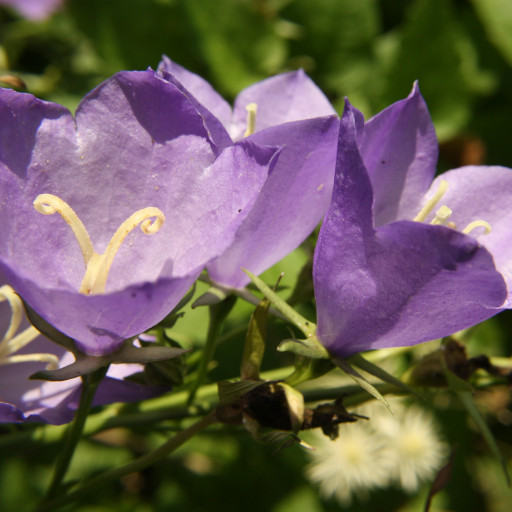
The Campanula Carpatica, affectionately known as the "Carpathian Harebell" or "Tussock Bellflower," is a mountain-dwelling gem that brings a sea of blue or white to any landscape. Originating from the rocky slopes of the Carpathian Mountains in Eastern Europe, this hardy perennial is famous for its cheerful, upward-facing blooms. It acts as a living carpet, slowly spreading to fill gaps between stones or along the edges of pathways with its delicate, bell-shaped charm.
🔍 How to Identify
- 🔔 The Flowers: Unlike many other Bellflowers that droop downward, these flowers face the sun. They are cup or bell-shaped, usually 1–2 inches wide, appearing in shades of deep violet, lavender, or snowy white.
- 🍃 The Foliage: The leaves are small, vibrant green, and roughly heart-shaped with slightly toothed (scalloped) edges. They grow in a dense, tidy "tussock" or mound that stays low to the ground.
- 🌱 Growth Habit: It forms a compact, rounded cushion that typically reaches only 8 to 12 inches in height, making it look like a lush green pillow when it isn't in bloom.
🏡 In Your Garden
- 🧱 Rock Garden Specialist: Because of its mountain heritage, it thrives in rocky crevices and well-draining soil. It hates "wet feet," so ensure its home has plenty of grit or sand to prevent root rot during rainy seasons.
- ✂️ The Deadheading Trick: To keep the floral show going all summer long, you must remove the spent flowers. If you "haircut" the plant after the first heavy flush of blooms, it will often reward you with a second wave of color in late summer.
- 🌡️ Cool Summer Lover: This plant is a fan of moderate temperatures. In very hot, humid climates, it may struggle or take a "nap" during the peak of summer heat, preferring the crisp air of spring and autumn.
⚠️ Safety & Toxicity
- 🛡️ Status: Non-toxic and safe.
- 🐾 Details: The Carpathian Harebell is widely considered safe for both humans and curious pets. It is a fantastic choice for "sensory gardens" where children or dogs might come into contact with the plants.
✨ Fun Fact
The name Campanula is Latin for "little bell." While many believe these flowers are just for show, they are actually a favorite "pit stop" for specialized bees; some small solitary bees have even been known to sleep inside the bell-shaped blooms overnight for protection!

Detailed Care Instructions
| Lighting | Full Sun |
| Hardiness Zones | Max 8B |
To grow Campanula Carpatica plant, also known as the bellflower, you can follow these steps:
- Choose the right location: Campanula Carpatica prefers full sun to light shade. Choose a spot in your garden that receives at least 6 hours of direct sunlight per day.
- Prepare the soil: The plant prefers well-draining soil, so make sure the soil is loose and fertile. You can add compost or well-rotted manure to improve the soil quality.
- Planting: Dig a hole that is slightly larger than the root ball of the plant. Place the plant in the hole and backfill with soil. Gently firm the soil around the plant to remove any air pockets. Space the plants about 8-12 inches apart.
- Watering: After planting, thoroughly water the plant to help it establish its roots. Campanula Carpatica prefers regular watering, so make sure to keep the soil consistently moist but not waterlogged. However, avoid overwatering, as it can lead to root rot.
- Mulching: Mulching around the plant helps retain moisture, suppress weeds, and regulate soil temperature. Apply a layer of organic mulch (such as wood chips or straw) around the base of the plant, leaving a space around the stems.
- Fertilization: Campanula Carpatica generally doesn't require much fertilization. However, you can apply a balanced, slow-release fertilizer in early spring to promote healthy growth.
- Pruning: Deadhead the faded flowers regularly to encourage continuous blooming. Cut the stems back to the basal foliage after flowering to encourage a second bloom in late summer or early fall.
- Winter care: Campanula Carpatica is generally hardy and can withstand freezing temperatures. However, in colder regions, you can add a layer of mulch or straw around the base of the plant to provide extra protection during winter.
With proper care and maintenance, Campanula Carpatica can grow and bloom profusely, adding beauty to your garden.

Place in a window with dappled sun or a spot in the middle of a room. Or directly in a window facing west or east.

This plant should be watered regularly but not excessively, ensuring that the soil is slightly moist but not overly wet. Watering should be done at the base of the plant, taking care not to excessively wet the foliage or flowers. It is important to check the soil moisture level before watering, as overwatering can lead to root rot and other issues. Generally, watering once or twice a week should suffice, but this may vary depending on the climate, temperature, and humidity. It is recommended to use a well-draining soil mix and to avoid letting the plant sit in standing water.
- Choose a well-draining soil mix that is rich in organic matter.
- Use a balanced fertilizer with equal amounts of nitrogen, phosphorus, and potassium.
- Apply the fertilizer once every two weeks during the growing season (spring and early summer).
- Use a liquid fertilizer that is diluted according to the package instructions.
- Water the plant thoroughly before applying the fertilizer to avoid burning the roots.
- Apply the fertilizer around the base of the plant, taking care not to get it on the leaves or flowers.
- Use caution not to over-fertilize, as this can cause the plant to become leggy and weak.
- Stop fertilizing in late summer to allow the plant to prepare for dormancy.
Campanula Carpatica is a type of perennial plant that grows well in well-draining soil. It prefers soil that is on the acidic to neutral side, with a pH range of 5.5 to 7.0. The soil should also be rich in nutrients, with plenty of organic matter to promote healthy growth. It is important to avoid heavy clay soils or soil that is too sandy, as both can cause drainage issues and make it difficult for the plant to thrive. When planting Campanula Carpatica, it is important to amend the soil with compost or other organic matter to help improve its quality and ensure the plant has the nutrients it needs to grow strong and healthy.
To propagate this plant, start by taking 2-3 inch stem cuttings from the parent plant. Make sure to take cuttings from a healthy, disease-free plant.
Next, remove the lower leaves from the cutting, leaving only a few leaves at the top. Dip the cut end of the stem in rooting hormone powder to aid in the rooting process.
Plant the cutting in a container filled with moist potting soil, making sure to place the stem cutting about an inch deep. Place the container in a bright, indirect light location.
Water the cutting as needed to keep the soil moist but not soggy. In a few weeks, you should see roots growing from the stem cutting.
After the roots have developed, gently transplant the new plant to a larger container or directly into the garden soil. Make sure to keep the plant well-watered and monitor for any signs of disease or pests.
Common pests of the carpathian harebell include Spider mites, larvae. Make a habit of checking your carpathian harebell frequently for pests so that any infestations can be caught and managed early.








