Plant Overview
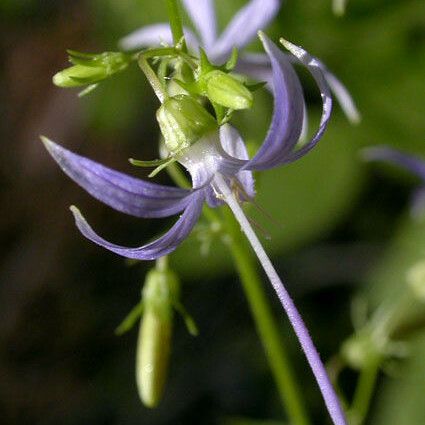
Known as the California Harebell, this delicate wildflower is a jewel of the Western United States. Often found peeking out from the dappled shade of coniferous forests, its deep violet bells look like they were plucked straight from a fairy's garden. It is a favorite for native plant enthusiasts who want to bring a touch of wild, woodland elegance to their landscape.
🔍 How to Identify
- 🌸 Reflexed Petals: The most striking feature is the deep blue-to-purple flower. The five petals curl backward (reflex) quite dramatically, giving the bloom a star-like appearance.
- 📍 The Long Style: Look for a long, thin "needle" (the style) protruding far beyond the petals. This makes the flower look like it has a long nose or tongue.
- 🍃 Serrated Foliage: The leaves are narrow, oval, and have sharply "toothed" or serrated edges. They grow alternately up the thin, somewhat fragile stems.
🏡 In Your Garden
- 🌲 The Shade Seeker: In a garden setting, this plant craves the environment of a forest floor. It performs best in "bright shade" or filtered sunlight, especially in hotter climates where direct sun might scorch its delicate bells.
- 🪨 Drainage is Key: While it enjoys consistent moisture during the blooming season, it hates "wet feet." Planting it in a rock garden or a sloped area with well-draining soil mimics its natural mountain habitat and prevents root rot.
⚠️ Safety & Toxicity
- ✅ Safe Status: The California Harebell is considered non-toxic to humans and common household pets.
- 🐾 Fragility Warning: While not poisonous, the plant is physically delicate. Its thin stems break easily if stepped on by dogs or played with by children, so it is best planted in low-traffic "look but don't touch" zones.
✨ Fun Fact
🐝 The Bee's Target: The intense blue-violet color of the California Harebell isn't just for our eyes; it is specifically "tuned" to the vision of native bees. The reflexed petals act as a clear signpost, directing pollinators straight to the pollen-heavy center.

Detailed Care Instructions
To grow Campanula prenanthoides, also known as Dalmatian bellflower, follow these steps:
- Select a suitable location: Campanula prenanthoides prefers full sun to partial shade. Choose a spot with well-draining soil.
- Prepare the soil: Before planting, loosen the soil and remove any weeds or debris. Incorporate some organic matter, like compost, to improve soil fertility and drainage.
- Planting: Dig holes a few inches apart and place the plants in the holes, ensuring that the crown is level with the soil surface. Gently backfill the holes and tamp down the soil around the plants.
- Watering: Water the newly planted Campanula prenanthoides thoroughly to settle the soil around the roots. Keep the soil evenly moist but not soggy during the growing season. Reduce watering during dormant periods.
- Mulching: Apply a layer of organic mulch, such as wood chips or straw, around the plants to help retain moisture, suppress weed growth, and maintain a cool root environment.
- Fertilizing: Campanula prenanthoides generally doesn't require much fertilizer. However, you can provide a balanced slow-release fertilizer once a year in spring.
- Pruning: Cut back the plant after the first bloom to promote bushiness and additional blooming. You can also deadhead spent flowers regularly to prolong blooming.
- Overwintering: Dalmatian bellflower is relatively hardy and can handle cold temperatures. However, in extremely cold regions, consider mulching around the base of the plant to protect it over winter.
- Pests and diseases: Campanula prenanthoides is relatively resistant to pests and diseases. However, keep an eye out for slugs, snails, and aphids. Control these pests using organic methods if necessary.
- Propagation: You can propagate Campanula prenanthoides by dividing established clumps in early spring or collecting and sowing seeds.
By following these steps, you should be able to successfully grow Campanula prenanthoides and enjoy its beautiful bell-shaped flowers.

Place in a bright room that is sun drenched almost all day. Or directly in a south-facing window.

To properly water this plant, you should first ensure that the soil is dry to the touch before watering. Then, slowly pour water around the base of the plant, making sure to avoid getting water on the leaves or stem. It is important to not overwater, as this can lead to root rot. You should also make sure that the plant is growing in well-draining soil and is not sitting in water. It is recommended to water this plant once a week, or when the soil feels dry.
For best results, fertilize this plant in the spring when new growth begins. Use a balanced fertilizer with an NPK ratio of 10-10-10 or similar. Follow the instructions on the fertilizer package for application rates. Be careful not to over-fertilize, as this can lead to excess foliage growth at the expense of flowers. Water the plants thoroughly after fertilizing.
The Campanula Prenanthoides plant requires well-draining soil that is rich in organic matter and nutrients. It prefers a neutral to slightly acidic pH level between 6.0 and 7.0. The soil should be moist but not too wet as the plant is sensitive to overwatering and can suffer from root rot. It is recommended to mix in compost or peat moss to improve soil texture and fertility. The plant is also tolerant of sandy or loamy soils as long as they have good drainage. Avoid using heavy, clay soils that can retain too much moisture and impede root development.
To propagate this plant, harvest cuttings from the parent plant in the late spring or early summer. Choose healthy, non-flowering stems and cut them into pieces approximately 4 to 6 inches long. Strip off the lower leaves and dip the cut end in rooting hormone powder. Plant the cuttings in a container filled with moist soilless mix. Cover the container with a plastic bag to create a mini greenhouse and place it in a bright location out of direct sunlight. Mist the cuttings occasionally to keep the soil moist, but be careful not to overwater. After 3 to 4 weeks, check for roots by gently tugging on the cutting. If there is resistance, the cutting has rooted and can be transplanted to a larger pot or into the garden.








