Plant Overview
The Spanish Bellflower, or Campanula primulifolia, is a Mediterranean beauty that looks like a curious cross between a primrose and a classic woodland bellflower. Originating from the rocky landscapes of Spain and Portugal, it is often called the "Primrose-leaved Bellflower" because of its distinctive basal foliage. This plant is a favorite in cottage gardens for its ability to bridge the gap between low-growing groundcovers and towering floral spires.
🔍 How to Identify
- 🍃 The Foliage: Unlike many bellflowers, the leaves at the base are large, crinkled, and hairy, bearing a striking resemblance to the common primrose.
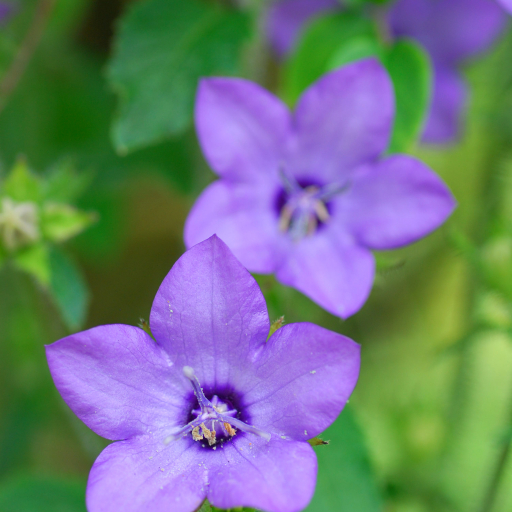
- 🌸 The Bloom Shape: While many Campanula species have drooping, bell-like flowers, this variety features flat, saucer-shaped blossoms that face outward.
- 🎨 The Color Palette: The flowers are typically a soft lavender or periwinkle blue, often featuring a distinctively paler, almost white ring at the very center of the "saucer."
🏡 In Your Garden
- 🦋 Pollinator Magnet: The open shape of the flowers makes nectar easily accessible, making it a high-traffic destination for honeybees and local butterflies during the mid-summer months.
- 🌱 The Self-Seeding Habit: This plant is a "short-lived perennial," meaning individual plants may only last a few years. However, it is an expert at self-seeding; if you leave the spent flower stalks, you’ll find a fresh carpet of "babies" the following spring.
- 🌦️ Drainage is Key: Because of its Iberian roots, it is prone to crown rot if left in soggy winter soil. It thrives best in well-drained spots or raised beds where water can move away from the roots.
⚠️ Safety & Toxicity
- ✅ Safe for All: Campanula primulifolia is generally considered non-toxic to humans, dogs, and cats. It is a "friendly" addition to family gardens.
- 👐 Skin Sensitivity: While not poisonous, the fine hairs on the stems and leaves can occasionally cause very mild irritation to those with highly sensitive skin. Wearing gloves while pruning is a simple precaution.
✨ Fun Fact
The specific epithet primulifolia is a literal Latin translation: primula (primrose) and folia (leaf). It was given this name by botanists who were frequently confused by the plant when it wasn't in bloom, as the leaves alone look almost identical to a giant Primrose!

Detailed Care Instructions
To grow Campanula primulifolia (Dalmatian Bellflower) plant, you can follow these steps:
- Choose a suitable location: Campanula primulifolia prefers a sunny or partially shaded location. It can tolerate various soil types but prefers well-draining soil.
- Prepare the soil: If the soil is heavy or not well-draining, you can amend it by adding compost or organic matter. This helps improve drainage and nutrient content.
- Planting: Dig a hole slightly larger than the rootball of the plant. Place the plant in the hole and backfill with soil, pressing it firmly around the roots. Leave enough space between plants, usually about 12-18 inches apart, to allow for their growth and spread.
- Watering: Initially, water the plant thoroughly after planting to help it establish its roots. Afterward, water the plant regularly, especially during dry periods, to keep the soil moist but not waterlogged. Avoid overwatering, as it can cause root rot.
- Mulching: Apply a layer of mulch around the base of the plant to help retain moisture, suppress weeds, and protect the roots from extreme temperatures.
- Fertilizing: Campanula primulifolia generally does not require much fertilizer. However, you can apply a balanced, slow-release fertilizer in spring to promote healthy growth.
- Pruning: Trim back the spent blossoms regularly to encourage continuous blooming. In late winter or early spring, you can also trim back the plant to remove any dead or damaged growth and promote vigorous new growth.
- Winter care: Campanula primulifolia plants are generally hardy, but if you live in an area with harsh winters, you can provide some winter protection by covering the plant with a layer of mulch or leaves.
By following these steps, you can successfully grow Campanula primulifolia and enjoy its beautiful bell-shaped flowers.

Place in a bright room that is sun drenched almost all day. Or directly in a south-facing window.

Campanula primulifolia is a perennial plant that belongs to the Campanulaceae family. It is characterized by its elongated leaves and delicate blue or lilac flowers which bloom during the spring and summer seasons.
Watering this plant is a crucial aspect of its care routine, which helps ensure its healthy growth. Here are some guidelines to follow when watering Campanula primulifolia:
1. Watering Frequency: The frequency of watering largely depends on the plant's environment and weather conditions. Typically, the plant requires regular watering to keep the soil consistently moist. However, it's important to avoid overwatering, as excessive moisture can lead to root rot. On the other hand, underwatering should also be avoided, as the plant may suffer from drought stress and wilt.
2. Soil Moisture: Before watering, it's essential to assess the moisture level in the soil. Insert your finger or a moisture meter about an inch into the soil near the root zone. If it feels dry, it indicates the need for watering. If the soil feels slightly moist, it's best to wait a few more days before watering. This way, you can prevent overwatering and maintain an appropriate soil moisture balance.
3. Watering Method: Water the plant at the base rather than overhead. Pour water slowly and evenly around the root zone until you observe the water starting to drain from the bottom of the pot. This ensures that the water reaches the plant's roots effectively and prevents unnecessary moisture on the foliage.
4. Watering Technique: To avoid waterlogging or excessive moisture retention, use a well-draining potting mix that allows excess water to drain freely. If the plant is growing in a garden bed, ensure that the soil has good drainage capabilities and is not prone to waterlogging.
5. Seasonal Adjustments: During the active growing season, which is typically spring and summer, the plant may require more frequent watering due to increased evaporation. Monitor the plant's moisture needs during these periods and adjust your watering schedule accordingly. In contrast, during the winter months or dormancy period, the plant may require less frequent watering due to reduced growth activity.
6. Rainwater vs. Tap Water: Campanula primulifolia generally prefers slightly acidic soil conditions. If your tap water is alkaline or heavily chlorinated, it may be beneficial to use rainwater or collect and store tap water for a day before using it to water the plant. This allows the chlorine to dissipate and avoids any adverse effects on the plant's health.
Remember, understanding the specific water requirements of your Campanula primulifolia plant is crucial for its overall well-being. By paying attention to the soil moisture levels, utilizing appropriate watering techniques, and considering seasonal adjustments, you can provide optimal growing conditions for this beautiful plant.
To fertilize the Campanula Primulifolia plant, follow these instructions:
- Choose a balanced, water-soluble fertilizer specifically formulated for flowering plants. Check the NPK ratio on the packaging, aiming for a balanced blend such as 10-10-10 or 20-20-20.
- Dilute the fertilizer at half strength according to the package instructions. This will prevent over-fertilization, which can harm the plant.
- Apply the diluted fertilizer to the soil around the base of the Campanula Primulifolia plant. Take care not to let the fertilizer come into direct contact with the leaves or stems, as this can cause burns.
- Water the plant thoroughly after fertilizing to help distribute the nutrients throughout the root zone.
- Repeat the fertilization process every two to three weeks during the growing season, which typically starts in spring and lasts until early fall. This will provide a regular supply of nutrients to support healthy growth and vibrant blooms.
- During the dormant season, reduce or stop fertilizing as the plant's growth slows down or halts. Resume fertilization when new growth appears in spring.
Remember to read and follow the specific fertilizer instructions and adjust the frequency and strength of application based on the plant's response and individual needs. Regular fertilization, combined with proper watering and care, will help your Campanula Primulifolia plant thrive.
When selecting the appropriate soil for Campanula Primulifolia, it is important to consider its natural habitat and preferred growing conditions. This plant thrives in well-draining soil that is rich in organic matter. It prefers a slightly acidic to neutral pH level between 6.0 and 7.0.
The ideal soil for Campanula Primulifolia should be loose and friable, allowing for proper root development and enabling the plant to absorb essential nutrients easily. A mixture that contains a combination of organic compost, peat moss, and coarse sand can be an excellent choice. This blend provides the necessary drainage while retaining enough moisture for the plant's hydration needs.
Organic matter aids in retaining moisture, promoting nutrient absorption, and improving overall soil structure. Adding well-rotted compost or aged manure to the mix can increase the organic content and significantly benefit the growth of Campanula Primulifolia.
To further enhance the soil's drainage capacity, incorporating perlite or vermiculite into the soil mixture can be beneficial. These additives help prevent waterlogging, which can lead to root rot and adversely affect the plant's health.
Lastly, it is crucial to avoid the use of heavy clay or compacted soils, as they retain excessive moisture and can result in root suffocation or waterlogged conditions. Such conditions are unfavorable for Campanula Primulifolia and may lead to the plant's decline.
Overall, providing well-draining, nutrient-rich soil with ample organic matter is key to promoting healthy growth and vibrant blooms for Campanula Primulifolia.
To propagate Campanula Primulifolia plant, you can follow these steps:
- Choose a healthy and mature plant to ensure successful propagation. Look for a plant that has well-developed roots and sturdy stems.
- Prepare a soil mixture that is well-draining and fertile. A combination of peat moss, perlite, and sand can be used. Ensure the soil pH is slightly acidic to neutral.
- Select a container that has drainage holes to prevent waterlogging. Sterilize the container before use to minimize the risk of diseases or pests.
- Take stem cuttings from the plant during the early spring or late summer. Use a clean, sharp pair of pruning shears to make a clean cut just below a leaf node.
- Remove any lower leaves from the stem cuttings, leaving only a few set of leaves at the top. This reduces water loss through transpiration.
- Dip the bottom end of the stem cuttings in a rooting hormone powder or gel. This helps promote root development.
- Plant the stem cuttings in the prepared soil mixture. Make a hole in the soil using your finger or a dibber and gently insert the cutting, ensuring at least two leaf nodes are buried in the soil.
- Lightly press the soil around the cutting to ensure good contact between the stem and the soil.
- Place the container in a warm and bright location, but away from direct sunlight. A greenhouse or windowsill with filtered light can be ideal.
- Mist the cuttings regularly to maintain high humidity around them. Covering the container with a plastic bag can help create a greenhouse-like environment.
- After a few weeks, you should start seeing new growth and roots emerging from the stem cuttings. This indicates successful propagation.
- Once the roots are well-developed and the new plants have grown a few inches tall, they can be transplanted into individual pots or into the garden.
By following these steps, you can propagate Campanula Primulifolia plant and expand your collection or share it with fellow gardeners.








