Plant Overview
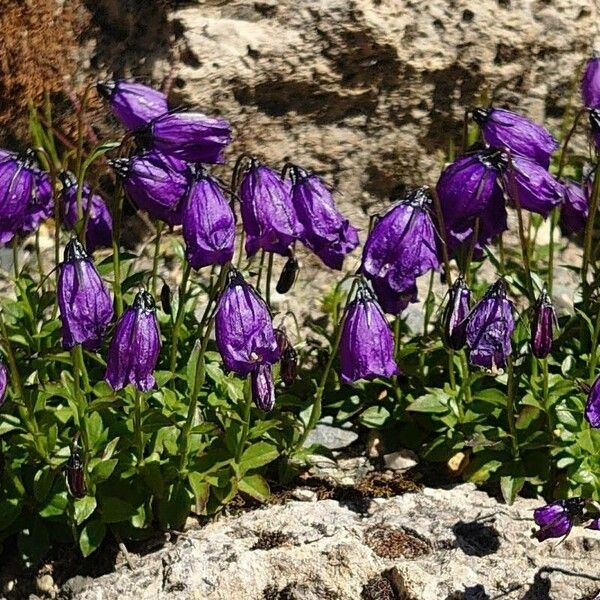
Often called the Solitary Bellflower or the Dark Bellflower, Campanula pulla is a tiny mountain gem hailing from the limestone peaks of the Austrian Alps. Unlike its tall, sprawling cousins, this miniature beauty forms tidy, lush carpets of green topped with dramatic, nodding bells of the deepest midnight purple. It is a favorite for rock gardeners who want a touch of "Alpine moodiness" in their collection.
🔍 How to Identify
- 🔔 The Flower: Deep, ink-like violet or dark purple bells that hang individually (solitary) on thin, wiry stems.
- 🍃 The Foliage: Small, rounded to ovate dark green leaves with slightly serrated edges that form a dense, low-growing mat.
- 📏 The Stature: A true dwarf plant, it rarely grows taller than 4 to 6 inches, making it look like a tiny forest of bells.
🏡 In Your Garden
- ⛰️ Alpine Roots: Because it originates in high-altitude scree slopes, it demands excellent drainage. It thrives in rock gardens, troughs, or between paving stones where its roots can stay cool while its head enjoys the sun.
- 🦴 Lime Lover: Unlike many plants that prefer acidic soil, this bellflower specifically enjoys limestone-rich (alkaline) environments. Adding a bit of grit or crushed limestone to the planting hole can make it feel right at home.
- 💧 The Cool Down: It is sensitive to high humidity and sweltering summer nights. In warmer climates, give it a spot with morning sun and afternoon shade to prevent it from "melting" in the heat.
⚠️ Safety & Toxicity
- ✅ Pet & Human Safe: Like most members of the Campanula family, the Solitary Bellflower is considered non-toxic to dogs, cats, and humans.
- 👐 Gentle Handling: While safe, its thin stems and rhizomes are quite delicate. It is best placed somewhere it won't be stepped on or frequently disturbed by curious paws.
✨ Fun Fact
Despite its delicate appearance, Campanula pulla is a tough survivor that spreads via underground runners (rhizomes). In the right conditions, it will slowly "walk" through your rock garden, popping up in tiny crevices to create a natural, un-manicured mountain look.

Detailed Care Instructions
Campanula pulla, commonly known as Dalmatian bellflower, is a low-growing perennial plant that can be grown in gardens or containers. Here are some tips on how to grow Campanula pulla:
- Choose a location: Campanula pulla prefers full sun to partial shade and well-draining soil. It can tolerate some drought but prefers regular watering.
- Planting: Plant Campanula pulla in the spring or fall, making sure to space them about 6-8 inches apart. Dig a hole slightly larger than the root ball and gently place the plant in the hole, covering the roots with soil.
- Watering: Water Campanula pulla regularly, especially during dry periods. Avoid overwatering as this can lead to root rot. Water at the base of the plant to keep the foliage dry and prevent diseases.
- Fertilizing: Campanula pulla does not require much fertilizer. A light application of a balanced fertilizer in the spring can help promote healthy growth.
- Mulching: Mulch around Campanula pulla plants to help retain moisture and suppress weeds. Use a layer of organic mulch such as wood chips or straw.
- Pruning: Deadhead old flowers to encourage more blooms and prevent self-seeding. Cut back any leggy growth to encourage bushier growth.
- Pests and diseases: Campanula pulla is generally pest and disease resistant, but keep an eye out for slugs, snails, and powdery mildew. Treat any issues promptly with appropriate measures.
By following these tips, you can successfully grow Campanula pulla in your garden or containers. Enjoy the beautiful bell-shaped flowers and low-maintenance care of this lovely plant.
To properly water the Campanula Pulla plant, it is important to remember a few key details. Firstly, the plant should be watered consistently and evenly to ensure proper growth and development. It is best to water the plant at the base, rather than overhead, to prevent water from pooling on the leaves and causing rot or disease.
The Campanula Pulla plant should be watered when the top inch of soil feels dry to the touch. It is important to avoid overwatering, as this can lead to root rot and other issues. To determine if the plant needs water, simply stick your finger into the soil and check for moisture.
During the growing season, the Campanula Pulla plant may require more frequent watering, especially if it is growing in a warm or sunny location. In contrast, during the dormant season, the plant may require less water. It is important to monitor the plant closely and adjust the watering schedule accordingly.
Overall, proper watering is essential for the health and vitality of the Campanula Pulla plant. By following these guidelines and paying attention to the plant's needs, you can help ensure that it thrives and flourishes in your garden.
To fertilize the Campanula pulla plant, use a balanced liquid fertilizer diluted to half-strength. Apply the fertilizer every two weeks during the growing season, from spring to early fall. Make sure to water the plant well before and after fertilizing to avoid burning the roots. Avoid over-fertilizing, as it can cause excessive leaf growth and decrease blooming.
Campanula pulla plants thrive in well-draining soil that is rich in organic matter. A good soil mix for these plants should be loose, fertile, and slightly acidic. Adding some perlite or sand to the soil mix can help improve drainage, which is essential for preventing root rot in Campanula pulla plants. Additionally, it is recommended to avoid using heavy clay soils, as they can restrict root growth and water absorption. Overall, a well-balanced potting mix with good drainage capabilities is ideal for these plants.
Campanula pulla can be propagated through division, seed sowing, or stem cuttings.
To propagate through division, carefully separate the plant at its root system and replant the divided sections in well-draining soil. Water them thoroughly and place them in indirect sunlight.
For seed sowing, collect mature seeds from the plant and sow them in a seed-starting mix. Keep the soil moist and provide bright indirect light until seedlings emerge.
To propagate through stem cuttings, take a healthy stem cutting from the plant and remove any lower leaves. Place the cutting in a container with water or a moist soil mixture until roots develop. Once roots have formed, transplant the cutting into a well-draining soil mix.
Regardless of the method chosen, it is important to provide the newly propagated plants with the appropriate growing conditions, such as adequate sunlight, water, and nutrients, to ensure successful growth.








