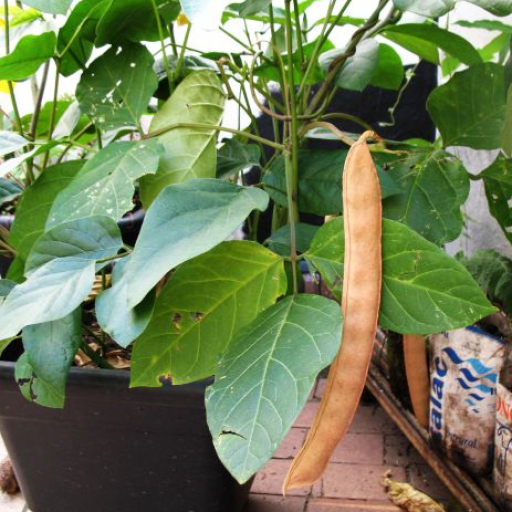
Plant Overview
Often called the Jack Bean or Sword Bean, this resilient legume is a true powerhouse of the plant world. Originating from the tropical regions of the Americas, it earned its "Jack" nickname for its rapid, almost magical growth—reminiscent of the famous beanstalk. While it is frequently used by farmers as a "green manure" to heal tired soil, its striking size and lavender-tinted blooms make it a bold, architectural addition to any tropical-themed garden.
🔍 How to Identify
- 🍃 Trifoliate Leaves: The plant features large, vibrant green leaflets grouped in threes, which are smooth to the touch and oval-shaped with prominent veining.
- 🌸 Inverted Blooms: The flowers are a delicate shade of rose, pink, or light purple; they grow in clusters on long stalks and have a unique habit of appearing "upside down" compared to other pea flowers.
- ⚔️ The "Sword" Pods: Its most defining feature is the massive, woody seed pod that can reach over a foot in length, curved slightly like a scimitar and packed with smooth, cream-colored seeds.
🏡 In Your Garden
- 🌱 Soil Architect: This plant is a "nitrogen fixer," meaning it works with soil bacteria to pull nitrogen from the air and store it in the ground, naturally fertilizing your garden for the next season.
- 🏗️ Vigorous Support: Because of its heavy pods and fast-climbing habit, it requires a very sturdy trellis or fence; it can easily overwhelm smaller, more delicate neighbors if not given its own dedicated space.
⚠️ Safety & Toxicity
- 🚫 Toxic if Raw: The seeds and pods contain concanavalin A and other potent anti-nutrients that are toxic to humans and animals if consumed raw.
- 🐾 Pet & Child Safety: While the plant is beautiful, it is not a "snack" plant. Keep curious pets and children away from the fallen beans, as ingestion can lead to severe gastrointestinal distress unless the beans undergo complex, multi-stage boiling and peeling.
✨ Fun Fact
🧪 Science Superstar: The Jack Bean holds a prestigious place in history; it was the very first plant from which an enzyme (urease) was crystallized, a breakthrough that helped scientists prove that enzymes are actually proteins!

Detailed Care Instructions
To grow Canavalia ensiformis, also known as Jack bean, you can follow these steps:
- Obtain seeds: Purchase Canavalia ensiformis seeds from a reputable seed supplier or nursery. Make sure the seeds are fresh and of good quality.
- Germination: Soak the seeds in warm water for 24 hours before sowing. This will help soften the hard seed coat and promote germination.
- Planting: Choose a sunny location with well-draining soil. Prepare the soil by removing any weeds or rocks and loosening it with a garden fork. Plant the seeds about 1 inch deep, spacing them 6-8 inches apart.
- Watering: After planting, water the seeds thoroughly and keep the soil moist but not waterlogged during the germination process. Once the plants are established, water them regularly, providing about 1 inch of water per week.
- Fertilization: Canavalia ensiformis is known for its ability to fix nitrogen in the soil through its roots. Therefore, it usually doesn't require much additional fertilization. However, if the soil is poor, you can apply a balanced organic fertilizer according to the manufacturer's instructions.
- Support: As the plants grow, they will start to vine and climb. Provide supports such as trellises, stakes, or cages to keep the plants off the ground and prevent damage.
- Pruning: If the vines become excessively long or start to spread too much, you can trim them back to maintain a more compact shape. Pruning can also help redirect the plant's energy towards flower and seed production.
- Harvesting: Canavalia ensiformis produces large pods that contain seeds. The pods are ready for harvest when they turn brown and dry. Cut the pods from the plant and allow them to fully dry in a well-ventilated area. Once dry, you can crack open the pods to collect the seeds.
- Saving seeds: Store the collected seeds in a cool, dry place in airtight containers until the next planting season.
Remember to research the specific requirements and growing conditions for Canavalia ensiformis in your area, as they may vary depending on your climate and soil conditions.

Place in a bright room that is sun drenched almost all day. Or directly in a south-facing window.

Canavalia Ensiformis plant needs regular watering to thrive, especially during the growing season. The best way to water this plant is to wait until the topsoil dries out before watering. This plant prefers well-draining soil, so make sure that the pot or container has drainage holes to prevent waterlogging.
When watering, use a watering can or pitcher to pour water at the base of the plant. Avoid getting water on the foliage as it can encourage fungal growth. Water thoroughly, but avoid overwatering, which can lead to root rot.
During the flowering and fruiting period, the plant may require more water to produce healthy and abundant fruits. Keep an eye out for signs of stress such as wilting or yellowing leaves, and adjust the watering accordingly.
In summary, for proper watering of Canavalia Ensiformis plant, wait for the topsoil to dry out before watering, water at the base of the plant, avoid getting water on the foliage, and keep an eye out for signs of stress.
To fertilize this plant, apply a balanced NPK (nitrogen, phosphorus, and potassium) fertilizer every 4-6 weeks during the growing season. Use a slow-release granular fertilizer or a water-soluble fertilizer, and follow the instructions on the package for the recommended application rate based on the size of your plant. Be sure to water the plant well after fertilization to help distribute the nutrients.
Canavalia Ensiformis plant prefers a well-draining soil that is rich in organic matter. It requires a soil pH of around 6.0 to 7.0, which makes it slightly acidic to neutral. The ideal soil type for this plant is sandy loam or loam, which provides good drainage and allows air to circulate around the roots. It also requires a soil that is well-aerated to prevent the roots from becoming waterlogged, which can cause root rot. The soil should be fertile and have a good nutrient content, particularly nitrogen. It is recommended to add organic matter, such as compost or rotted manure, to the soil before planting the Canavalia Ensiformis plant. This will improve the soil's fertility and provide essential nutrients for the plant's growth. The soil should be kept moist but not waterlogged, as the plant prefers slightly moist soil.
Canavalia Ensiformis can be propagated through several methods. One way is to collect seeds from mature plants and sow them in a pot filled with a mixture of potting soil and sand. The seeds should be covered with a thin layer of soil and kept moist.
Cuttings can also be taken from mature plants and placed in a pot filled with potting soil. Cuttings should be about 4-6 inches long and planted with the bottom end dipped in rooting hormone. The pot should be kept moist and in a warm place with indirect sunlight.
Another method of propagation is by layering. This involves bending a branch of the plant down to the soil surface and covering the section with soil. The branch will eventually develop roots and can be separated from the parent plant.
Lastly, Canavalia Ensiformis can also be propagated through division. This involves carefully separating the root system of a mature plant into smaller sections, each with its own set of leaves and roots, and planting them in a separate pot.
Common pests of the horse-bean include Spider mites, thrips, whiteflies, larvae. Make a habit of checking your horse-bean frequently for pests so that any infestations can be caught and managed early.








