Plant Overview
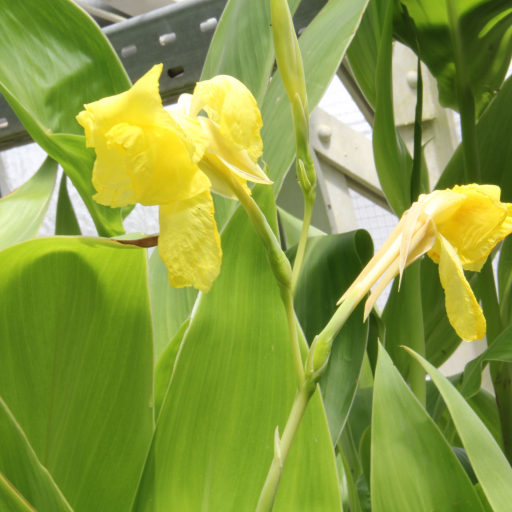
Often called the Golden Canna or the Bandana of the Everglades, this aquatic beauty is a true southern belle of the plant world. Native to the wetlands of the Southeastern United States, it is the wild ancestor of many modern garden hybrids. Unlike its stiff-petaled cousins, the Canna flaccida features delicate, orchid-like yellow blooms that seem to dance in the humid breeze of a marshland.
🔍 How to Identify
- 🌼 The Flowers: Large, canary-yellow blossoms with petals that are soft and "flaccid" (drooping). They typically bloom in the late afternoon and last only a day, attracting evening pollinators.
- 🍃 The Foliage: Long, narrow, lance-shaped leaves that are a bright, waxy green. They wrap around the stem at the base, giving the plant a lush, structural look even when not in flower.
- 🌑 The Seeds: Produces hard, round, black seeds inside a warty green capsule. These seeds are famously tough, earning the Canna family the nickname "Indian Shot."
🏡 In Your Garden
- 💧 Wetland Warrior: This plant is a "hydrophite," meaning it absolutely loves "wet feet." It is the perfect choice for the edge of a pond, a bog garden, or those low-lying spots in your yard where water tends to pool after rain.
- ☀️ Sun Seeker: While it can handle partial shade, it needs plenty of sunshine to fuel its rapid growth. Because it spreads via thick underground rhizomes, it can quickly create a beautiful, dense privacy screen or a golden border if left to its own devices.
⚠️ Safety & Toxicity
- ✅ Safe Status: Canna flaccida is generally considered non-toxic to humans, dogs, and cats.
- 🌱 Low Risk: While not poisonous, it is always best to discourage pets or children from chewing on the foliage, as the fibrous leaves can cause mild digestive upset or be a choking hazard.
✨ Fun Fact
The Canna flaccida is a romantic of the plant world—it is primarily pollinated by moths! Because its flowers open late in the day and remain open through the night, they are perfectly timed for nocturnal visitors seeking a sweet nectar reward under the moonlight.

Detailed Care Instructions
To grow Canna flaccida plants, follow these steps:
- Choose a suitable location: Canna flaccida plants thrive in full sun but can tolerate partial shade. Select a spot with well-draining soil that receives at least 6-8 hours of direct sunlight per day.
- Prepare the soil: Before planting, amend the soil with organic matter such as compost or manure to improve drainage and fertility. Canna flaccida prefers slightly acidic to neutral soil with a pH range of 6.0-7.0.
- Planting: Dig a hole that is about twice the size of the plant's root ball. Place the plant in the hole, ensuring that the crown (where the stems emerge) is level with or slightly above the soil surface. Gently backfill the hole with soil, firming it around the plant to eliminate air pockets.
- Watering: Canna flaccida plants require regular watering to keep the soil evenly moist, especially during hot and dry periods. Water deeply but infrequently, allowing the top inch of soil to dry out between waterings.
- Fertilizing: Feed the plants regularly with a balanced, slow-release fertilizer according to the package instructions. Alternatively, you can use a liquid fertilizer every two to three weeks during the growing season to promote healthy growth and blooming.
- Mulching: Apply a layer of organic mulch around the base of the plant to help conserve moisture, suppress weed growth, and regulate soil temperature.
- Pruning: Remove spent flowers to encourage continuous blooming and remove any dead or damaged foliage to maintain plant health and appearance.
- Overwintering (in colder climates): In regions with frost or freezing temperatures, dig up the rhizomes (underground stems) before the first frost. Clean off excess soil and place them in a well-ventilated, cool, and dark location to cure for a few weeks. Store the rhizomes in a dry, cool area (around 45-50°F or 7-10°C) for the winter, and replant them in spring after the danger of frost has passed.
- Pest and disease control: Canna flaccida plants are generally tolerant of pests and diseases. However, keep an eye out for common issues like slugs, snails, aphids, and fungal diseases. Promptly address any problems with appropriate treatments or organic pest control methods.
By following these steps, you should be able to successfully grow Canna flaccida plants and enjoy their beautiful yellow flowers throughout the growing season.

Place in a bright room that is sun drenched almost all day. Or directly in a south-facing window.
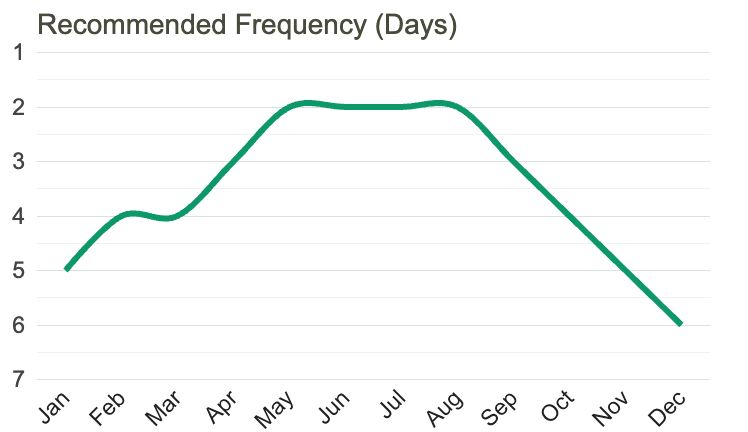
Canna Flaccida is a plant that requires adequate watering to grow and thrive in its environment. To water this plant, one should first check the soil to ensure that it is dry before pouring water. It is recommended to water the plant slowly and evenly to avoid any damage to the roots or soil erosion.
One can use a watering can or a hose with a gentle attachment to water the plant. When using a watering can, it is advisable to pour water directly onto the soil, avoiding the foliage. While watering the plant, one should ensure to saturate the soil without overwatering it, which may lead to root rot or other diseases.
This plant requires regular watering, especially during the summer months when the temperatures are higher and the soil tends to dry out quickly. It is recommended to water the plant two to three times a week, depending on the location and the soil type.
In conclusion, watering Canna Flaccida requires attention to detail and a gentle touch. By following the above mentioned steps, one can ensure the plant gets the adequate water it needs to grow and flourish.
For optimal growth and health, provide the plant with a balanced fertilizer that contains equal amounts of nitrogen, phosphorus, and potassium. Fertilize the plant every two to three weeks during the growing season, which typically begins in the spring and lasts until the fall.
Apply the fertilizer directly to the soil, being careful not to get it on the plant's foliage or roots. Water the plant thoroughly after fertilizing to help distribute the nutrients evenly throughout the soil.
Avoid over-fertilizing, as this can cause the plant to become stressed and may even lead to fertilizer burn. Always follow the manufacturer's instructions regarding how much and how often to fertilize.
Additionally, consider supplementing the plant's soil with organic matter, such as compost or aged manure, to enhance the soil's fertility and moisture retention capabilities. This will help to promote healthy root growth and overall plant health.
Canna Flaccida plant requires a well-draining soil mixture that is rich in nutrients. The soil should have a pH range of 5.5 to 7.5, and it should be loose enough to allow for proper water drainage but also able to hold moisture.
A suitable soil mixture can be made of equal parts of peat moss, perlite, and vermiculite. This will provide good drainage and aeration while also keeping the soil moist. Alternatively, a mix of topsoil, sand, and compost can also be used.
It is important to avoid using heavy soils, such as clay-based soils, as they can retain too much water and suffocate root growth. Additionally, the soil should be replenished with fertilizer regularly to ensure the Canna Flaccida plant has access to the necessary nutrients.
Overall, the most important aspect of soil selection for the Canna Flaccida plant is that it provides adequate drainage while retaining enough moisture and nutrients for healthy growth.
To propagate this plant, first select a healthy mature plant and identify a healthy rhizome. Cut the rhizome into sections, making sure each section has at least one strong bud and a portion of the root. Dust each cut with a rooting hormone and allow the cut to dry for a few hours. Plant the cuttings in a well-draining soil mix and water thoroughly. Place the pots in a warm, bright spot and keep the soil moist but not waterlogged. Within a few weeks, new growth should appear from the buds. As the plant grows, transplant into larger pots until it reaches its desired size.








