Plant Overview
Often called the "Wild Caper" or "Hedge Caper," Capparis sepiaria is a tough, scrambling shrub that acts as nature’s barbed wire. Found across the tropical regions of Africa and Asia, it is known for transforming from a tangled, thorny thicket into a cloud of delicate, feathery white blooms. It is a true survivor, often found thriving in harsh, coastal environments where other plants might wither.
🔍 How to Identify
- 🍃 Leaf Shape: Small, leathery, oval-shaped leaves that are often slightly notched or indented at the tip, giving them a subtle "cloven" look.
- ⚔️ Spiny Stems: The plant is heavily armed with sharp, recurved spines that grow in pairs at the base of the leaves, helping it "climb" over other vegetation.
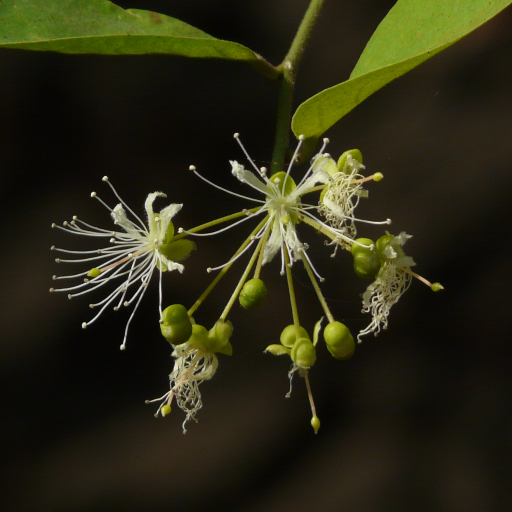
- 🌸 Feathery Flowers: The blossoms are cream-colored or white, featuring a spectacular spray of long, thin stamens that look like a tiny firework explosion.
🏡 In Your Garden
- 🧱 Living Fence: Due to its dense growth habit and sharp thorns, it is traditionally used as a "security hedge." It creates an almost impenetrable barrier that provides excellent protection for your property.
- 🏜️ Low Maintenance: This plant hates "wet feet." It is perfectly suited for xeriscaping or rock gardens because it prefers well-drained, sandy soil and requires very little supplemental watering once established.
⚠️ Safety & Toxicity
- 🩹 Physical Warning: The thorns are the primary safety concern. They are hooked and can easily snag skin or clothing, so always wear thick leather gloves when handling or pruning.
- 🐾 Pet Safety: While various parts of the plant are used in traditional medicine, the raw berries and leaves are not considered safe for domestic pets and may cause digestive distress if ingested.
✨ Fun Fact
This plant is a VIP (Very Important Plant) for the butterfly world! It serves as a primary nursery for the Common Albatross butterfly. If you see small green caterpillars munching on the leaves, leave them be—they will soon turn into beautiful white butterflies that frequent your garden.

Detailed Care Instructions
To grow Capparis Sepiaria plants, also known as Indian caper or karir, follow the steps below:
- Climate and sunlight requirements: Capparis Sepiaria plants thrive in warm climates, so ensure your location has a minimum temperature of 60°F (15°C). Provide them with full sunlight or partial shade, as long as they receive at least 4-6 hours of direct sunlight each day.
- Soil preparation: Capparis Sepiaria plants prefer well-draining soil. Prepare the soil by adding organic matter, such as compost or well-rotted manure, to improve its fertility and drainage.
- Planting: Select a suitable planting site and dig a hole slightly larger than the root ball of your Capparis Sepiaria plant. Gently remove the plant from its container and place it in the hole. Ensure the top of the root ball is level with the soil surface. Backfill the hole with soil, lightly firming it around the plant.
- Watering: Water the plant thoroughly after planting to settle the soil around the roots. It is important to keep the soil consistently moist but not waterlogged. Water deeply whenever the top inch of soil feels dry. However, avoid overwatering, as this plant prefers slightly drier conditions.
- Mulching and fertilizing: Apply a layer of organic mulch around the base of the plant to help conserve moisture and suppress weed growth. Fertilize the plant with a balanced, slow-release fertilizer in spring and again in late summer, following the package instructions.
- Pruning: Prune the plant in late winter or early spring to remove dead or damaged branches and to shape the plant. This will encourage new growth and maintain a compact shape.
- Pests and diseases: Capparis Sepiaria plants are generally resistant to pests and diseases. However, keep an eye out for common garden pests like aphids, mealybugs, or spider mites. If necessary, treat the plant with organic insecticides or insecticidal soaps.
- Harvesting: The immature fruits of Capparis Sepiaria plants are commonly used for culinary purposes. Harvest the green fruit buds before they open, as they are the most flavorful. You can also harvest the tender leaves and young shoots for culinary use.
With proper care and suitable conditions, your Capparis Sepiaria plant should grow well and provide you with attractive foliage and edible fruits.

Place in a bright room that is sun drenched almost all day. Or directly in a south-facing window.

To water this plant, you should begin by checking the soil's moisture level. Insert your finger into the soil to a depth of about an inch. If the soil feels dry, it is time to water the plant. When watering the plant, use a watering can or a hose to avoid excessive splashing or erosion. Avoid watering the leaves, as this can increase the risk of diseases. Instead, focus your watering efforts on the root zone. Water the plant slowly and deeply, so the water can penetrate the soil. After watering, allow the excess water to drain from the pot or soil. Do not overwater the plant, as this can lead to root rot or other problems. Instead, water the plant when the soil becomes dry to the touch.
To fertilize this plant, first ensure that the soil is moist. Then, apply a balanced fertilizer with equal amounts of nitrogen, phosphorus, and potassium. Apply the fertilizer around the base of the plant, being careful not to get any on the leaves or stem. Avoid over-fertilizing, as this can lead to nutrient burn and damage to the plant. Fertilize every 4-6 weeks during the growing season.
The soil that is suitable for Capparis Sepiaria plant should be well-drained, fertile and loamy. It should have a pH level of 6.0 to 7.5. The soil should also be rich in organic matter and have good water retention capacity. The plant can grow in various types of soils such as sandy, clayey, or loamy soils, but it thrives best in well-drained soil. Adding compost or well-rotted manure to the soil before planting will help improve soil fertility and water-holding ability. It is recommended to avoid using heavy clay soils for this plant, as it can cause waterlogging and root rot. A sandy soil may also be okay but will require frequent watering and fertilization. Overall, the ideal soil for Capparis Sepiaria should be well-draining, loamy, fertile, and rich in organic matter.
To propagate this plant, you will need to take stem cuttings from a mature plant. Cut a stem that is healthy and has several sets of leaves. The stem should be about 6-8 inches in length.
Remove the bottom leaves from the stem, leaving only a few sets of leaves at the top. Cut the stem at an angle to maximize the surface area for rooting.
Place the cutting in a container of well-draining soil or a mix of peat moss and perlite. Water the soil lightly and cover the container with a plastic bag to create a humid environment.
Place the container in a bright area but out of direct sunlight. Keep the soil moist but not waterlogged.
Check for rooting after a few weeks by gently tugging on the stem. If there is resistance, the cutting has rooted. Gradually remove the plastic bag and increase the amount of light the new plant receives.
Once the root system is established and the new plant has grown several sets of leaves, it can be transplanted into a larger pot or outdoor location.








