Plant Overview
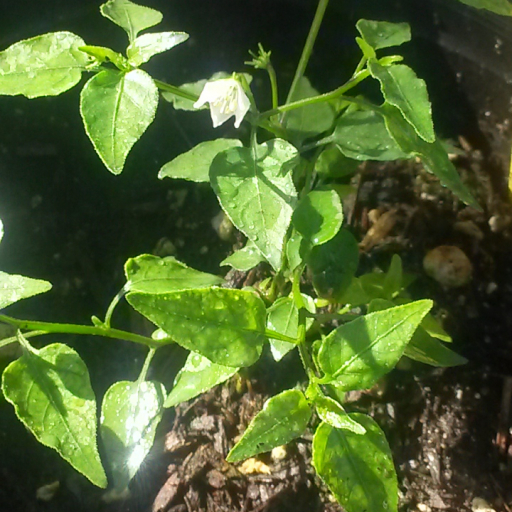
Known as the "Chaco Chili," this wild pepper hails from the harsh, arid plains of the Gran Chaco region in South America. It is a rugged survivor often considered a "bridge" species by botanists because it shares traits with many modern cultivated peppers. While it produces tiny, pea-sized fruit, don't let their size fool you—these little red gems pack a punch of heat and a smoky, wild flavor that pepper enthusiasts crave.
🔍 How to Identify
- 🌼 The Flowers: Look for small, star-shaped white flowers. Unlike common garden peppers, these often feature distinct greenish or yellowish-brown spots near the base of the petals.
- 🌶️ The Berries: The fruit is tiny, round, or slightly oval, growing upright on the branches. They transition from a pale green to a brilliant, waxy crimson when fully ripe.
- 🍃 Foliage & Form: The plant has a delicate, almost "airy" appearance compared to bulky bell peppers. It features thin, lance-shaped leaves and a multi-branched, bushy growth habit.
🏡 In Your Garden
- ☀️ Drought Warrior: Coming from a desert-like environment, this plant is exceptionally heat-tolerant. It prefers a "soak and dry" routine rather than constant moisture, making it perfect for forgetful waterers.
- 🪴 Container Friendly: Due to its compact and ornamental nature, it thrives in pots. It is a perennial in warmer climates, meaning with a little protection from frost, it will return to provide spicy harvests for several years.
⚠️ Safety & Toxicity
- 🔥 Intense Heat: While edible and delicious, these berries are surprisingly spicy. Always wear gloves when harvesting or seeding them to avoid "pepper burn" on your skin.
- 🐾 Pet & Child Safety: The bright red berries are highly attractive to curious pets and toddlers. While not "poisonous" in the traditional sense, the high capsaicin content can cause severe irritation, vomiting, and distress if ingested or rubbed into the eyes.
✨ Fun Fact
Capsicum chacoense is a classic "bird chili." In the wild, the plant developed spicy capsaicin specifically to deter mammals (whose teeth crush the seeds) while remaining completely painless to birds. Birds eat the berries whole and disperse the seeds through their droppings, acting as the plant's primary transport system!

Detailed Care Instructions
To grow Capsicum Chacoense plant, you can follow these steps:
- Obtain seeds: Purchase Capsicum Chacoense seeds from a reputable seed supplier or collect seeds from a mature plant.
- Germination: Start by germinating the seeds indoors. Fill a seed tray or small containers with seed-starting mix. Moisten the soil and sow the seeds on the surface, then lightly cover them with a thin layer of soil. Place the tray in a warm location, around 70-80°F (21-27°C), and keep the soil consistently moist.
- Transplanting: After the seedlings have developed 2-3 sets of true leaves and the risk of frost has passed, transplant them into individual pots or a sunny garden bed. Harden off the seedlings by gradually exposing them to outdoor conditions for a week or two before planting them permanently.
- Soil and sunlight requirements: Capsicum Chacoense prefers well-draining soil with a pH of 6.0-7.5. Choose a sunny spot where the plant will receive at least 6 hours of direct sunlight daily.
- Watering and fertilizing: Keep the soil consistently moist but not waterlogged. Water deeply when the top inch of soil feels dry. Fertilize the plant every 4-6 weeks with a balanced organic fertilizer to promote healthy growth.
- Pruning and staking: Depending on the desired shape and size of the plant, consider pruning the plant by pinching off the growing tips to encourage bushier growth. Stake or support the plants if necessary to prevent bending or breaking under the weight of the fruit.
- Pests and diseases: Monitor the plant regularly for pests like aphids, spider mites, or whiteflies. Treat any infestations promptly with organic pest control methods. Additionally, watch out for common pepper diseases like leaf spot or powdery mildew. If detected, treat with appropriate fungicides.
- Harvesting: Capsicum Chacoense plants typically produce small, round, spicy peppers. Harvest the peppers when they turn mature and reach their desired size, usually around 2 inches in diameter. Harvesting them regularly will encourage the plant to produce more fruit.
By following these steps and providing proper care, you can successfully grow Capsicum Chacoense plants and enjoy their unique spicy peppers.

Place in a bright room that is sun drenched almost all day. Or directly in a south-facing window.
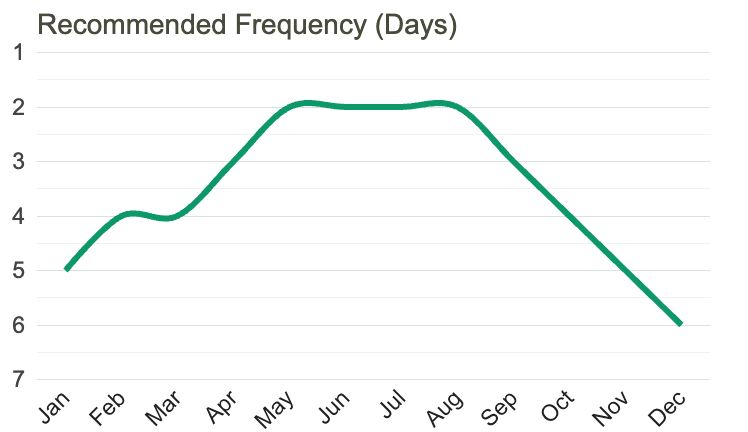
Capsicum chacoense plants require regular watering to maintain their health and promote optimal growth. Here are some details on how to water them effectively:
1. Frequency: Water the Capsicum chacoense plant regularly, aiming for a consistent moisture level in the soil. Typically, this means watering the plant every 2-3 days, but the exact frequency may vary depending on factors such as temperature, sunlight, and the plant's stage of growth.
2. Soil moisture: Before watering, check the moisture level of the soil by inserting your finger about an inch deep into the soil. If it feels dry, it's time to water the plant. However, avoid overwatering, as this can lead to root rot and other issues. The goal is to provide enough moisture for the plant without saturating the soil.
3. Watering method: Preferably, water the plants at the base rather than from above. This directs the water directly to the soil and the plant's roots, preventing fungal diseases and promoting effective water absorption. You can use a watering can or a drip irrigation system to achieve this.
4. Amount of water: Aim to give the plant a thorough watering, ensuring that the water reaches the root zone. Depending on the size of the plant, you may need to water until you see the water slightly draining from the drainage holes at the bottom of the pot or container. Avoid watering excessively or allowing the plant to sit in standing water.
5. Morning watering: It's recommended to water Capsicum chacoense plants in the morning, as this allows the excess moisture on the leaves and stems to dry out during the day. Wet foliage during the night can promote the growth of fungal diseases.
6. Adjusting watering with the seasons: During hotter months or in areas with dry climates, you may need to increase the frequency of watering to prevent the plant from drying out. Conversely, in cooler or rainy seasons, you might need to reduce the watering frequency to avoid waterlogging.
Remember that the requirements for watering may vary depending on specific environmental conditions and the individual plant's needs. Therefore, it's essential to monitor the plant's health, observe the soil moisture, and adjust your watering practices accordingly.
- Begin fertilizing your Capsicum Chacoense plant approximately 2 weeks after transplanting it into the desired location.
- Choose an organic, balanced fertilizer with equal proportions of nitrogen, phosphorus, and potassium.
- Dilute the fertilizer according to the manufacturer's instructions. Typically, a ratio of 1 tablespoon of fertilizer per 1 gallon of water is recommended.
- Apply the diluted fertilizer to the soil around the base of the plant, avoiding direct contact with the leaves or stems.
- Monitor the soil moisture level to ensure it is slightly moist before each fertilization session.
- Fertilize your Capsicum Chacoense plant every two weeks throughout the growing season, typically from spring to early autumn.
- Adjust the fertilization frequency or dosage if you notice any signs of over- or under-fertilization, such as leaf discoloration or stunted growth.
- Consider using a water-soluble fertilizer for easy absorption and consistent nutrient delivery.
- Additionally, supplement the fertilizer regime with compost or organic matter to improve soil structure and fertility.
- Lastly, remember to read and follow all instructions and safety precautions provided by the fertilizer manufacturer.
When growing the Capsicum Chacoense plant, it is essential to select a suitable soil that meets its specific needs. The ideal soil for this particular plant is typically well-draining and fertile. It should be loose, allowing air circulation and preventing waterlogging.
In terms of composition, the soil should be rich in organic matter, such as compost or aged manure, to provide essential nutrients and support healthy growth. This can be supplemented with additional organic amendments, such as coconut coir or perlite, to improve drainage and aeration.
The pH level of the soil is another crucial factor to consider. Capsicum Chacoense plants prefer slightly acidic to neutral pH levels, ideally ranging between 6.0 and 7.0. Testing the soil's pH and adjusting it if necessary can help ensure optimal growth and nutrient uptake.
Furthermore, soil fertility is important for the successful cultivation of Capsicum Chacoense. Prior to planting, it is recommended to incorporate a balanced, slow-release fertilizer into the soil, following the manufacturer's instructions. This will provide the necessary nutrients for the plant's initial establishment and sustained growth.
It is worth mentioning that the Capsicum Chacoense plant is usually considered a warmer climate plant. Therefore, if you are cultivating it in a colder region or during cooler seasons, selecting a soil mix that retains heat well can be beneficial. Adding inorganic materials like vermiculite or sand to the soil can help improve heat retention and assist in maintaining optimal soil temperature for the plant's growth.
Overall, choosing a well-drained, fertile soil enriched with organic matter and with a suitable pH level is crucial for promoting healthy growth and successful cultivation of the Capsicum Chacoense plant.
To propagate Capsicum Chacoense plants, you can follow these steps:
- Start by selecting a healthy and mature plant. Look for a well-established Capsicum Chacoense plant with no signs of diseases or pests.
- Prepare a mixture of well-draining soil. The soil should be light and porous to allow proper root development. A mixture of potting soil and perlite is generally recommended.
- Choose a suitable container with drainage holes at the bottom. Ensure the container is clean and has been sterilized to prevent the spread of diseases.
- Gently remove the plant from its current pot, being careful not to damage the roots. Shake off excess soil from the root ball.
- Divide the root ball if the plant has multiple stems or is large enough to be separated. This will allow you to create multiple new plants from a single parent plant.
- Fill the container partially with the prepared soil mixture. Make a small hole or indentation in the center to accommodate the root ball.
- Place the root ball into the hole, ensuring that the plant is positioned at the same depth as it was previously. Fill the container with the remaining soil mixture, gently compacting it around the plant.
- Water the newly potted plant thoroughly, ensuring that the water reaches the roots. Allow any excess water to drain through the drainage holes.
- Place the container in a warm and bright location, preferably with indirect sunlight. Avoid direct sunlight as it may scorch the delicate seedlings.
- Maintain consistent moisture levels in the soil. Water the plant whenever the top inch of soil feels dry, but avoid overwatering, as this can lead to root rot.
- Monitor the plant closely for signs of growth. New shoots and leaves should begin to emerge within a few weeks.
- Once the new plant has become established and has developed a strong root system, you can consider transplanting it into a larger pot or directly into the garden, if weather conditions are suitable.
Remember to handle the plants with care throughout the propagation process, as they are delicate and susceptible to damage. With proper care and attention, you can successfully propagate Capsicum Chacoense plants and expand your collection.








