Plant Overview
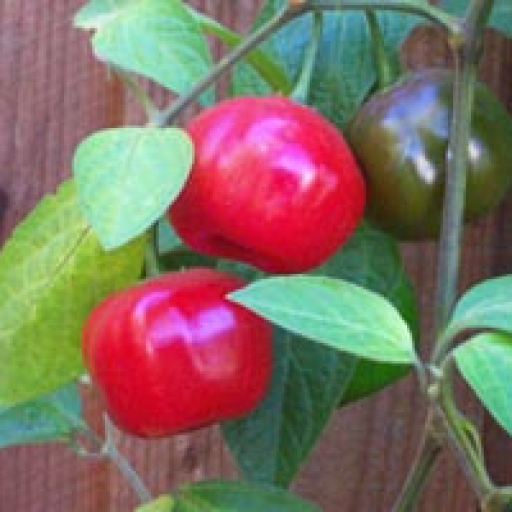
Known as the "Rocoto" or "Manzano" (Apple Chili) in its native South America, Capsicum pubescens is a true rebel of the pepper world. While most chilies crave sweltering tropical heat, this mountain-dweller thrives in the cool, thin air of the Andes. It is often called the "Tree Chili" because, unlike common garden peppers, it develops a sturdy, woody trunk and can live for over 15 years if protected from the frost.
🔍 How to Identify
- 🌿 Velvety Foliage: The species name pubescens refers to the fine, silvery hairs that cover the leaves and stems, giving the plant a soft, fuzzy appearance.
- 💜 Royal Flowers: While most peppers have white or greenish blooms, this variety produces stunning, star-shaped purple flowers with white centers.
- 🍎 Apple-like Fruit: The peppers are round or pear-shaped with very thick, juicy walls. Most famously, when you cut them open, you will find unique, jet-black seeds instead of the usual cream-colored ones.
🏡 In Your Garden
- 🏔️ The Highland Preference: This plant loves "Goldilocks" weather—warm days and notably cool nights. It often struggles to set fruit in extreme desert heat, making it an excellent choice for gardeners in temperate or coastal regions.
- 🌳 A Permanent Resident: Because of its long lifespan, think of this as a shrub rather than a seasonal vegetable. It hates having its roots disturbed, so choose a large, permanent pot or a sheltered spot in the garden where it can grow into its "tree" form.
⚠️ Safety & Toxicity
- 🌶️ Deceptive Heat: Do not let its apple-like appearance fool you! It packs a significant punch (30,000 to 100,000 Scoville units). The capsaicin is concentrated in the thick flesh, so wear gloves when slicing.
- 🐾 Nightshade Risks: Like all members of the Solanaceae family, the leaves and stems are toxic to cats, dogs, and horses if ingested. Keep the plant out of reach of curious pets who might be tempted by its fuzzy leaves.
✨ Fun Fact
- ✨ Evolutionary Loners: Capsicum pubescens is the only domesticated pepper species that is genetically isolated; it refuses to cross-pollinate with common garden peppers like Jalapeños or Habaneros, keeping its ancient Andean lineage "pure."

Detailed Care Instructions
| Lighting | Full Sun |
Here are steps to help you grow Capsicum Pubescens (locoto) plants:
- Seeds: Obtain high-quality Capsicum Pubescens seeds from a trusted source or purchase them online. If you can't find seeds, you can also purchase seedlings from a local garden center.
- Germination: Start by germinating the seeds indoors, several weeks before the last expected frost. Sow the seeds in small pots or seed trays filled with a well-draining seed-starting mix. Moisten the soil and cover the seeds lightly with a thin layer of soil. Keep the soil consistently moist but not overly wet. Place the pots or trays in a warm location with temperatures around 70-85°F (21-29°C). Germination usually takes 2-4 weeks.
- Transplanting: Once the seedlings have developed a few sets of true leaves and are approximately 3-4 inches tall, they are ready to be transplanted into larger containers or directly into the garden. Choose a sunny spot in your garden or select a large container with good drainage. If transplanting outdoors, wait until all frost has passed and the soil has warmed.
- Soil and Location: Capsicum Pubescens plants prefer well-draining soil rich in organic matter. Add compost or well-rotted manure to improve the soil's fertility. The soil pH should be slightly acidic to neutral (around 6.0-7.0). The location should receive full sun for at least 6-8 hours per day.
- Planting: Dig a hole slightly larger than the root ball of the seedling. Gently loosen the roots and place the plant in the hole, ensuring it is at the same level as it was in the original container. Backfill the hole with soil, gently firming it around the roots. Water thoroughly after planting.
- Watering and Mulching: Water the plants regularly, providing adequate moisture without saturating the soil. Capsicum Pubescens plants require consistent watering, especially during hot and dry periods. Mulching around the plants can help retain moisture, suppress weed growth, and regulate soil temperature.
- Fertilization: About a month after transplanting, fertilize the plants with a balanced, slow-release fertilizer or organic matter to promote healthy growth. Follow the package instructions for dosage rates.
- Pruning and Supporting: Capsicum Pubescens plants can grow quite large and may require staking or support to prevent the branches from breaking due to the weight of the fruit. Pruning branches to improve air circulation and remove suckers can also be beneficial.
- Harvesting: Depending on the variety, Capsicum Pubescens plants typically start producing fruit within 90-120 days after germination. The fruit can be harvested when fully mature and firm. Harvesting regularly encourages further fruit production.
Remember to monitor your plants for pests and diseases, provide adequate ventilation, and protect them from extreme weather conditions. Enjoy growing your Capsicum Pubescens plant and experimenting with its unique flavors and heat levels!

Place in a bright room that is sun drenched almost all day. Or directly in a south-facing window.
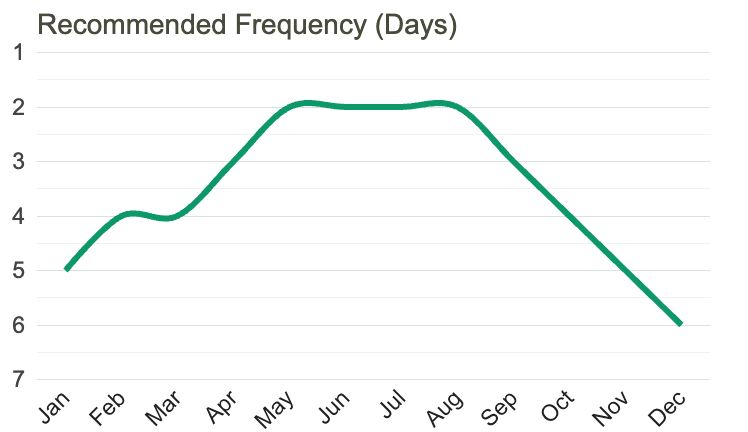
To properly water this plant, it is important to ensure that the soil remains consistently moist but not waterlogged. The amount and frequency of watering will depend on the climate, humidity, and soil type. A good way to determine when to water is to check the soil moisture level by sticking a finger about an inch into the soil. If it feels dry, it's time to water. When watering, it is recommended to use a watering can or a hose with a gentle flow, directing the water towards the base of the plant to avoid getting the leaves wet. It is best to water early in the morning or in the evening when it is cooler and the sun is not as strong to prevent the plant from getting stressed or burnt. Additionally, providing a layer of mulch around the base of the plant can help retain moisture and reduce the frequency of watering.
To fertilize this plant, use a balanced fertilizer with equal parts nitrogen, phosphorus, and potassium. It is recommended to fertilize once every two weeks during the growing season. Avoid over-fertilizing, as this can cause the plant to produce too much foliage and not enough fruit. Additionally, consider using an organic fertilizer or compost for optimal soil health. Always follow the manufacturer's instructions for application rates.
The recommended soil type for the Capsicum Pubescens plant is a well-draining loam soil. It should be fertile, rich in organic matter, and have a pH level ranging from 6.0 to 6.8. The soil should be prepared prior to planting by removing any weeds, rocks, or debris, and incorporating compost or other organic matter. It is important to ensure that the soil has good aeration and drainage to prevent waterlogging and root rot. Additionally, it is important to avoid using heavy clay soils, as it may lead to water retention and nutrient deficiency in the plant. Regular soil testing and amending as needed will help ensure that the soil is rich in nutrients and suitable for optimal growth and development of the plant.
To propagate this plant, one can collect seeds from mature fruit and store them in a cool, dry place until ready to plant. The seeds should be planted in well-draining soil and kept moist until germination occurs. Cuttings can also be taken from mature plants and rooted in water or soil. It is best to take cuttings from healthy, disease-free plants and to use a rooting hormone to increase the chance of success. The plant should be kept in a warm, humid area until new roots form, and then gradually acclimated to full sun and regular watering.
Common pests of the apple chile include Spider mites, fungus gnats, aphids, thrips, whiteflies. Make a habit of checking your apple chile frequently for pests so that any infestations can be caught and managed early.








