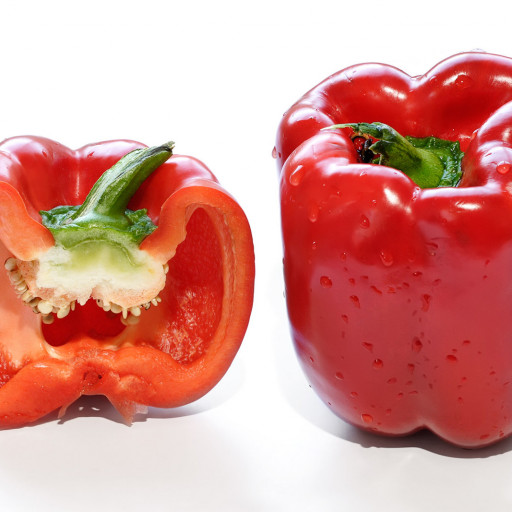
Plant Overview
Often called the "Spice of Life," the Capsicum genus includes everything from the mild-mannered Bell pepper to the tongue-scorching Habanero. Native to the tropical Americas, these vibrant plants have traveled the globe, becoming a staple in almost every culinary tradition. Whether you grow them for their ornamental pops of color or their fiery harvest, they are the undisputed kings of the summer garden.
🔍 How to Identify
- 🌿 Glossy Foliage: The leaves are typically smooth, ovate to lance-shaped, and possess a rich, deep green sheen that reflects the sun.
- 🌸 Starry Blossoms: They produce small, delicate, star-shaped flowers that are usually white or pale purple, often nodding slightly toward the ground.
- 🌶️ Waxy Fruit: The "peppers" range wildly in shape—from blocky squares to long, curved daggers—and transition from green to vibrant shades of red, orange, yellow, or even deep chocolate as they ripen.
🏡 In Your Garden
- ☀️ Sun Worshipers: These plants are tropical at heart and require a minimum of 6–8 hours of direct sunlight. They are highly sensitive to frost; even a single chilly night can stunt their growth or end their season.
- 💧 The Drainage Dance: While they love consistent moisture to produce juicy fruit, they hate "wet feet." They require well-draining soil to prevent root rot, which is their most common downfall in heavy clay gardens.
- 🪴 Container Friendly: Many Capsicum varieties have a compact, bushy habit, making them the perfect choice for balcony pots or small patio gardens.
⚠️ Safety & Toxicity
- 🌶️ Capsaicin Irritation: The chemical that gives peppers their "heat" can cause severe burning sensations in the eyes, nose, and on sensitive skin. Always wear gloves when harvesting or slicing spicy varieties.
- 🐾 Pet Safety: While the ripened fruit is technically non-toxic, the leaves, stems, and roots of the plant contain solanine. These parts are toxic to dogs, cats, and horses and can cause gastrointestinal distress if munched on.
✨ Fun Fact
Birds are biologically "immune" to the heat of chili peppers! They lack the specific receptors to feel the burn of capsaicin, which allows them to eat the seeds and spread them across vast distances through their droppings—a clever evolutionary trick for seed dispersal.

Detailed Care Instructions
| Humidity | High |
| Lighting | Full Sun |
| Difficulty | Medium |
| Hibernation | Cold Period |
| Temperature | 20°C - 25°C |
| Hardiness Zones | Max 13B |
To grow a capsicum plant, also known as bell pepper or chili pepper, you can follow these steps:
- Choose a suitable location: Find a spot in your garden or terrace that receives at least 6-8 hours of direct sunlight daily. It should be sheltered from strong winds.
- Prepare the soil: Capsicum plants prefer well-draining, fertile soil. Amend the soil by adding compost or well-rotted manure to improve its fertility and drainage.
- Sow seeds or transplant seedlings: If starting from seeds, sow them indoors about 8-10 weeks before the last frost date. Transplant the seedlings to larger pots when they have developed a few true leaves. If using store-bought seedlings, carefully plant them in the prepared soil.
- Planting: Space the plants about 18-24 inches apart to allow sufficient room for growth. Gently dig a hole slightly larger than the root ball and place the seedling into it. Fill the hole with soil and pat it gently to eliminate air pockets.
- Watering: Water the plants regularly, especially during hot and dry periods. Capsicum plants prefer consistent moisture without waterlogged conditions. Aim to keep the soil evenly moist, but avoid overwatering, as it can lead to root rot.
- Fertilizing: Use a balanced organic fertilizer, such as a general-purpose vegetable fertilizer, every 4-6 weeks during the growing season. Follow the instructions provided on the fertilizer packaging for the correct application rate.
- Mulching: Apply a layer of organic mulch, such as straw or hay, around the plants to help conserve moisture, suppress weed growth, and regulate soil temperature.
- Support: For larger varieties of capsicum plants, install stakes or cages to provide support and prevent the plants from falling over when the fruit begins to develop.
- Pest control: Monitor the plants regularly for pests like aphids, whiteflies, and caterpillars. If necessary, use organic pest control methods, such as neem oil or insecticidal soap, to protect the plants.
- Harvesting: Capsicum fruits can be harvested when they have reached the desired size and color. Most varieties turn red or yellow when fully ripe, but green varieties are also edible. Using sharp garden shears or scissors, cut the fruit from the plant, leaving a short stem attached.
Remember to pay attention to your specific geographic location and climate. Adjust the planting and care techniques according to local conditions to maximize your chances of success.

Place in a bright room that is sun drenched almost all day. Or directly in a south-facing window.

When it comes to watering this plant, it is important to keep the soil consistently moist, but not waterlogged. This can be achieved by watering deeply with a watering can or hose, allowing the water to soak into the soil. It is best to water in the morning or early evening to avoid evaporation during the heat of the day. Be careful not to get the leaves wet as this can increase the risk of disease. It is also important to avoid splashing soil onto the leaves as this can also increase the risk of disease. The frequency of watering will depend on the climate, soil type, and size of the plant. Monitoring the soil moisture level and adjusting watering accordingly is key to keep the plant healthy.
To fertilize the plant, begin by mixing compost or aged manure into the soil before planting. Once the plant has been established, apply a balanced fertilizer, such as 10-10-10, every four to six weeks during the growing season. Be sure to water the plant well before and after fertilizing to prevent nutrient burn. Avoid fertilizing late in the season, as this can prolong the plant's growth and delay the ripening of the fruit. Monitor the plant's growth and adjust fertilization accordingly.
The ideal soil for Capsicum plants should be well-draining and loose. It should be rich in organic matter and have a neutral to slightly acidic pH. A good option is to use a blend of soil, compost, and perlite or vermiculite to create a light and airy mix. The soil should also be well-aerated to promote root growth and prevent waterlogging. To avoid nutrient deficiencies, it is recommended to amend the soil with a balanced fertilizer before planting. Additionally, adding mulch around the plants can help to retain soil moisture and suppress weed growth.
There are a few different methods for propagating Capsicum plants, but one common way is by taking stem cuttings. To do this, select a healthy, mature plant and cut off a stem that is around 4-6 inches long. Remove the leaves from the bottom 1-2 inches of the stem, and then dip the cut end in rooting hormone powder. Place the stem cutting in a small pot filled with moist potting soil, and cover it with a clear plastic bag to create a humid environment. Keep the soil moist and place the pot in a warm, bright location, but out of direct sunlight. The cutting should start to grow roots within a few weeks, and once it has several healthy leaves, it can be transplanted into a larger pot or outside into a garden.







