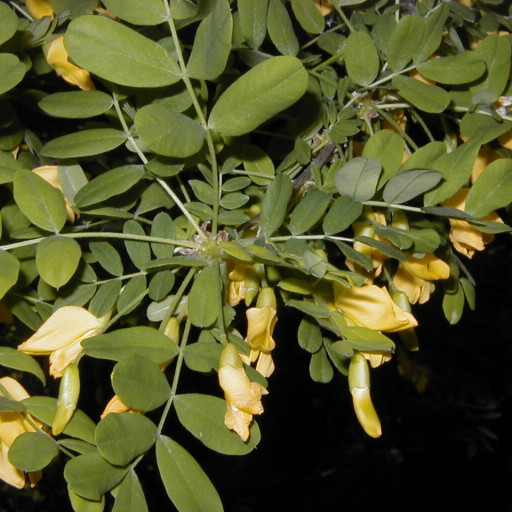
Plant Overview
Known famously as the Siberian Peashrub or the "Pea Tree," this resilient beauty is a true survivor hailing from the harsh climates of Siberia and Mongolia. It is a favorite among gardeners in northern latitudes because it thrives where other plants surrender to the frost. Beyond its toughness, it creates a stunning spring display of golden blooms that look like tiny butterflies resting on its branches.
🔍 How to Identify
- 🌿 Leaf Structure: Features delicate, bright green leaflets arranged in pairs (pinnately compound), giving the shrub a soft, fern-like texture.
- 🌼 Spring Blooms: Produces clusters of vibrant yellow, pea-shaped flowers that emerge in late spring and early summer.
- 🫛 Seed Pods: Following the flowers, small, cylindrical pods develop that turn brown and "pop" or crackle as they dry to release their seeds.
- 🪵 Bark and Thorns: The bark is smooth and olive-green when young, and you may find tiny, sharp stipules (like small thorns) at the base of the leaves.
🏡 In Your Garden
- 🌱 The Soil Builder: This plant is a "nitrogen fixer," meaning it hosts beneficial bacteria in its roots that pull nitrogen from the air and enrich the surrounding soil for other plants.
- 🌬️ Living Windbreak: Because of its dense, upright growth habit, it is frequently used to create "shelterbelts" to protect gardens from harsh winds and prevent soil erosion.
- ☀️ Sun Lover: It craves full sun and is incredibly salt-tolerant, making it an ideal choice for planting near roadsides or in coastal environments where other shrubs might struggle.
⚠️ Safety & Toxicity
- 🟢 Status: Generally considered non-toxic to humans and pets.
- 🐾 Details: While the seeds are technically edible when cooked (historically used as a food source in times of famine), they are not particularly tasty and are mostly left for the birds. Always supervise pets to ensure they don't ingest large quantities of the pods, which could cause mild stomach upset.
✨ Fun Fact
In its native regions, the tough, flexible branches of the Siberian Peashrub were traditionally woven into baskets, while the seeds were once used as a protein-rich food for poultry—giving it the nickname "Bird's Pea."

Detailed Care Instructions
To grow Caragana Arborescens, also known as Siberian pea shrub, you can follow these steps:
- Choose a suitable location: Caragana Arborescens prefers full sun to partial shade. Ensure that the planting spot has well-draining soil.
- Prepare the soil: Before planting, loosen the soil and remove any weeds. If the soil is heavy clay, consider mixing in compost or organic matter to improve drainage.
- Planting: Dig a hole that is slightly wider and deeper than the root ball of the plant. Gently place the plant in the hole and backfill with soil, firming it around the roots. Make sure not to bury the plant too deep, and leave some space around the main stem.
- Watering: After planting, thoroughly water the plant to settle the soil around the roots. Caragana Arborescens is relatively drought-tolerant, but it is essential to keep the soil moist during the establishment phase.
- Mulching: Apply a layer of organic mulch, such as wood chips or straw, around the base of the plant. Mulching helps retain moisture, suppress weeds, and insulate the roots.
- Pruning: Caragana Arborescens can be pruned in late winter or early spring to maintain its shape or remove dead or damaged branches. However, it is generally a low-maintenance plant and does not require extensive pruning.
- Fertilizing: Caragana Arborescens typically does not require regular fertilization. However, you can apply a balanced slow-release fertilizer once a year in early spring to promote healthy growth.
- Pests and diseases: Caragana Arborescens is generally resistant to pests and diseases. However, occasionally it can be attacked by aphids or spider mites. If necessary, you can use insecticidal soap or neem oil to control these pests.
- Propagation: Caragana Arborescens can be propagated by collecting and planting the seeds. Stratifying the seeds (exposing them to cold temperatures for a period) can improve germination.
- Maintainance: Once established, Caragana Arborescens is quite hardy and can tolerate various environmental conditions. Regularly monitor the plant for any signs of stress or disease, and provide appropriate care as needed.
Remember to check your local gardening recommendations for any specific considerations or advice based on your geographical location.

Place in a bright room that is sun drenched almost all day. Or directly in a south-facing window.

The plant should be watered regularly, especially during periods of dry weather. A good rule of thumb is to water deeply once or twice a week, rather than shallowly every day. Allow the soil to dry out slightly in between watering to prevent overwatering. The plant prefers well-draining soil and may suffer from root rot if the soil is too wet for extended periods of time. Water the plant at the base, avoiding the leaves and stems to prevent fungal growth. If the plant is newly planted or experiencing drought stress, it may benefit from a thorough soaking with a hose or watering can to help establish its roots.
To fertilize this plant, use a balanced or slow-release fertilizer that is high in nitrogen. Apply the fertilizer to the soil around the base of the plant in early spring before new growth begins. Water the plant thoroughly after applying the fertilizer to ensure that it reaches the roots. Avoid over-fertilizing as this can lead to excessive growth and weak branches.
Caragana arborescens, a deciduous shrub, prefers well-draining soil that is not too rich in nutrients. The soil pH should be in the slightly acidic to neutral range. Sandy or loamy soils are best suited for this plant, but it can also grow well in clay soils if they are well-drained. It does not tolerate waterlogged or overly moist soils. To improve soil drainage, you can add pea gravel or coarse sand to the planting hole. If the soil is too acidic, add lime to raise the pH level. Avoid using highly acidic or alkaline fertilizers, as they can harm the plant. Instead, use an all-purpose fertilizer in the spring to provide the necessary nutrients. Mulching around the base of the plant can help maintain soil moisture and prevent weeds.
To propagate this plant, first select a healthy and mature specimen. Take a cutting from the plant during the growing season, typically between late spring and early summer. You will want to cut from a stem that is not flowering, and the cutting should be about 4-6 inches long with a few leaves attached.
Remove the leaves from the bottom half of the stem, leaving a few at the top. Dip the cut end in rooting hormone powder, then plant the cutting singly in a container filled with a well-draining soil mix. Keep the soil moist and place the container in a bright, warm location but out of direct sunlight.
After about four to six weeks, check for root development by gently tugging on the cutting. If you feel resistance, the roots have begun to grow. Once a good root system has developed, the cutting can be transplanted to a larger pot or planted in its final location outside.
It is important to note that Caragana arborescens is a hardy plant that can grow in a variety of conditions. However, it is always best to ensure that it has a well-draining soil and adequate sunlight.
Common pests of the siberian peashrub include Spider mites, thrips, larvae. Make a habit of checking your siberian peashrub frequently for pests so that any infestations can be caught and managed early.








