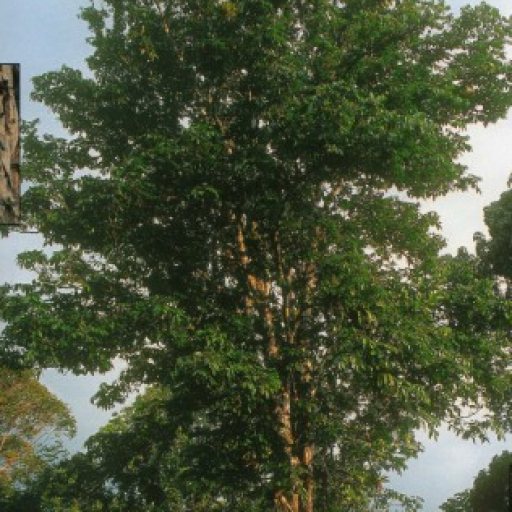
Plant Overview
Known as the "Pharmacist of the Rainforest," Carapa guianensis—commonly called Andiroba—is a towering giant native to the Amazon basin. It is legendary among indigenous communities for its incredible medicinal oil and durable, mahogany-like wood. In its natural habitat, this tree acts as a cornerstone of the ecosystem, providing both shelter and "forest medicine" to those who live beneath its massive canopy.
🔍 How to Identify
- 🍃 Leaf Structure: Features large, pinnate leaves that can reach up to two feet in length, consisting of thick, leathery leaflets arranged in pairs.
- 🥥 The Fruit: Produces distinct, woody, brown capsules that resemble a rounded, four-sided nut. When ripe, these split open to reveal oil-rich seeds.
- 🌳 The Bark: The trunk is straight and impressive, often covered in smooth, grayish bark that may flake off in large scales as the tree matures.
🏡 In Your Garden
- 💧 Water & Soil: Because it originates in the "Várzea" (floodplain) forests, this tree craves deep, silty, and consistently moist soil. It is not a plant for dry climates; it thrives where humidity is high and the ground never truly dries out.
- 🌱 Growth Habit: This is a long-term commitment. It develops a deep taproot early on, which means it hates being moved. If you are planting one, ensure it has plenty of vertical space, as it can eventually reach heights of over 100 feet in ideal conditions.
⚠️ Safety & Toxicity
- ✅ Status: Generally considered safe and non-toxic for humans and domestic animals.
- 💊 Details: While the oil extracted from the seeds is a popular topical treatment for skin inflammation and insect bites, it is exceptionally bitter. It is used more as a "medicine cabinet" plant than a food source, so keep the seeds away from curious pets who might try to chew them.
✨ Fun Fact
The oil from the Andiroba tree is so effective at repelling pests that it is often used to create natural, long-burning candles. These "Andiroba candles" are a staple in Amazonian homes to keep mosquitoes and flies at bay without using harsh chemicals!

Detailed Care Instructions
To grow Carapa guianensis, also known as Andiroba, you can follow these steps:
- Choose a suitable location: Carapa guianensis is native to the Amazon rainforest and requires warm, tropical climates to thrive. It prefers full sun or partial shade, and a well-draining soil rich in organic matter.
- Obtain seeds or seedlings: Carapa guianensis can be propagated from seeds or young seedlings. Seeds can be collected from mature fruits or purchased from a nursery or seed supplier. Seedlings can also be obtained from a reputable nursery.
- Prepare the soil: Carapa guianensis prefers fertile, well-draining soils. Amend the soil with organic matter such as compost or well-rotted manure to improve its nutrient content and drainage. Ensure the soil is loose and free from any debris.
- Plant the seeds or seedlings: If using seeds, soak them in warm water for 24 hours prior to planting to soften the hard seed coat. Plant the seeds or seedlings in the prepared soil, ensuring they are at the appropriate depth (consult the specific instructions for your plant).
- Water properly: Keep the soil consistently moist but not waterlogged. Water the plant regularly, especially during dry periods. Avoid overwatering, as it can lead to root rot.
- Mulch and fertilize: Apply a layer of organic mulch around the base of the plant to help retain moisture, suppress weeds, and provide nutrients. Additionally, you can fertilize Carapa guianensis with a balanced organic fertilizer during the growing season to enhance its growth.
- Prune if necessary: Carapa guianensis naturally grows to be a large tree, but if you are growing it in a smaller space or as a potted plant, you might need to prune it to manage its size and shape. Prune any dead or damaged branches to maintain the overall health of the plant.
- Protect from pests and diseases: Monitor the plant for any signs of pests, such as aphids or caterpillars, and take appropriate measures to control them. Also, watch for any signs of diseases, such as leaf spots or fungal infections, and treat affected areas promptly.
- Be patient: Carapa guianensis is a slow-growing plant, and it may take several years to reach maturity and start producing fruits. Be patient and provide consistent care to promote the plant's growth.
Remember to consult specific guidelines and recommendations for Carapa guianensis provided by local botanical gardens, nurseries, or horticulture experts in your region, as they can offer tailored advice for your specific location and conditions.
Carapa Guianensis is a plant that requires an appropriate watering schedule to stay healthy and grow properly. The following tips will help you water this plant effectively:
- Check the soil moisture level regularly: You can use a moisture meter or insert your finger into the soil to check the moisture level. If the soil feels dry to the touch, it’s time to water the plant.
- Water deeply: When watering the Carapa Guianensis plant, ensure that you water it deeply, so the water reaches the roots. Shallow watering can promote surface rooting, which can cause the plant to dry out quickly.
- Water when necessary: Watering schedules can vary based on factors such as the plant’s age, the season, and the temperature. Water the plant when it shows signs of needing water, such as wilting or drooping leaves.
- Avoid overwatering: Overwatering can lead to root rot, which is detrimental to the plant’s health. Allow the soil to dry out before watering it again.
- Use well-draining soil: The Carapa Guianensis plant prefers well-draining soil that doesn’t hold onto excess water. Ensure that the pot has drainage holes to help excess water escape.
- Consider the environment: If the plant is located in a dry or warm environment, it may need to be watered more frequently. Additionally, if the plant is exposed to direct sunlight, it may require more water than those in shaded areas.
Overall, regular monitoring and proper watering practices will help your Carapa Guianensis plant thrive and remain healthy.
To fertilize the plant, you should use a balanced fertilizer with a ratio of 10-10-10 or 20-20-20. The fertilizer should be applied every 2-3 months during the growing season, which is typically from spring to fall. Be sure to follow the instructions on the fertilizer packaging for proper application. Avoid over-fertilizing the plant, as this can lead to damage or even death. Additionally, it is important to water the plant regularly, especially during hot and dry weather, to ensure that the fertilizer is absorbed properly.
The recommended soil for Carapa Guianensis plant should be well-draining and rich in nutrients. It should have a slightly acidic to neutral pH level between 5.5 and 7.0. The soil should be loose and airy to allow for good water and air circulation around the roots. A mix of organic matter such as compost or peat moss combined with sandy loam or loamy soil is recommended. The soil should also be kept consistently moist but not waterlogged. It is advisable to top dress the soil with organic fertilizer every two to three months to promote healthy growth and development of the plant.
Carapa Guianensis is a plant species that can be propagated through several methods, including seed propagation and vegetative propagation.
Seed propagation involves collecting the seeds from ripe fruits and then washing them thoroughly with water. The cleaned seeds can be dried and then sown in suitable containers containing a well-draining potting mixture. The containers should be placed in a warm and humid environment, and the seeds should be kept moist but not waterlogged. Germination may occur within a few weeks, and the seedlings can be transplanted into individual pots as soon as they are large enough to handle.
Vegetative propagation can be done through several methods, including stem cuttings and grafting. Stem cuttings involve selecting healthy stems from the parent plant and then cutting them into several pieces, each containing at least one node. The cuttings should be dipped in rooting hormone and then planted in suitable containers containing a well-draining potting mixture. The containers should be placed in a warm and humid environment, and the cuttings should be misted regularly to prevent them from drying out. Once the cuttings have rooted, they can be transplanted into individual pots.
Grafting involves joining a young shoot or bud from a desired cultivar onto a rootstock of Carapa Guianensis. This method is commonly used for propagating fruit trees, but it can also be used for other plants. The rootstock should be selected from a healthy and vigorous plant, while the scion should be selected from a desirable cultivar. The two should be joined using a specialized grafting knife and then wrapped with grafting tape to hold them together. The grafted plant should be kept in a warm and humid environment until it has fully healed and started to grow.








