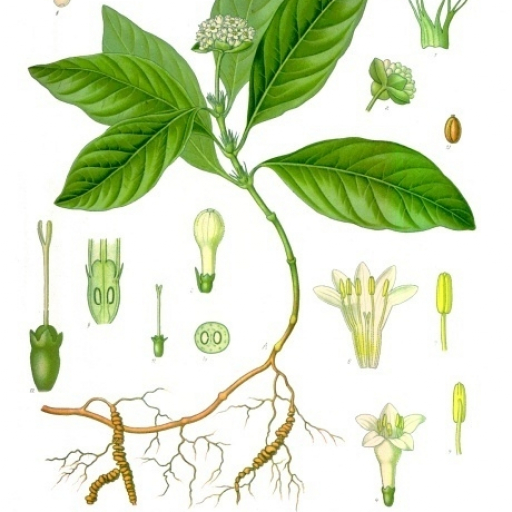
Plant Overview
Known widely as the source of the historically famous "Syrup of Ipecac," this unassuming forest dweller has played a massive role in global medical history. Native to the humid rainforests of Brazil and Central America, it was used for centuries by indigenous peoples for its potent medicinal properties before becoming a 20th-century household name. Despite its fame, it is a shy, slow-growing plant that prefers the quiet, damp shadows of the jungle floor.
🔍 How to Identify
- 🍃 Leaf Texture: Features large, oval-shaped leaves that grow in opposite pairs. They are typically a deep, velvety green with prominent veins.
- 🪷 Small Blooms: Produces tiny, white, funnel-shaped flowers that grow in dense clusters (cymes) at the tips of the stems.
- 🍒 Dark Berries: After flowering, it produces small, fleshy berries that transition from a bright red to a deep, dark purple or black when ripe.
- 🪵 Knotted Roots: The most famous feature is underground; the roots are thick, contorted, and "annulated," meaning they look like they are made of many stacked rings.
🏡 In Your Garden
- ☁️ Humidity Lover: Because it hails from the Amazon basin, this plant is not a casual houseplant. It requires exceptionally high humidity and consistent warmth to survive outside its native habitat.
- 🌑 Deep Shade Preference: In the wild, it lives under the dense canopy of giant trees. If cultivated, it must be kept away from direct sunlight, which will quickly scorch its delicate foliage.
- 🌱 Slow Development: This is a plant of patience. It grows very slowly and can take several years to establish a mature root system, which is where the plant stores its chemical energy.
⚠️ Safety & Toxicity
- 🚫 Status: Potentially Toxic / Irritant.
- 🤢 The "Vomit" Factor: The plant contains the alkaloids emetine and cephaeline. While historically used to induce vomiting in poisoning cases, modern medicine warns against its unsupervised use.
- 🐕 Pet & Child Safety: Ingesting any part of the plant—especially the roots—can cause severe gastrointestinal distress, low blood pressure, and heart palpitations. It should be kept strictly out of reach of curious pets and children.
✨ Fun Fact
In the late 1600s, the secret of Ipecacuanha was used to cure the son of King Louis XIV of France of a deadly bout of dysentery. The French government was so impressed they paid the physician a massive sum of gold to go public with the "miracle" botanical ingredient!

Detailed Care Instructions
Carapichea Ipecacuanha, also known as ipecac, is a tropical plant native to Central and South America. Here are some tips on how to grow and care for this plant:
- Climate: Carapichea Ipecacuanha thrives in warm, humid climates. It prefers temperatures between 60-80°F (15-27°C) and high humidity levels.
- Light: This plant prefers bright, indirect sunlight. Place it in a location where it receives plenty of natural light but is protected from direct sun exposure.
- Watering: Keep the soil consistently moist but not waterlogged. Water when the top inch of the soil feels dry, and make sure the pot has proper drainage to prevent waterlogging.
- Soil: Use a well-draining potting mix that is rich in organic matter. A mix of peat moss, perlite, and sand works well for Carapichea Ipecacuanha.
- Fertilization: Feed your plant with a balanced liquid fertilizer every 3-4 weeks during the growing season (spring and summer). Avoid fertilizing in the fall and winter when the plant is not actively growing.
- Repotting: Repot your Carapichea Ipecacuanha plant every 1-2 years in the spring to provide it with fresh soil and more space to grow.
- Pruning: Prune your plant as needed to maintain its shape and size. Remove any dead or yellowing leaves and trim back leggy growth to encourage new growth.
- Pests and diseases: Keep an eye out for common houseplant pests like spider mites, mealybugs, and aphids. Treat infestations promptly with insecticidal soap or neem oil. Avoid overwatering to prevent root rot and fungal issues.
By following these tips, you can successfully grow and care for your Carapichea Ipecacuanha plant. Enjoy watching it thrive and possibly even flower in the right conditions.
Carapichea Ipecacuanha plants should be watered thoroughly, allowing the soil to become evenly moist but not waterlogged. It is important to water the plant consistently, ensuring that the soil does not dry out completely between waterings. Using room temperature water is recommended to avoid shocking the plant. Additionally, it is important to avoid overwatering, as this can lead to root rot and other complications. Watering from the base of the plant rather than overhead can help prevent fungal diseases and keep the foliage dry. Monitor the plant regularly to determine its watering needs based on the moisture level of the soil and the appearance of the plant.
To fertilize the plant, use a balanced liquid fertilizer diluted to half-strength and apply it every two weeks during the growing season. Avoid over-fertilizing as it can cause root burn. Water the plant thoroughly after fertilizing to distribute the nutrients evenly. During the dormant season, reduce fertilization to once a month or stop entirely. Follow the manufacturer's instructions on the fertilizer label for specific guidance on application rates and frequency.
Carapichea Ipecacuanha plants thrive in well-draining, acidic soil that is rich in organic matter. A loamy soil mixture with good aeration is ideal for these plants, as it allows for proper root development and nutrient absorption. It is important to avoid using heavy clay soils, as they can lead to waterlogging and root rot.
Adding perlite or sand to the soil mix can also help improve drainage and prevent water stagnation around the roots. Additionally, incorporating peat moss or compost into the soil can enhance its fertility and provide essential nutrients for the plant's growth.
Regularly monitoring the moisture levels in the soil and adjusting watering practices accordingly is crucial for the health of Carapichea Ipecacuanha plants. Overwatering can lead to root rot, while underwatering can cause the plant to wilt and become stressed.
Overall, a well-balanced soil mixture that is slightly acidic and provides good drainage is essential for promoting healthy growth and development in Carapichea Ipecacuanha plants.
Carapichea ipecacuanha can be propagated through seeds or by division. To propagate this plant from seeds, start by collecting ripe seeds from the plant and sowing them in a well-draining potting mix. Keep the soil consistently moist but not waterlogged and place the pot in a warm, bright location.
To propagate through division, carefully separate a mature plant into smaller sections, making sure each division has roots attached. Plant these divisions in individual pots with well-draining soil and water them thoroughly. Place the pots in a warm, bright location and keep the soil moist until new growth begins.
It is important to note that Carapichea ipecacuanha is a slow-growing plant and may take some time to establish and grow into a mature plant. It is also important to handle this plant with care as it can be toxic if ingested.








