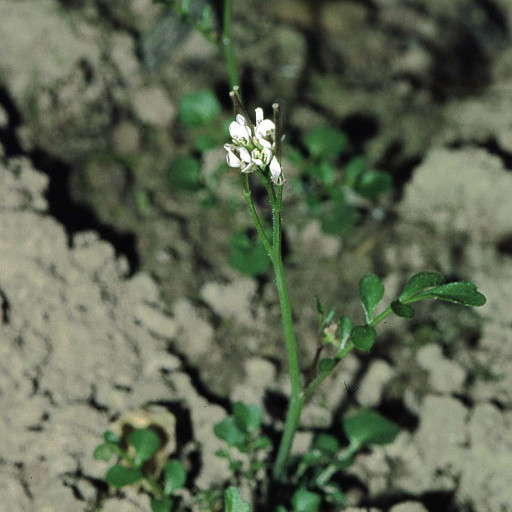
Plant Overview
Often called "Flick-weed," "Shotweed," or "Snapdragon," Cardamine hirsuta is the tiny garden guest that literally fires its seeds at you. While many gardeners view it as a persistent intruder, this hardy member of the mustard family is a master of survival and one of the first greens to emerge in late winter. It’s a scrappy, edible pioneer that thrives where other plants struggle.
🔍 How to Identify
- 🌿 Basal Rosette: It grows in a neat, flat circle of scalloped leaves that hug the ground, looking somewhat like a miniature version of watercress.
- ❄️ Tiny White Blooms: The flowers are very small, featuring four white petals arranged in a cross shape, sitting atop thin, wiry stems.
- 🚀 Explosive Seed Pods: The most iconic feature is the long, narrow seed pods (siliques) that stand vertically; when ripe, they burst open at the slightest touch, launching seeds several feet away.
🏡 In Your Garden
- 🌱 The Great Opportunist: You’ll likely find it in damp, disturbed soil, the cracks of pavements, or hitchhiking in the pots of nursery plants. It prefers cool, moist conditions and will quickly take over bare patches of earth.
- 🧤 Control Tactics: Because of its "explosive" nature, it is best to pull it out before the pods turn brown. Its shallow taproot makes it very easy to hand-weed, but once it "flicks" its seeds, the next generation is already guaranteed.
⚠️ Safety & Toxicity
- 🥗 Safe & Edible: Unlike many garden weeds, Hairy Bittercress is non-toxic and entirely edible for humans. It has a delightful, peppery bite similar to arugula or watercress.
- 🐶 Pet Friendly: It is generally considered safe for cats and dogs, though as with any wild plant, it's best to ensure it hasn't been sprayed with chemical herbicides before letting a pet (or yourself) nibble on it.
✨ Fun Fact
The "flicking" mechanism of the seed pods is a mechanical marvel called "explosive dehiscence." As the pod dries, it builds up internal tension until the walls curl back instantaneously, launching seeds at speeds of up to 10 meters per second!

Detailed Care Instructions
| Color | White |
| Soil Ph | Circumneutral (Ph 6.8-7.2) |
| Humidity | Normal |
| Invasive | Weed |
| Lighting | Part Sun |
| Toxicity | Poisonous |
| Soil Type | Well-Drained Organically Rich, Mesic To Moist |
| Bloom Time | April To May |
| Difficulty | Medium |
| Plant Type | Herbaceous Perennial |
| Hibernation | Cold Period |
| Mature Size | 12 In. |
| Native Area | Western Asia |
| Sun Exposure | Part Shade |
| Hardiness Zones | 4-8 |
To grow Cardamine hirsuta, also known as hairy bittercress, you can follow these steps:
- Obtain seeds: Purchase Cardamine hirsuta seeds from a local nursery, garden center, or online shop. Alternatively, you may collect seeds from wild plants if they are abundant in your area.
- Choose a location: Cardamine hirsuta prefers partial shade to full shade. Select a spot in your garden or a container with the appropriate light conditions.
- Prepare the soil: Ensure the soil is moist, well-draining, and rich in organic matter. Cardamine hirsuta prefers slightly acidic to neutral soil pH (around 6.0 to 7.0). Amend the soil with compost or well-rotted organic matter for better fertility and drainage.
- Sow the seeds: Scatter the seeds over the prepared soil surface and then lightly press them into the soil, ensuring good seed-to-soil contact. Space the seeds about 2 inches apart.
- Watering: Keep the soil consistently moist, but not waterlogged. Water regularly to prevent the soil from drying out. A misting sprayer or a watering can with a fine nozzle can help provide gentle irrigation without displacing the seeds.
- Germination: Cardamine hirsuta seeds usually germinate within 2-3 weeks. During this period, maintain adequate soil moisture and ensure a temperature range of 60-70°F (15-21°C). Some growers suggest placing a thin layer of mulch over the seeds to retain moisture and protect them from harsh weather conditions.
- Thinning: Once the seedlings have developed a few true leaves, thin them out to provide sufficient space for growth. Remove weaker seedlings, leaving the healthiest ones spaced approximately 4-6 inches apart.
- Care: Regularly check on the plants and water as needed. Remove any weeds that might compete for resources. However, Cardamine hirsuta is quite vigorous and can outcompete many weeds on its own.
- Harvest and propagation (optional): Cardamine hirsuta can be harvested for culinary purposes. To propagate new plants, allow some plants to go to seed and collect the seeds for future planting. This self-seeding annual tends to spread easily and can provide volunteer plants in subsequent years.
By following these steps, you can successfully grow Cardamine hirsuta in your garden or containers.

Place in a bright room that is sun drenched almost all day. Or directly in a south-facing window.

Cardamine Hirsuta is a plant that requires consistent watering to keep its soil consistently moist. It is recommended to water it once or twice a week, depending on the weather and humidity levels in the surrounding environment. When watering, you should aim to keep the soil evenly moist without waterlogging or saturating it. Avoid letting the soil dry out completely between watering sessions. You can test the moisture level of the soil by inserting a finger into the topsoil and checking for dampness. If the top inch of the soil feels dry, then it is time to water the plant. When watering, aim to soak the soil thoroughly, so the roots get enough water to sustain their growth. You can water either manually or using an irrigation system such as a drip system, depending on your preference. Finally, make sure to empty any excess water that may accumulate in the saucer or pot bottom, as standing water can lead to root rot or other fungal diseases.
To fertilize a plant of this type, it is recommended to use a balanced, slow-release fertilizer with an equal ratio of nitrogen, phosphorus, and potassium. Apply the fertilizer every 4-6 weeks during the growing season, being careful not to over-fertilize as this can cause damage to the plant. It is also important to water the plant thoroughly before and after fertilizing to prevent root burn. Additionally, adding organic matter such as compost or mulch to the soil can help improve nutrient retention and soil structure.
Cardamine Hirsuta grows best in a well-draining soil that is rich in organic matter. It prefers a slightly acidic soil with a pH level between 6.0 and 7.5. The soil should be kept moist but not waterlogged, as the plant can quickly become waterlogged and develop root rot. It can thrive in both full sun and partial shade but prefers an environment with some shade. The soil should be carefully prepared before planting, and organic matter, such as compost or aged manure, should be added to help improve soil fertility and drainage. Additionally, a well-balanced fertilizer can be applied every two to four weeks during the growing season to promote healthy growth and blooming. Therefore, a moderately fertile and well-draining soil with a slightly acidic pH is ideal for growing Cardamine Hirsuta plants.
One way to propagate this plant is through seed germination. Collect the seed pods from the mature plant and let them dry out for a few days. Once the pods have dried, gently remove the seeds and sow them in a well-draining soil mix. Keep the soil moist and place the container in a warm, well-lit area with indirect sunlight. The seeds will typically germinate within a few weeks. Once the seedlings have grown a few inches tall, they can be transplanted into their permanent location.
Another way to propagate this plant is through stem cuttings. Select a healthy stem with several leaves and cut it just below a node. Remove the bottom leaves, leaving only a few at the top. Dip the end of the stem in rooting hormone and place it in a small container filled with well-draining soil mix. Keep the soil moist and place the container in a warm, well-lit area with indirect sunlight. The cutting should root within a few weeks. Once the roots are established, the young plant can be transplanted into its permanent location.








