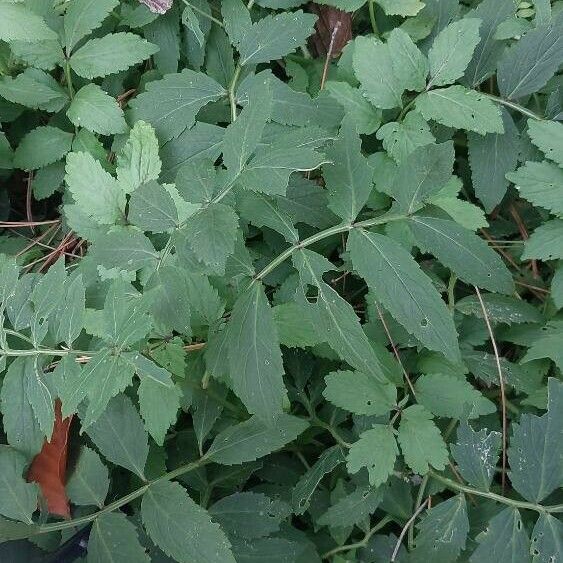
Plant Overview
Often called the Large-leaf Bittercress, this mountain-loving perennial is like a breath of fresh air for damp, shaded corners of the landscape. Hailing from the cool, high-altitude regions of Asia and the Himalayas, it brings a delicate spray of lilac flowers to marshy areas where most plants would struggle with "wet feet." It is a sophisticated cousin to the common garden cress, prized more for its ornamental grace than its spicy flavor.
🔍 How to Identify
- 🍃 Feathery Foliage: The leaves are "pinnate," meaning they are divided into several pairs of leaflets that look like green feathers. As the name macrophylla suggests, these leaves are significantly larger and more robust than other Bittercress species.
- 🌸 Cross-Shaped Blooms: The flowers feature four petals arranged in the shape of a tiny cross—a classic hallmark of the mustard family. They typically appear in clusters of pale pink, lavender, or occasionally white.
- 🌱 Creeping Habit: It grows from horizontal underground stems (rhizomes), allowing it to form a lush, low-growing carpet that can reach about 12 to 20 inches in height when in full bloom.
🏡 In Your Garden
- 💧 The Thirst is Real: This plant is an obligate moisture-lover. It thrives in "bottomland" conditions, meaning it is the perfect choice for the edge of a backyard pond, a bog garden, or that one soggy spot in the yard where the rain collector overflows.
- 🌥️ Cool Shadows: It is highly sensitive to heat and direct afternoon sun. To keep the foliage from wilting or scorching, plant it under the dappled shade of taller shrubs or trees where the soil stays consistently cool.
⚠️ Safety & Toxicity
- ✅ Generally Safe: The Large-leaf Bittercress is considered non-toxic to humans. In fact, many members of this genus are used in salads for their peppery, radish-like bite.
- 🐾 Pet Friendly: There are no known toxic effects for cats or dogs. However, because it grows in damp areas, ensure the plant hasn't been treated with chemical fertilizers or pesticides if your pets like to nibble on the greenery.
✨ Fun Fact
🐦 The Cuckoo’s Herald: While this specific species is Asian, its European cousins are famously called "Cuckooflowers." Folklore suggests they bloom exactly when the first cuckoo bird of spring begins to sing, signaling the definitive end of winter.

Detailed Care Instructions

Place in a window with dappled sun or a spot in the middle of a room. Or directly in a window facing west or east.

Some plants require more regular watering than others, which should be done every few days. It's critical to maintain the soil moist all of the time. The water requirements of the same plant placed in pots with varying sizes will differ. Because the water in the smaller pot evaporates faster than the water in the larger pot, it will require more watering. Regardless of pot size, the surface should constantly be maintained moist.







