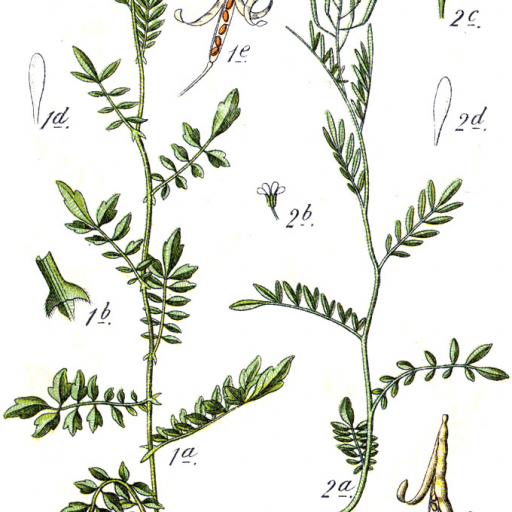
Plant Overview
Often overlooked due to its dainty size, Cardamine parviflora, commonly known as Sand Bittercress, is a hardy little pioneer of the plant world. While it might look like a fragile weed, it is a master of survival, thriving in sandy soils and rocky cracks where more "glamorous" plants would wither. It belongs to the Mustard family (Brassicaceae), sharing a peppery lineage with garden favorites like arugula and watercress.
🔍 How to Identify
- ⚪ Petite Blooms: It features clusters of tiny, four-petaled white flowers at the tip of the stem. They are so small you might need to crouch down to appreciate their perfect symmetry.
- 🌿 Lacy Foliage: The leaves are pinnately divided, meaning they look like a series of small, narrow leaflets arranged along a central stalk, giving the plant a delicate, fern-like appearance.
- 📍 Upright Pods: As the flowers fade, they are replaced by "siliques"—long, thin seed pods that point upward toward the sky like tiny green needles.
🏡 In Your Garden
- 🏜️ The Sand Lover: Unlike its cousin, the Hairy Bittercress (which loves wet garden beds), the Sand Bittercress prefers dry, well-drained, and sandy spots. It is often found in "disturbed" areas, acting as nature’s way of quickly covering bare patches of earth.
- ⏳ Short & Sweet: This is typically an annual or biennial plant. It focuses all its energy on blooming and seeding quickly before the heat of summer arrives, making it a "spring ephemeral" in many regions.
⚠️ Safety & Toxicity
- ✅ Safe Status: Cardamine parviflora is generally considered non-toxic to humans, dogs, and cats.
- 🥗 Foraging Note: While not as succulent as other cresses, the leaves are technically edible and have a mild, peppery "mustard" bite. However, because they grow in sandy or high-traffic areas, they should be thoroughly washed and checked for environmental pollutants before any taste-testing.
✨ Fun Fact
- 💥 Explosive Personality: This plant practices "ballochory," or explosive seed dispersal. When the seed pods are ripe, the slightest touch—or even a heavy raindrop—can cause the pods to coil back violently, launching seeds several feet away from the parent plant!

Detailed Care Instructions
To grow Cardamine Parviflora, also known as smallflower bittercress or little-flowered bittercress, you can follow these steps:
- Obtain seeds or seedlings: Look for Cardamine Parviflora seeds or young plants at a local nursery or purchase them online.
- Choose the right location: Cardamine Parviflora thrives in partial shade to full shade conditions. Find a location in your garden or indoor space where the plant will receive indirect or filtered sunlight.
- Prepare the soil: The plant prefers moist, well-draining soil rich in organic matter. Amend the soil with compost or organic matter to improve its fertility and drainage.
- Plant the seeds or seedlings: If using seeds, sow them directly in the garden bed or containers. Alternatively, you can start the seeds indoors and transplant them once they have grown. Space the seeds or seedlings about 6-8 inches apart.
- Water regularly: Keep the soil consistently damp but not waterlogged. Do not let the soil dry out completely, as Cardamine Parviflora prefers moist conditions.
- Mulch the soil: Apply a layer of organic mulch (such as wood chips or straw) around the plants to help retain moisture and suppress weed growth.
- Fertilize: Apply a balanced, slow-release fertilizer according to the package instructions to provide necessary nutrients for the plant's growth. Repeat the fertilization every few months during the growing season.
- Control weeds: Regularly remove weeds that might compete with Cardamine Parviflora for nutrients and water.
- Monitor pests and diseases: Inspect the plant regularly for signs of pests like aphids or diseases like powdery mildew. Treat any issues promptly with appropriate organic pest control methods.
- Harvest or deadhead flowers: Depending on your preference, you can harvest Cardamine Parviflora flowers for culinary use (leaves and flowers have a bitter taste). If you do not want the plant to self-seed and spread, deadhead the flowers before they form seeds.
Remember to research the specific needs and requirements of Cardamine Parviflora to ensure optimal growth and care.

Place in a bright room that is sun drenched almost all day. Or directly in a south-facing window.

The watering requirements for this plant depend on various factors such as the soil type, weather conditions, and the size of the plant. To ensure proper watering, here are some general guidelines to follow:
1. Check the soil moisture level: Before watering, check the soil moisture level by sticking your finger about an inch deep into the soil. If it feels dry, it’s time to water the plant.
2. Water in the morning: It’s best to water the plant in the morning when the temperature is cooler and there is less chance of moisture loss due to evaporation.
3. Water at the base: Avoid watering the leaves or flowers, instead water the base of the plant. This will help prevent fungal diseases and encourage deeper root growth.
4. Use room-temperature water: Cold water can shock the plant's roots, so it's best to use room-temperature water.
5. Watch for signs of overwatering: If the soil feels constantly wet or the plant's leaves start to turn yellow, it may be a sign of overwatering. In this case, reduce the amount of water you are giving the plant.
6. Consider the humidity level: If you live in a dry climate, you may need to water the plant more frequently to maintain its moisture level. Alternatively, if you live in a humid area, you may be able to water it less frequently.
7. Adjust watering as needed: During periods of heavy rain or drought, you may need to adjust your watering schedule accordingly.
Overall, weekly watering is usually sufficient for this plant, but it’s important to observe the plant's individual needs and adjust your watering schedule as necessary.
To promote healthy growth of this particular plant, it is recommended to fertilize it with a balanced, slow-release fertilizer during the growing season. This can be done every four to six weeks, but be careful not to over-fertilize as it can lead to burned leaves or weakened roots. It's also important to water the plant regularly and provide it with adequate sunlight to ensure proper growth.
The recommended soil for growing the Cardamine Parviflora plant is a well-draining soil mixture that is enriched with organic matter. It should have a pH range of 5.5-6.5 and be moist but not waterlogged. The ideal soil type for this plant is loamy, which should be mixed with good-quality compost or peat moss to improve its consistency. The soil must also be well-aerated and free of any debris and rocks as they could impede root growth and cause nutrient deficiency. To ensure proper drainage, mix in some sand or perlite. Overall, the soil for this plant should be nutrient-rich, well-draining, and slightly acidic.
To propagate this plant, you will need to take stem cuttings from a mature plant. Take a cutting that is at least 4 inches long, with a node (a point on the stem where leaves or buds emerge) at the bottom.
Remove any leaves from the bottom half of the stem, leaving only a few at the top. Dip the cut end of the stem in rooting hormone powder to encourage root growth.
Plant the cutting in a pot filled with moist soil and cover it loosely with a plastic bag to create a humid environment. Keep the soil moist and provide the cutting with bright indirect light.
After a few weeks, you should start to see new growth from the cutting, which means it has successfully rooted. Once the roots have developed enough, you can transplant the new plant into a larger pot or garden bed.








