Plant Overview
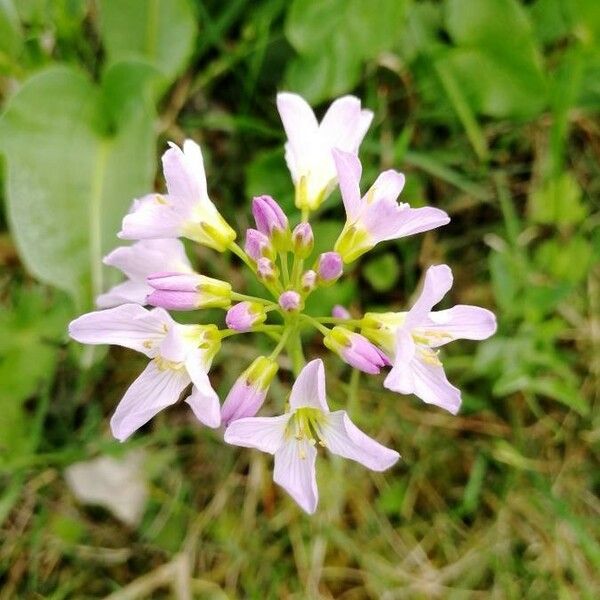
Known as the "Greater Cuckoo Flower," Cardamine raphanifolia is a high-altitude beauty that brings a splash of vibrant purple to the dampest corners of Europe’s mountain ranges. Unlike its smaller, more common cousins, this plant thrives where the ground is almost always saturated, acting as a lush, leafy sentinel along stream banks and alpine springs. Its name is a nod to its foliage, which looks remarkably like that of a common radish, earning it the nickname "Radish-leaved Bittercress."
🔍 How to Identify
- 🌸 Lilac Blooms: Features clusters of four-petaled flowers that range from pale lavender to a deep, rich violet, appearing in late spring.
- 🍃 Radish-like Leaves: The leaves are large, rounded, and pinnate, with a glossy green finish that mimics the appearance of edible radish greens.
- 💧 Sturdy Stems: Unlike the delicate, floppy stems of some meadow flowers, this species has thick, upright stems that can reach nearly two feet in height when happy.
🏡 In Your Garden
- 🌊 Wet Feet Preferred: This isn't a plant for dry borders; it is a specialist for bog gardens or the edge of a pond. It loves "wet feet" and will struggle if the soil dries out even for a short period.
- ⛅ Cool and Shady: Because it originates from mountainous regions like the Pyrenees, it prefers cool roots and dappled sunlight. In hot climates, it needs a spot that is shielded from the harsh afternoon sun to prevent its lush leaves from wilting.
⚠️ Safety & Toxicity
- 🟢 Non-Toxic Status: This plant is generally considered safe and is not known to be toxic to humans or common household pets.
- 🌿 Culinary Cousins: While it belongs to the same family as mustard and watercress, it is rarely eaten today. However, always ensure the water it grows in is clean if you are handling it near a pond, as the water itself can harbor bacteria.
✨ Fun Fact
The "Cuckoo Flower" nickname stems from an old European folk tradition: the plant was said to begin blooming exactly when the first cuckoo birds returned from their winter migration, signaling the true arrival of spring!

Detailed Care Instructions
| Humidity | Dry |
| Lighting | Shade |
| Difficulty | Easy |
| Hibernation | Cold Period |
| Hardiness Zones | 4 - 8 |
To grow Cardamine raphanifolia, also known as Greater Cuckooflower, you can follow these steps:
- Obtain seeds or starter plants: You can get Cardamine raphanifolia seeds from a nursery or online seed store. Alternatively, you can purchase starter plants from a local garden center.
- Choose the right location: Cardamine raphanifolia prefers partial shade to full shade. Select a spot in your garden that receives dappled sunlight or has filtered shade throughout the day.
- Prepare the soil: Cardamine raphanifolia prefers moist soil that is rich in organic matter. Amend your garden soil with compost or well-rotted manure to improve its fertility and drainage.
- Sow the seeds or transplant the plants: If starting from seeds, sow them directly into the prepared soil in spring or autumn. Cover the seeds lightly with soil and water gently. If using starter plants, dig a hole slightly larger than the root ball and place the plant in, making sure the top of the root ball is level with the soil surface.
- Water regularly: Keeping the soil consistently moist is important for the growth of Cardamine raphanifolia. Water the plant regularly, especially during dry periods, to ensure the soil remains evenly moist but not waterlogged.
- Mulch around the plant: Mulching around the base of Cardamine raphanifolia with organic matter, such as wood chips or leaf litter, can help retain soil moisture and suppress weed growth.
- Provide regular care: The plant doesn't require much maintenance, but removing any weeds that emerge nearby can help reduce competition for resources. Additionally, consider applying a balanced organic fertilizer once or twice a year to promote healthy growth.
- Monitor for pests and diseases: Cardamine raphanifolia is generally resistant to pests and diseases. However, keep an eye out for common garden pests like slugs and snails. If any infestation occurs, you can use organic pest control methods such as hand-picking or using natural deterrents.
- Enjoy the blooms: Cardamine raphanifolia typically flowers in spring or early summer, producing clusters of pink or white flowers. Once it starts flowering, you can enjoy its beauty in the garden.
By following these steps, you can successfully grow Cardamine raphanifolia and enjoy its lovely blooms.

Place in a window with dappled sun or a spot in the middle of a room. Or directly in a window facing west or east.

The watering needs of this plant largely depend on various factors such as the type of soil, temperature, light conditions, and humidity. It requires consistent moisture throughout the growing season but should not be overwatered. A good rule of thumb is to keep the soil moist but not waterlogged. The plant should be watered thoroughly but only when the top inch of soil feels dry. Avoid letting the soil dry out completely as this can lead to leaf drop and dehydration. It may be better to use a watering can to avoid damaging the plant. Additionally, ensure that the potting mix has adequate drainage to prevent waterlogging.
To fertilize the Cardamine Raphanifolia plant, it is recommended to use a balanced fertilizer with equal amounts of nitrogen, phosphorus, and potassium. Apply the fertilizer once every four to six weeks during the growing season, which typically runs from early spring to late fall. Be sure not to over-fertilize, as this can lead to excessive leaf growth and a weakened root system. Instead, follow the instructions on the fertilizer packaging and adjust the amount accordingly to the size of your plant. It is also recommended to water the plant thoroughly before and after fertilizing to help distribute the nutrients evenly throughout the soil.
To successfully grow Cardamine Raphanifolia plants, it is essential to choose the right type of soil. These plants thrive in a soil that provides good drainage and moisture retention. The ideal soil should have a pH level of 6.0 to 7.0, which is slightly acidic to neutral.
The soil should be loose and well-aerated, allowing sufficient oxygen to reach the roots. A blend of loamy soil, compost and sand makes an excellent soil mixture that meets these requirements.
Before planting the Cardamine Raphanifolia, ensure that the soil is well-draining by adding organic matter such as peat moss or compost. This helps improve the soil structure, making it easier for the roots to absorb essential nutrients.
It is also important to water the plant frequently, as Cardamine Raphanifolia plants prefer moist soil but do not like to be waterlogged. The soil should be checked on a regular basis to prevent it from drying out.
Overall, choosing the right soil for Cardamine Raphanifolia is crucial for the plant's health and growth. With the right growing conditions, this plant can thrive and produce beautiful blooms.
To propagate this plant, you will need to first identify a healthy stem with leaves and at least one node. Using a sterilized sharp knife or scissors, cut the stem just below the node, making sure the cut is clean and not jagged.
Prepare a pot with well-draining soil and make a hole for the stem cutting. Place the cutting in the soil, making sure the node is buried and the leaves are above the soil level. Water the soil and keep it slightly moist but not waterlogged.
To increase the chances of successful propagation, you can dip the cutting in rooting hormone before planting it in the soil. You can also cover the pot with a clear plastic bag to create a humid environment, which will help the cutting establish roots.
Place the pot in a bright spot but out of direct sunlight. Keep the soil moist and mist the leaves occasionally. After a few weeks, you should see new growth indicating that roots have formed, and the plant is taking to its new environment.
Once the new plant has grown larger and is established, you can transplant it into a larger pot or outside in the garden. Congratulations, you have successfully propagated a Cardamine Raphanifolia plant!








