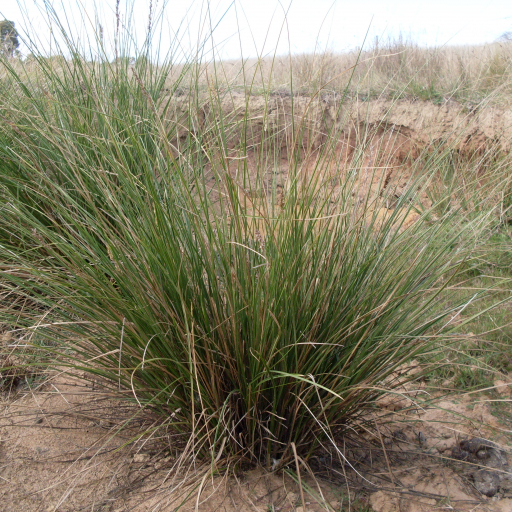
Plant Overview
Known as the Tall Sedge or Tussock Sedge, this hardy Australian native is the ultimate "problem solver" for damp gardens. Often found lining the banks of winding creeks and wetlands, it forms magnificent, fountain-like clumps that sway gracefully in the breeze. It is a favorite among landscape designers for its architectural structure and its incredible ability to prevent soil erosion.
🔍 How to Identify
- 📐 The "Edges": Like most sedges, it follows the old botanical rhyme "Sedges have edges"—if you roll the stem between your fingers, you’ll feel a distinct triangular shape.
- 🍃 Foliage Texture: The leaves are long, arching, and olive-green. Be careful, though; the margins are finely serrated and can feel quite sharp to the touch.
- 🌾 Flower Spikes: In spring and summer, it produces stiff, brownish-gold flower spikes that cluster at the ends of tall stems, eventually turning into prickly seed heads.
🏡 In Your Garden
- 💧 The Wetland Specialist: This plant loves "wet feet." It is the perfect choice for rain gardens, pond edges, or that one corner of the yard that stays soggy after a storm.
- 🛠️ Erosion Control: Because it develops a massive, dense root system, it is frequently used to stabilize banks and slopes. Once established, it is nearly indestructible and can even handle periods of moderate drought.
⚠️ Safety & Toxicity
- ✅ Status: Non-toxic and safe.
- 🧤 Physical Caution: While it won't poison your pets or children, the leaf edges are surprisingly sharp. They can cause minor "grass cuts" on sensitive skin, so it is best to wear gloves when pruning or thinning out the clumps.
✨ Fun Fact
- 🦋 A Biodiversity Hub: Carex appressa is a bustling apartment complex for nature! It provides critical habitat for frogs and is a primary food source for the larvae of several Australian butterflies, including the beautiful Dingy Sedge-skipper.

Detailed Care Instructions
To grow Carex appressa, also known as tall sedge, you can follow these steps:
- Choose a suitable location: Carex appressa prefers full sun to part shade, and it can tolerate different types of soil, including clay or sandy soil. Ensure that the location has good drainage.
- Prepare the soil: Loosen the soil and remove any weeds or grass from the planting area. You can add organic matter like compost to improve the soil fertility and drainage.
- Planting: Dig a hole twice as wide as the root ball of the plant. Place the root ball in the hole, making sure that it is planted at the same depth as it was growing before. Backfill the hole with soil and gently firm it around the base of the plant. Water thoroughly after planting.
- Watering: Carex appressa prefers moist soil, so you will need to water it regularly, especially during hot and dry periods. Keep the soil evenly moist but not saturated. Avoid overwatering, as it may lead to rotting.
- Mulching: Apply a layer of mulch around the plant to conserve moisture, suppress weed growth, and provide insulation.
- Fertilizing: Carex appressa generally does not require regular fertilization. However, you can apply a slow-release balanced fertilizer once in spring to promote healthy growth.
- Pruning: Trim any dead or damaged leaves or stems as needed throughout the growing season. Carex appressa generally does not require heavy pruning.
- Division: Over time, Carex appressa can become crowded. You can divide the clumps every three to four years in early spring or fall. Dig up the clump, separate the sections, and replant them in new locations.
- Winter protection: In colder regions, provide winter protection by applying a layer of mulch around the plant base. This will help insulate the roots and protect them from harsh freezing temperatures.
By following these steps, you should be able to successfully grow Carex appressa and enjoy its lovely foliage.

Place in a window with dappled sun or a spot in the middle of a room. Or directly in a window facing west or east.

The plant should be watered regularly, but it's important not to over-water it. The soil should be moist but never soggy, as this can lead to root rot. When watering, it's important to thoroughly saturate the soil. Water the plant slowly at the base, avoiding getting water on the leaves or stems. It's best to water the plant in the morning or late afternoon, but avoid watering in the evening as this can encourage fungal growth. If the plant is growing in a pot, make sure there are drainage holes to allow excess water to escape. During periods of high heat or drought, the plant may require more frequent watering.
Fertilize this plant with a slow-release fertilizer in early spring. Apply the fertilizer according to the package instructions and water well after application. Avoid over-fertilizing, as it can lead to burn or damage. Additionally, consider using organic fertilizers or compost to enrich the soil and promote healthy growth.
The ideal soil for the Carex Appressa plant should be a well-draining soil that is rich in organic material. It should be slightly acidic with a pH of about 6 to 6.5. The soil should also be kept moist but not overly wet, as this can lead to root rot. The plant prefers slightly sandy or loamy soil and can grow in full sun or partial shade. It is recommended to add compost or well-rotted manure to the soil prior to planting to provide additional nutrients. Additionally, mulching the soil around the plant can help retain moisture and regulate soil temperature.
To propagate this plant, you will need to carefully divide the root ball into smaller sections. This method is best done in the early spring or fall when the plant is dormant or just beginning to grow. First, dig up the entire plant and gently remove excess soil from the roots. Then, use a sharp and clean cutting tool to divide the root ball into smaller sections, ensuring that each section has enough roots and shoots to sustain itself. Transplant these smaller sections into individual pots or directly into the ground with well-draining soil and keep them moist. Allow time for the plant to establish new roots and continue to care for them as you would for a mature plant.








