Plant Overview
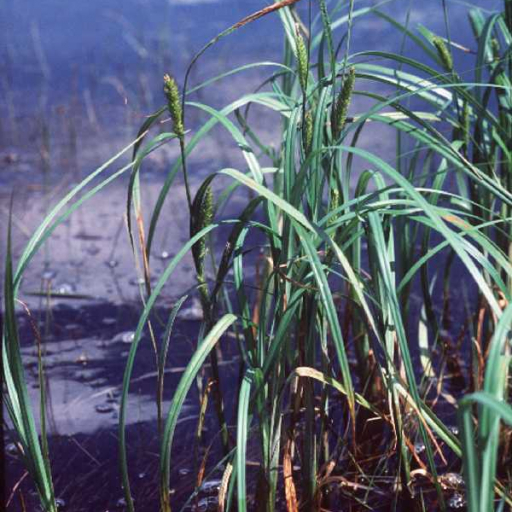
Often called the Awned Sedge or Wheat Sedge, Carex atherodes is a resilient wetland specialist that acts as a bridge between the land and the water. Found across the cooler regions of North America and Eurasia, this sedge is easily distinguished from its cousins by its slightly "fuzzy" appearance. It is a vital player in marsh ecosystems, providing a dense sanctuary for nesting waterfowl and stabilizing muddy banks with its vigorous root system.
🔍 How to Identify
- 🌾 The "Awned" Seeds: Its name comes from the long, needle-like points (awns) on the scales of its flower spikes, giving the seed heads a prickly, wheat-like look.
- 🧶 Hairy Leaf Sheaths: Unlike many smooth sedges, the lower parts of the leaves (the sheaths) are covered in fine, soft hairs—a key tell-tale sign for amateur botanists.
- 📐 Triangular Stems: True to the "sedges have edges" rule, its central stem is sharply triangular and stays sturdy even in soggy conditions.
- 📏 Impressive Stature: This is no tiny grass; it can grow quite tall, often reaching between 3 to 5 feet, creating a lush, vertical backdrop in wet areas.
🏡 In Your Garden
- 💧 The Water Lover: This plant thrives in "wet feet" conditions. It is perfect for rain gardens, the edges of koi ponds, or low spots in the yard where water tends to pool after a storm.
- 🚜 Natural Spreader: It uses long, creeping rhizomes to expand. While this makes it excellent for preventing soil erosion on slopes or banks, be mindful that it can be aggressive in small, confined garden beds.
- 🦆 Wildlife Magnet: If you are looking to attract birds, this is a top-tier choice. Ducks and other waterfowl love to eat the seeds and hide among the dense foliage.
⚠️ Safety & Toxicity
- ✅ Safe for All: Carex atherodes is generally considered non-toxic to humans, dogs, cats, and livestock.
- 🧤 Watch the Edges: While not poisonous, the leaves have a high silica content and can be quite sharp. If you are thinning out a large patch, wearing gardening gloves is a good idea to avoid "grass cuts" or skin irritation.
✨ Fun Fact
The species name atherodes is derived from the Greek word ather, meaning "ear of grain" or "chaff." This refers to how closely the flowering tops resemble a ripening field of wheat when viewed from a distance!

Detailed Care Instructions
To grow Carex atherodes, also known as slough sedge, follow these steps:
- Choose the right location: Slough sedge prefers moist to wet soil conditions, so it is best to plant it in an area with good drainage or near a water source like a pond or stream.
- Prepare the soil: Make sure the soil is moist and rich in organic matter. If the soil is compacted, loosen it up using a garden fork or tiller. Remove weeds and any debris from the planting area.
- Plant the seeds or plugs: Carex atherodes can be grown from seeds or plugs. If using seeds, sow them directly into the prepared soil in early spring or fall. Gently press them into the soil, ensuring good seed-to-soil contact but not burying them too deeply. If using plugs, dig holes slightly wider and deeper than the plugs, place the plugs in the holes, and backfill with soil.
- Water regularly: Keep the soil consistently moist until the plants are well-established. Slough sedge needs a constant supply of moisture, so water deeply and regularly during dry periods. Avoid letting the soil dry out completely.
- Mulch the area: Apply a layer of organic mulch around the plants to retain moisture, suppress weed growth, and provide insulation. Avoid mulching directly against the stems of the plants, as this can lead to rot or disease.
- Provide partial shade: Slough sedge prefers partial shade but can tolerate full sun. If you are planting it in a sunny area, watering may need to be more frequent to prevent the soil from drying out.
- Proper maintenance: Remove any weeds that may compete for resources with the slough sedge plants. Monitor for any signs of pests or diseases and address them promptly. In late winter or early spring, cut back the foliage to encourage new growth.
Remember that each plant has specific care requirements, so it is always advisable to consult regional gardening guides or local experts for more specific advice based on your location.
The Carex atherodes is a perennial herbaceous plant that belongs to the family Cyperaceae. Native to North America, this plant thrives in various types of soil, including moist and damp environments. To ensure its optimal growth and health, proper watering practices are essential. Here's a detailed guide on how to water the Carex atherodes plant:
- Watering frequency: The frequency of watering largely depends on the environmental conditions. During the plant's active growing season, which is typically spring through fall, regular watering is necessary. Aim to keep the soil consistently moist, but not overly saturated.
- Observation: Monitor the plant and its surrounding soil regularly to determine when watering is required. Check the surface and a few inches down to assess the moisture level. If the top few inches are dry, it's time to water.
- Watering technique: Use a watering can or a gentle hose attachment to provide a slow and targeted water flow. This allows the water to penetrate deeply and evenly without causing soil erosion or water runoff. Avoid using high-pressure sprays, as they may damage the delicate foliage of the Carex atherodes.
- Deep watering: When watering, aim to soak the soil deeply. This encourages the plant's roots to grow deeply, improving its overall resilience and drought tolerance. Allow the water to penetrate at least 6-8 inches into the ground.
- Avoid overwatering: While the Carex atherodes appreciates moist soil, it is crucial to avoid overwatering. Soggy or waterlogged soil can lead to root rot and other detrimental conditions. Ensure proper drainage in the planting area and avoid watering excessively.
- Mulching: Apply a layer of organic mulch around the base of the Carex atherodes plant, leaving some space around the stem to prevent rotting. Mulching helps retain soil moisture, reducing the frequency of watering. It also acts as a protective layer against temperature fluctuations and weed growth.
- Summer heat: During hot summer months, pay special attention to the water needs of the Carex atherodes. The plant may require more frequent watering than usual to combat the higher heat and evaporation rates. Monitor the soil moisture closely and adjust the watering schedule accordingly.
- Rainwater utilization: Whenever possible, utilize rainfall to water the Carex atherodes. Rainwater is naturally free of chemicals found in tap water and helps maintain the plant's ecological integrity. Collecting rainwater in barrels or utilizing a rain garden can be an eco-friendly watering solution.
Remember that every plant's water requirements may vary slightly depending on its specific location, climate, and soil conditions. It's crucial to adapt the watering practices accordingly and pay attention to the individual needs of the Carex atherodes plant to ensure its healthy growth and vitality.
To fertilize the Carex atherodes plant, follow these instructions:
- Begin fertilizing in early spring, around the beginning of the growing season.
- Choose a balanced, slow-release fertilizer with equal or near-equal amounts of nitrogen (N), phosphorus (P), and potassium (K). Look for a ratio like 10-10-10 or 14-14-14.
- Carefully read and follow the instructions on the fertilizer packaging for dosage and application guidelines. Dilute the fertilizer if needed.
- Apply the fertilizer evenly around the base of the plant, keeping it away from direct contact with the stems or leaves.
- Gently water the area after applying the fertilizer to help it soak into the soil.
- Repeat the fertilization process once every four to six weeks throughout the growing season, up until early fall.
- Avoid over-fertilizing, as this can lead to excessive growth or nutrient imbalances. Stick to the recommended dosage and frequency.
- Regularly monitor the plant for any signs of nutrient deficiencies or excesses, such as yellowing leaves or stunted growth. Adjust the fertilization schedule or switch to a different fertilizer if necessary.
- After the growing season ends in fall, discontinue fertilizing to allow the plant to enter its dormant phase.
- Resume fertilization in the following spring when the plant begins actively growing again.
Note: Remember to follow any specific instructions provided by the fertilizer manufacturer and consider the specific environmental conditions and requirements of Carex atherodes when fertilizing.
Carex atherodes is a perennial grass-like plant that belongs to the Cyperaceae family. When it comes to selecting the soil for this plant, it is important to consider its natural habitat and growing requirements.
Since Carex atherodes is commonly found in wetland and moist habitats, it thrives best in loamy or sandy soil that is consistently moist but well-draining in nature. The soil should allow water to reach the roots while preventing excessive waterlogging, as standing water can lead to root rot and other issues.
To create the ideal soil environment for Carex atherodes, it is recommended to incorporate organic matter into the soil, such as peat moss, compost, or well-rotted manure. Adding organic matter improves soil structure, moisture-holding capacity, and nutrient content. This, in turn, promotes healthy root development and overall plant growth.
The pH level of the soil for Carex atherodes should be slightly acidic to neutral, ideally ranging between 5.5 and 7.0. Conducting a soil test prior to planting can help determine the pH level and identify any necessary amendments to adjust it adequately.
It is worth noting that even though Carex atherodes prefers moist conditions, it can tolerate short periods of drought once established. However, consistent moisture is still crucial for its optimal growth and vitality. Regular watering, especially during dry periods, along with mulching the soil surface, can help retain moisture and prevent excessive evaporation.
In conclusion, Carex atherodes thrives in moist, well-draining soil with a slightly acidic to neutral pH level. Incorporating organic matter into the soil improves its moisture-holding capacity and nutrient content, supporting the plant's overall health and growth.
Propagation of Carex Atherodes plants can be achieved through various methods. Here are some details on how to propagate this plant:
- Division: This is the most common method for propagating Carex Atherodes. Start by digging up an established plant, taking care to remove the entire root system. Divide the plant into smaller sections, ensuring that each section has a good amount of roots and healthy foliage. Replant the divisions immediately in well-draining soil, keeping them well-watered until they establish.
- Seeds: Collect mature seeds from the Carex Atherodes plant. These seeds are typically small and brown. Sow the seeds in a well-prepared seed-starting tray filled with a mixture of peat moss and perlite. Lightly cover the seeds with a thin layer of the planting medium. Ensure the tray is kept consistently moist and placed in a warm, well-lit area. Germination may take several weeks. Once the seedlings have grown a few inches tall, transplant them into individual containers or into the garden.
- Stem cuttings: Take stem cuttings from a mature, healthy Carex Atherodes plant during its active growth period. Select a healthy stem and use clean, sharp scissors to cut a 3-4 inch piece just below a node (where a leaf grows). Remove any lower leaves from the cutting, leaving only a few at the top. Dip the cut end in a rooting hormone to encourage root development, then plant the cutting in a container filled with a well-draining mix of soil and perlite. Place the container in a warm, bright location and keep the soil consistently moist. After a few weeks, roots will begin to develop, indicating successful propagation.
- Offsets: Carex Atherodes plants occasionally produce offsets, which are smaller plantlets that emerge from the base of the main plant. These offsets can be carefully removed from the parent plant and replanted individually. Dig around the offset, taking care to minimize root damage, and gently separate it from the main plant. Replant the offset in a suitable growing medium, ensuring that its roots are covered and the plant is well-watered. Provide appropriate care until it establishes.
Remember to provide proper care and maintenance to the newly propagated Carex Atherodes plants, including adequate watering, sunlight, and fertilization. Regular monitoring and attention to their needs will help ensure their successful growth.








