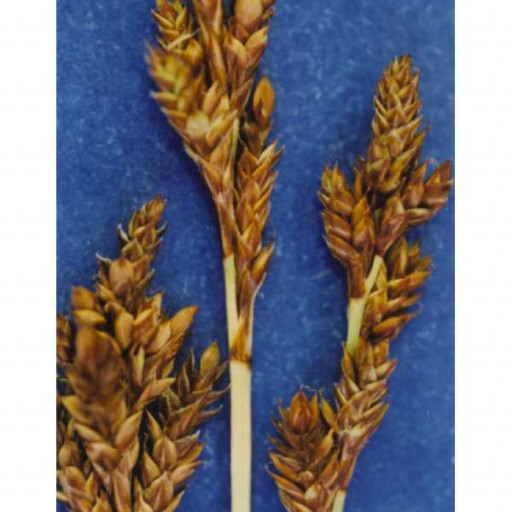
Plant Overview
Often called the Brown Sedge or Greater Brown Sedge, Carex brunnea is a textured masterpiece for the low-maintenance gardener. Originating from the damp forests and coastal regions of Asia and Australia, it forms lush, arching mounds that look like frozen green fireworks. While it mimics the look of ornamental grass, it belongs to the sedge family, offering a unique architectural structure that stays vibrant even when the seasons begin to shift.
🔍 How to Identify
- 🌿 The Foliage: It features exceptionally narrow, thread-like leaves that gracefully arch downward, creating a soft, fountain-like silhouette.
- 🎨 The Palette: The leaves are typically a rich emerald green, but many garden varieties (like 'Jenneke') boast striking yellow-gold margins that give the plant a glowing appearance.
- 🏗️ The Stem: True to the "Sedges have edges" rule, the base of the flowering stems is distinctly triangular if felt between the fingers, unlike the round stems of true grasses.
🏡 In Your Garden
- 💧 Thirsty Roots: Unlike many ornamental grasses that thrive in dry, rocky soil, this sedge craves consistent moisture. It is an excellent choice for "damp feet" areas, such as near a pond’s edge or in a rain garden.
- 🌥️ Versatile Lighting: While it can handle full sun in cooler climates, it truly thrives in dappled shade. It is a go-to solution for adding texture to dark corners where traditional sun-loving grasses would struggle and thin out.
⚠️ Safety & Toxicity
- 🐾 Pet Safe: Carex brunnea is generally considered non-toxic to cats, dogs, and horses, making it a "worry-free" addition to a family landscape.
- ✂️ Mechanical Irritation: While not chemically toxic, the leaf edges can be slightly sharp or "saw-toothed." Curious pets who enjoy chewing on greens might experience minor mouth irritation from the rough texture.
✨ Fun Fact
Gardeners use a famous botanical rhyme to tell plants like this apart: "Sedges have edges, rushes are round, and grasses are hollow right up from the ground." If you roll the stem of a Carex between your fingers, you will clearly feel the three distinct "edges" of its triangular shape!

Detailed Care Instructions
To successfully grow a Carex brunnea plant, also known as brown sedge, you can follow these steps:
- Choose the right location: Carex brunnea prefers partial shade to full shade, although it can tolerate some morning sun. Ensure it is planted in well-draining soil that is rich in organic matter.
- Prepare the soil: Before planting, amend the soil with compost or organic matter to improve its fertility and drainage.
- Planting: Dig a hole slightly larger than the root ball of the Carex brunnea plant. Place the plant in the hole, ensuring that the top of the root ball is level with the ground. Fill the hole with soil, gently firming it around the roots. Water the plant thoroughly.
- Watering: Keep the soil consistently moist but avoid waterlogging. Regularly water the plant during dry spells, especially when it is becoming established or during hot summers.
- Mulching: Apply a layer of organic mulch around the plant to conserve moisture, suppress weeds, and improve the soil quality. Ensure the mulch does not touch the plant's stem.
- Fertilizing: While Carex brunnea doesn't require frequent fertilization, you can apply a slow-release, balanced fertilizer once or twice a year. Follow the instructions on the fertilizer packaging for application rates.
- Pruning: Prune away any dead or damaged foliage to maintain a neat appearance. In early spring, cut back all the old growth to make way for the new growth.
- Propagation: You can propagate Carex brunnea by division. Dig up the plant in early spring or fall, carefully separate the clumps, and replant them individually. Water thoroughly after transplanting.
- Pests and diseases: Carex brunnea is generally resistant to pests and diseases. However, keep an eye out for slugs and snails, and take necessary measures to control them if needed.
- Winter care: Carex brunnea is winter hardy in USDA zones 5-9. In colder regions, apply a layer of mulch around the plant to protect its roots during winter.
By following these guidelines, you should be able to successfully grow Carex brunnea and enjoy its attractive grass-like foliage in your garden.

Place in a window with dappled sun or a spot in the middle of a room. Or directly in a window facing west or east.

To water the plant, ensure that the soil is moist but not waterlogged. Check the soil regularly and water when it begins to feel dry to the touch. When watering, pour water slowly onto the soil around the plant, taking care not to splash the foliage. Avoid getting water on the leaves, as this can encourage fungal diseases. Water early in the morning or late in the day to reduce evaporation and prevent water from sitting on the foliage for an extended period. Additionally, consider using a watering can or hose with a gentle spray nozzle to distribute water evenly and avoid overwatering.
To fertilize this plant, it is recommended to use a balanced fertilizer with equal amounts of nitrogen, phosphorus, and potassium. Avoid over-fertilizing as it can harm the plant. Apply the fertilizer in the early spring before new growth begins and again in late summer or early fall. Water the plant thoroughly before and after fertilizing to ensure the nutrients reach the roots.
Carex Brunnea is a type of plant that requires a specific type of soil to thrive in. The ideal soil for this plant is a well-draining soil that is rich in organic matter. It should be a loamy soil that is not too compact and allows for proper aeration. The pH range of the soil should be between 5.5 and 6.5. If the soil is too alkaline or too acidic, the plant's growth may be stunted or the leaves may turn yellow. It's best to avoid soils that are heavy and clay-like since they don't allow for proper drainage and can hold too much water, causing root rot. In addition, the soil should be moist but not waterlogged. The addition of compost, peat moss, or other organic materials can help to improve the soil quality and provide the necessary nutrients for the plant's growth.
To propagate this plant, you can start by dividing an established clump of the plant. This can be done by carefully digging up the clump and using a sharp knife to separate the roots and rhizomes into smaller sections. Each division should have at least one healthy shoot and a good root system.
Alternatively, you can propagate Carex Brunnea from seed. Collect the ripe seed heads in late summer or early fall and store them in a cool, dry place. In early spring, sow the seeds in a tray of seed compost and cover them lightly with a layer of vermiculite. Keep the tray in a bright, airy spot out of direct sunlight and water regularly to keep the compost moist.
Once the seedlings have developed true leaves and are large enough to handle, transplant them into individual pots. Keep them in a sheltered spot and gradually acclimate them to outdoor conditions before planting them in their permanent location in the garden.
Common pests of the greater brown sedge include Thrips. Make a habit of checking your greater brown sedge frequently for pests so that any infestations can be caught and managed early.








