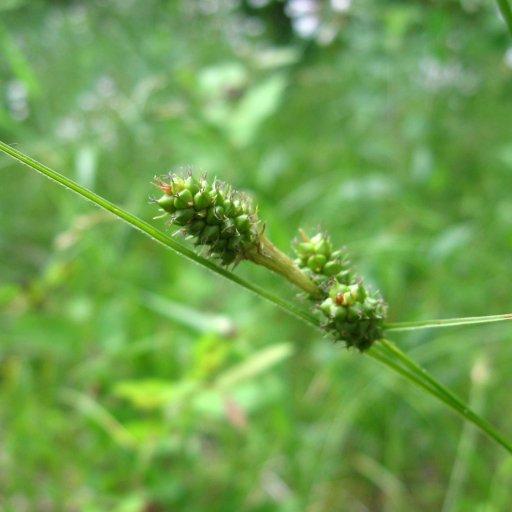
Plant Overview
Bush's Sedge, scientifically known as Carex bushii, is a resilient North American native that often flies under the radar compared to its showier prairie neighbors. Named after the prolific botanist Benjamin Franklin Bush, this clumping perennial acts as a soft, textured anchor in meadows and open woodlands. It is a quiet hero of the ecosystem, providing subtle beauty and essential habitat for local wildlife without demanding the spotlight.
🔍 How to Identify
- 🌿 Fuzzy Foliage: Unlike many of its smooth-leaved cousins, the leaf sheaths and blades of Bush's Sedge are covered in fine, soft hairs (pubescence), giving it a velvety feel and a slightly matte appearance.
- 🌾 Triangular Stems: True to the sedge family, the stems are distinctly three-sided or "edged," which you can feel easily by rolling a stem between your thumb and forefinger.
- 🟢 Spiky Seed Heads: In late spring, look for 2 to 3 cylindrical, lime-green fruiting spikes clustered at the top of the stalk, which turn a warm tan color as they mature in the summer.
🏡 In Your Garden
- 💪 Clay Tolerance: This sedge is a problem-solver for gardeners struggling with heavy soil; it thrives in tough clay conditions and can handle both dry spells and temporary "wet feet" after a heavy rain.
- 🦋 Wildlife Magnet: It serves as a vital larval host plant for several species of butterflies, including the Appalachian Brown and various Skippers, making it a must-have for a functional pollinator garden.
- 🌱 Low Maintenance: Because it grows in tidy, non-aggressive clumps rather than spreading via underground runners, it won't take over your flower beds like some ornamental grasses might.
⚠️ Safety & Toxicity
- ✅ Non-Toxic: Carex bushii is generally considered safe and non-toxic for humans, dogs, and cats.
- 🧤 Physical Irritant: While not chemically dangerous, the edges of the blades can be quite sharp and the fine hairs may irritate sensitive skin. It is always a good idea to wear gardening gloves when pruning or dividing the clumps.
✨ Fun Fact
Botanists have a famous mnemonic rhyme to help identify these plants in the wild: "Sedges have edges, rushes are round, and grasses are hollow right down to the ground." The "edges" of Bush's Sedge refer to its unique triangular stem shape!

Detailed Care Instructions
To grow Carex Bushii, also known as Bush's Sedge, follow these steps:
- Choose the right location: Carex Bushii prefers full to partial shade and moist, well-draining soil. It typically grows naturally in forests, wet meadows, or along stream banks. Ensure the chosen location mimics these conditions as closely as possible.
- Prepare the soil: Loosen the soil and remove any weeds or debris from the planting area. Add organic matter, like compost, to improve soil fertility and drainage.
- Planting: Dig a hole slightly larger than the rootball of the Carex Bushii plant. Place the plant in the hole, ensuring that the top of the rootball is level with or slightly above the soil surface. Backfill the hole with soil and gently firm it around the plant.
- Watering: After planting, water the Carex Bushii thoroughly to settle the soil and help establish its roots. Ensure the plant receives enough water to keep the soil consistently moist but not waterlogged. However, be careful not to overwater, as this can lead to rot.
- Mulching: Apply a layer of organic mulch, such as wood chips or bark, around the base of the plant (while avoiding direct contact with the stem). This helps retain moisture, suppresses weeds, and provides insulation for the roots.
- Maintenance: Carex Bushii is a low-maintenance plant, but it may require some care to thrive. Keep the soil consistently moist, especially during dry periods. Although it can tolerate some drought once established, dry soil may cause it to go dormant. Remove any weeds that compete for resources with the plant.
- Propagation: Carex Bushii can be propagated through division. Every few years, dig up the plant while it's dormant, separate the clumps into smaller sections, and replant them. Spring or fall is the best time to do this.
By following these steps and providing the optimal growing conditions, you can successfully grow Carex Bushii.

Place in a bright room that is sun drenched almost all day. Or directly in a south-facing window.

Carex bushii is a type of plant that requires regular watering to thrive. Here's a step-by-step guide on how to water this plant:
1. Evaluate the soil: Before watering, assess the moisture level of the soil around the plant. Carex bushii prefers consistently moist soil, but it should not be waterlogged or overly saturated.
2. Frequency of watering: Generally, water Carex bushii deeply and thoroughly once per week during the growing season. However, it's crucial to adjust the watering frequency based on the environmental conditions, such as temperature and humidity.
3. Watering technique: Avoid watering the plant from above, as it may encourage the foliage to rot. Instead, water Carex bushii at the base, close to the soil level. One effective method is to use a drip irrigation system or a soaker hose that provides a slow and steady flow of water directly to the roots.
4. Water quantity: Water the plant until the soil is moist to the touch, but not excessively wet or saturated. It's important to strike a balance and prevent the soil from drying out completely between watering sessions.
5. Seasonal adjustments: Carex bushii may require more frequent watering during hot and dry periods, especially when the plant is still establishing its roots. In contrast, during cooler months or when dormant, you may need to reduce watering frequency to prevent waterlogged soil.
6. Mulching: Applying a layer of organic mulch around the base of the plant can help retain soil moisture and reduce water evaporation. This can be particularly beneficial for Carex bushii, as it prefers consistently moist conditions.
7. Monitoring signs of overwatering and underwatering: Keep a close eye on the plant's leaves and overall appearance. Wilted or yellowing leaves can indicate overwatering, while dry, brittle leaves may signify underwatering. Adjust the watering regimen accordingly to maintain healthy and vibrant foliage.
Remember, each plant may have specific watering requirements, so it's always best to consider the individual needs of the Carex bushii plant and adapt your watering routine accordingly.
- Select a well-draining soil mix: Carex Bushii prefers soil that retains moisture but also drains well. Choose a high-quality potting mix or organic soil blend.
- Prepare the planting site: If planting outdoors, ensure that the soil is free of weeds, rocks, and other debris. Loosen the soil to a depth of about 8 inches (20 cm) to promote root growth.
- Choose a suitable location: Carex Bushii grows best in partial shade to full shade. Find a spot in your garden or a shady area if planting in a container.
- Planting: Dig a hole slightly larger than the root ball of the plant. Place the Carex Bushii gently into the hole, ensuring that the top of the root ball is level with the surrounding soil. Backfill the hole with soil and firm it gently to eliminate air pockets.
- Watering: After planting, water the Carex Bushii thoroughly to settle the soil. Regular watering is crucial to keep the plant hydrated. Water deeply and consistently, but allow the soil to dry out slightly between waterings to prevent root rot.
- Mulching: Apply a layer of organic mulch around the base of the plant, leaving a small gap around the stem to prevent moisture-related diseases. Mulching helps retain soil moisture and suppresses weed growth.
- Fertilizing: Apply a slow-release balanced fertilizer in spring, following the manufacturer's instructions for application rates. Avoid over-fertilizing, as excessive nutrients can harm the plant. Additionally, you can use a liquid fertilizer diluted to half strength every four to six weeks during the growing season.
- Pruning: Trim damaged or dead foliage periodically to maintain the plant's appearance and health. Use clean gardening shears to remove any unwanted or unsightly leaves or stems.
- Winter care: If you reside in a region with frost or freezing temperatures, provide protection during winter months. Apply a layer of mulch around the plant's base to insulate the roots and reduce cold damage.
- Monitoring: Regularly inspect the Carex Bushii for signs of pests, such as aphids or spider mites, and promptly address any issues with appropriate treatments. Pay attention to any changes in leaf color or texture, as it might indicate nutrient deficiencies or other problems.
Remember to consult local gardening resources or horticulturists for specific care recommendations based on your region and climate.
Carex Bushii, a type of plant native to North America, belongs to the Carex genus and requires specific soil conditions for optimal growth and survival.
To cater to the specific needs of Carex Bushii, it is recommended to use a well-draining soil. The soil should have a balanced texture, which means it should not be extremely sandy or clayey. A loamy soil with good drainage properties is ideal.
The pH level of the soil is an important factor to consider. Carex Bushii typically thrives best in slightly acidic to neutral soil, with a pH range of around 5.5 to 7.5. It is crucial to ensure that the pH of the soil is within this range to promote healthy growth.
In terms of organic matter, Carex Bushii appreciates soil that is rich in organic content. Adding compost or well-rotted organic matter to the soil can significantly improve its nutrient content, moisture retention, and overall fertility. This helps the plant access essential nutrients and provides a favorable environment for root development.
Proper soil moisture is vital for the successful growth of Carex Bushii. It is essential to strike a balance as this species prefers evenly moist soil without being waterlogged. Overly saturated soil can cause root rot and other water-related issues, leading to plant decline. Conversely, a completely dry soil can stress and potentially harm the plant. It is crucial to monitor the soil moisture levels regularly and adjust watering accordingly.
In summary, to ensure optimal growth and health for Carex Bushii, use a well-draining, loamy soil with a slightly acidic to neutral pH. Incorporating organic matter into the soil is recommended, as it enhances its nutrient content and moisture-holding capacity. Additionally, maintaining proper soil moisture levels is vital for the overall well-being of the plant.
- First, identify a healthy and mature Carex Bushii plant from which to take cuttings. Look for a plant that has vigorous growth and no signs of disease or pest infestation.
- Prepare a clean and sharp pair of pruning shears or scissors to take the cuttings. Sterilize the blades using rubbing alcohol or a bleach solution to prevent the spread of any potential pathogens.
- Choose a suitable stem for cutting. Look for a stem that is firm, yet still flexible enough to bend without breaking easily, usually at least 6 inches long. Avoid using stems that are already flowering or have begun to wilt.
- Make a clean, angled cut just below a node or joint on the stem. Nodes are the points on the stem where leaves grow out from. It is important to make a clean cut to ensure proper healing and growth of the cutting.
- Remove any leaves along the lower half of the stem, leaving only a few at the top intact. This reduces transpiration and directs the cutting's energy towards root development rather than maintaining foliage.
- Prepare a propagating medium suitable for rooting the cuttings. Use a well-draining mix such as a combination of perlite and peat moss, or a commercial seed-starting mix. Moisten the propagating medium slightly to provide the ideal environment for root growth.
- Create a small hole or trench in the propagating medium using a pencil or your finger. The hole should be deep enough to accommodate the cutting up to its lowest set of leaves.
- Dip the cut end of the Carex Bushii cutting into a rooting hormone powder or gel. This optional step may enhance rooting success by providing hormones that stimulate root development.
- Carefully place the cutting into the pre-made hole in the propagating medium, ensuring that at least one or two nodes are buried beneath the surface. Gently firm the medium around the stem to hold it in place.
- Repeat the process for additional cuttings, leaving sufficient space between the cuttings to allow for air circulation and growth.
- Place the propagating tray or container in a warm and brightly lit location, but avoid placing it in direct sunlight, as this can cause excessive drying or overheating. Maintain a temperature around 70-75°F (21-24°C) for optimal rooting.
- Mist the cuttings regularly with water to keep the propagating medium slightly moist without becoming waterlogged. Ensure good air circulation to prevent the growth of mold or fungus.
- After several weeks, gently tug on the cuttings to check for resistance, indicating the development of roots. Once roots have formed, usually in 4-6 weeks, carefully transplant the rooted Carex Bushii cuttings into individual pots filled with a well-draining potting mix.
- Continue to provide appropriate care for the propagated plants, including regular watering, suitable light conditions, and a well-balanced fertilizer as needed.
By following these steps, you can successfully propagate Carex Bushii plants from cuttings and expand your garden or share this beautiful plant with others.








