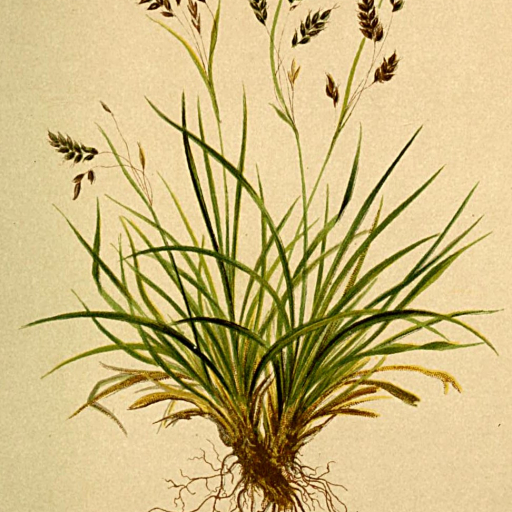
Plant Overview
Known affectionately as the Hair-like Sedge, this delicate perennial looks more like a fine mist of green than a traditional garden grass. Often found clinging to misty rocky ledges or tucked into moist alpine meadows, it is prized by enthusiasts for its graceful, drooping habit. In the wild, it acts as a tiny sentinel of clean, lime-rich environments, dancing with the slightest breeze.
🔍 How to Identify
- 🌾 The Stems: Extremely thin and wire-like (hence the name capillaris), usually standing between 4 to 12 inches tall, giving the plant a fragile, airy appearance.
- 💧 Drooping Spikes: The most distinctive feature is the "nodding" seed heads. They hang downward from long, thread-like stalks, resembling tiny green lanterns or heavy teardrops.
- 🌱 Tufted Habit: It grows in neat, tight clumps rather than spreading aggressively. Its leaves are narrow, flat, and a soft, pale green.
🏡 In Your Garden
- 🪨 The Lime Lover: This sedge is a "calciphile," meaning it thrives in lime-rich or alkaline conditions. If you have a rock garden with limestone accents, this plant will feel right at home.
- ❄️ Cool & Damp: As a native of northern and alpine regions, it hates the sweltering heat. It prefers its "feet" to stay consistently moist, mimicking the natural seepage areas and shorelines where it grows in the wild.
⚠️ Safety & Toxicity
- ✅ Non-Toxic: Carex capillaris is generally considered safe and non-toxic for humans, cats, and dogs.
- ✂️ Soft but Sturdy: While many sedges have notoriously sharp, "saw-like" edges, the Hair-like Sedge is relatively soft. However, it is always a good idea to handle ornamental grasses with care to avoid minor skin irritation.
✨ Fun Fact
The species name capillaris comes from the Latin word for "hair." This refers to the impossibly thin stalks that support the flowers—they are so fine that the plant appears to be floating when viewed from a distance!

Detailed Care Instructions
To grow Carex capillaris (also known as hair sedge or tufted sedge), follow these steps:
- Select a suitable location: Carex capillaris prefers partial shade to full sun, so choose a spot in your garden that receives a few hours of direct sunlight each day. The soil should be well-draining and slightly acidic.
- Prepare the soil: Loosen the soil using a garden fork or tiller. Remove any rocks, weeds, or debris. Add organic matter such as compost or well-rotted manure to improve soil fertility and drainage.
- Planting: Carex capillaris can be grown from seeds or divisions. If using seeds, sow them directly in the prepared soil, lightly covering them with a thin layer of soil. If using divisions, carefully separate small clumps from an established plant and replant them in the desired location. Space them about 12 inches apart to allow for their spreading nature.
- Watering: Keep the soil evenly moist until the plants are established. Water them regularly, especially during hot and dry periods. This species prefers moist soil, but avoid overwatering to prevent root rot.
- Mulching: Apply a layer of organic mulch around the plants to help retain moisture, suppress weed growth, and maintain a more consistent soil temperature.
- Fertilizing: Carex capillaris generally doesn't require frequent fertilization. However, you can apply a slow-release, balanced fertilizer in spring or early summer to provide nutrients for healthy growth.
- Maintenance: Remove any yellow or dead foliage periodically to maintain the plant's appearance. Carex capillaris is a clumping grass, so it may need dividing every few years to prevent overcrowding.
- Winter care: In regions with harsh winters, apply a layer of mulch or straw over the plants in late fall to protect them from freezing temperatures. Once spring arrives, remove the mulch.
With proper care and maintenance, your Carex capillaris plant should grow and thrive in your garden, providing a beautiful ornamental grass display.

Place in a bright room that is sun drenched almost all day. Or directly in a south-facing window.

To properly water this plant, you should first understand its watering needs. This plant prefers to be kept consistently moist, but not water-logged. It is important to avoid letting the soil dry out completely, as this can cause the plant to become stressed and potentially die.
To water this plant, first thoroughly soak the soil. This can be done either by watering from above or by placing the pot in a tray of water until the soil becomes moist. After soaking, allow the plant to drain completely and empty any excess water from the tray.
Check the soil regularly and water as needed to ensure it remains consistently moist. In hot or dry weather, the plant may need to be watered more frequently. However, it is important to avoid overwatering, as this can also cause problems for the plant.
It is also a good idea to provide good drainage for the plant by using a well-draining soil mix and ensuring there are adequate drainage holes in the pot. Additionally, this plant may benefit from occasional misting to increase humidity around the leaves.
To fertilize the plant, use a balanced fertilizer with equal parts nitrogen, phosphorus, and potassium. Apply the fertilizer to the soil around the plant, taking care not to get it on the leaves. Water the plant well after fertilizing, making sure to saturate the soil to allow the nutrients to penetrate. Fertilize the plant every two to three months during the growing season, stopping fertilization in the fall.
The ideal soil composition for the Carex Capillaris plant is a well-draining, fertile soil that is slightly acidic to neutral in pH. The soil should be slightly moist, but not waterlogged, as this plant prefers a consistently moist environment. It is recommended to mix high-quality potting soil with perlite or sand to ensure good drainage. Additionally, adding organic matter to the soil can help improve its structure and nutrient content. Avoid soils that are heavy or clay-like, as they can retain too much water and suffocate the roots of the plant. It is important to monitor soil moisture levels regularly and avoid letting the soil completely dry out or become too saturated.
Propagation of this plant can be done through division. First, select a mature plant with a healthy root system. Carefully dig up the plant and gently separate the clumps into smaller sections using a sharp knife or gardening tool. Each section should have healthy roots and at least one shoot or stem. Plant the new sections in moist, well-drained soil and keep them well-watered until roots are established. It is best to propagate this plant in the spring or fall, as it will have enough time to acclimate to its new environment before experiencing extreme temperatures.








