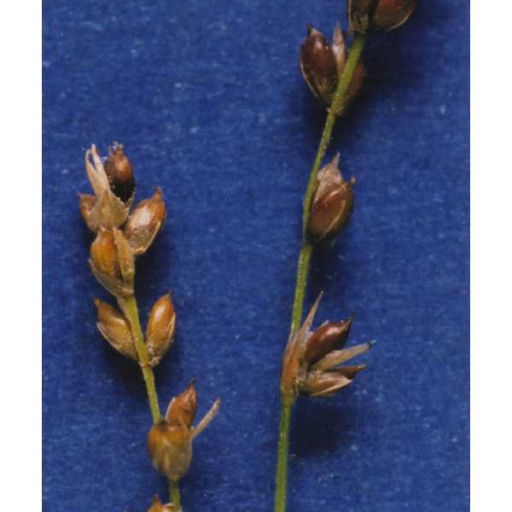
Plant Overview
Often called the Softleaf Sedge or Two-seeded Sedge, this delicate plant acts like a soft, emerald carpet for the forest floor. Found tucked away in damp, shaded wetlands across North America and Eurasia, it is prized by nature lovers for its fine, hair-like texture that ripples gracefully in the breeze. Unlike its more aggressive marsh cousins, Carex disperma is a subtle beauty that prefers a quiet, mossy life in the shadows.
🔍 How to Identify
- 🍃 The Foliage: Look for very narrow, thread-thin leaves that create a soft, fountain-like appearance. The color is usually a bright, refreshing green.
- 📐 The Stem: True to the sedge family, it has a triangular stem ("Sedges have edges"), though in this species, the stem is so slender and weak that it often leans or sprawls across the ground.
- 🌰 The "Two Seeds": The name disperma refers to its unique fruiting habit; look closely at the tiny flower spikes, which typically produce only one or two small, plump, beaked seeds (perigynia) per cluster.
🏡 In Your Garden
- 💧 Moisture Specialist: This is a "hydrophytic" plant, meaning it thrives in damp, boggy spots. It is an excellent choice for a rain garden or the edge of a backyard pond where the soil stays consistently moist.
- 🌲 Deep Shade Groundcover: It mimics the cool forest understory. It is one of the few plants that will happily grow in deep shade where traditional turf grasses fail to thrive.
- 🧤 Low Maintenance: Once established in the right mucky soil, it requires almost no attention. It doesn't need mowing and naturally suppresses smaller weeds by forming dense, soft mats.
⚠️ Safety & Toxicity
- ✅ Non-Toxic: Carex disperma is generally considered safe and non-toxic for humans, cats, dogs, and horses.
- 🌾 Skin Sensitivity: While not poisonous, the leaves contain tiny amounts of silica. If you have very sensitive skin, handling large amounts of sedge might cause very mild, itchy abrasions—similar to a "grass burn."
✨ Fun Fact
Botanists use a famous rhyme to identify this family: "Sedges have edges, rushes are round, and grasses have joints all the way to the ground." If you roll the stem of Carex disperma between your fingers, you’ll feel those distinct three "edges" that prove it’s a true sedge!

Detailed Care Instructions
Carex Disperma, also known as soft sheathed sedge, is a low-growing perennial grass-like plant that is native to North America. Here are some tips on how to grow Carex Disperma:
- Location: Carex Disperma prefers moist, well-draining soil and partial to full shade. It can also tolerate dry conditions once established.
- Planting: Plant Carex Disperma in spring or fall. Dig a hole slightly larger than the root ball and place the plant in the hole. Fill in with soil and water thoroughly.
- Watering: Keep the soil consistently moist, especially during the first growing season. Once established, Carex Disperma can tolerate short periods of drought.
- Fertilizing: Carex Disperma does not typically require fertilization. If desired, you can use a general-purpose fertilizer in early spring.
- Pruning: Carex Disperma does not require regular pruning, but you can trim back any dead or damaged foliage in late winter or early spring.
- Mulching: Mulch around the base of the plant to help retain moisture and suppress weeds.
- Divide: Every few years, divide Carex Disperma to rejuvenate the plant and control its spread. Dig up the plant and separate the clumps, then replant in desired locations.
By following these tips, you can successfully grow Carex Disperma in your garden or landscape.

Place in a window with dappled sun or a spot in the middle of a room. Or directly in a window facing west or east.

Carex Disperma plants should be watered consistently to maintain soil moisture levels. It is important to water the plant at the base to avoid getting the foliage wet, as this can lead to rot and disease. Water the plant deeply, allowing the water to penetrate the root zone, but be sure to allow the soil to dry out slightly between waterings to prevent overwatering. Typically, Carex Disperma plants require watering once or twice a week, depending on environmental conditions such as temperature and humidity. Monitor the soil moisture regularly by sticking your finger into the soil to check for dryness before watering. Adjust your watering schedule as needed to ensure the plant remains healthy and hydrated.
To fertilize Carex Disperma, use a balanced, all-purpose fertilizer in early spring before new growth appears. Follow the instructions on the fertilizer packaging for the correct dilution ratio and application method. Water the plant thoroughly after fertilizing to help the nutrients penetrate the soil and reach the roots. Repeat this fertilizing process once a month during the growing season to support healthy growth and development. Avoid over-fertilizing as this can lead to nutrient imbalances and potentially harm the plant.
Carex Disperma plants thrive in well-draining soil that is high in organic matter. A mix of peat moss, perlite, and compost or aged manure is recommended for optimal growth. This type of soil provides a balance of moisture retention and aeration, which is essential for the healthy development of Carex Disperma plants. It is important to avoid heavy, compacted soils that can lead to waterlogged conditions and root rot. Additionally, adding a layer of mulch around the base of the plant can help retain moisture and suppress weeds. Overall, providing the right type of soil is crucial for the successful cultivation of Carex Disperma plants.
To propagate Carex Disperma plant, you can start by dividing the plant's clumps in early spring or early fall. Begin by digging up the entire plant carefully, making sure to preserve as many roots as possible. Use a sharp knife or shovel to carefully divide the clumps into smaller sections, ensuring that each division has a good amount of roots attached.
Replant the divisions in a well-draining soil mix and water thoroughly to help them establish. Keep the newly propagated plants consistently moist, but not soggy, and provide them with filtered sunlight or partial shade to prevent stress.
Regularly monitor the newly propagated plants for signs of stress or dehydration, and continue to provide them with the appropriate care and maintenance to help them establish successfully. With patience and proper care, your Carex Disperma plant should grow and thrive in its new location.








