Plant Overview
Known as the Forest Sedge or by its Māori name, Purei, this New Zealand native is often described as the "elegant elder" of the sedge family. It is a favorite among landscapers for its graceful, weeping habit and its ability to transform a damp, dark corner into a lush, woodland sanctuary. Whether tucked beside a pond or used as a textured groundcover, it brings a sense of wild, rhythmic movement to any space.
🔍 How to Identify
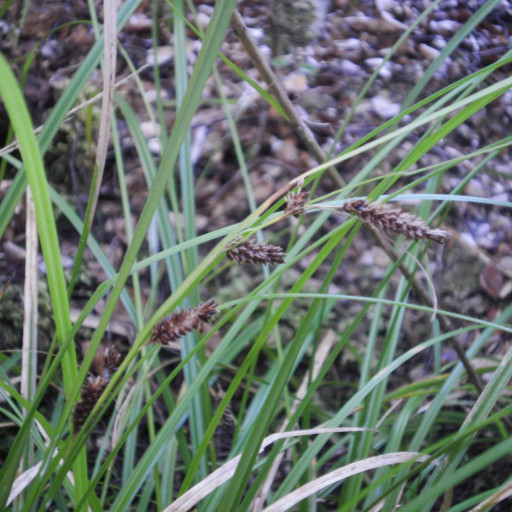
- 🍃 The Foliage: Features arching, grass-like leaves that are typically a deep, vibrant green, though they can take on yellowish hues if exposed to more sun.
- 🌾 Pendulous Spikes: Look for the distinctive flower and seed heads; they are dark brown, almost black, and hang gracefully from long, slender stalks like tiny tassels.
- ⛲ Clumping Habit: It grows in a tidy, fountain-shaped tussock, typically reaching about 50–80cm in height, making it look like a green explosion from the earth.
🏡 In Your Garden
- 💧 The Moisture Expert: This plant is a "thirst-quencher." It naturally thrives in forest margins and wetlands, making it the perfect choice for rain gardens or those stubborn low spots in your yard that stay soggy after a storm.
- 🌥️ Shade Resilience: Unlike many ornamental grasses that demand full sun, the Forest Sedge is a shade specialist. It uses its broad, flat leaves to soak up limited light, allowing it to flourish under the canopy of larger trees where other plants might wither.
⚠️ Safety & Toxicity
- 🟢 Pet & Human Safe: Carex dissita is non-toxic and generally safe to have around curious dogs, cats, and children.
- ✂️ Physical Caution: While not poisonous, the leaf edges are finely serrated. To avoid "grass cuts" (similar to paper cuts), it is best to wear gloves when pruning or dividing the clumps.
✨ Fun Fact
In its native New Zealand, Carex dissita is considered a "restoration superstar." Because of its dense root system and love for water, it is frequently used by ecologists to prevent soil erosion along stream banks and to provide a sheltered habitat for native lizards and frogs!

Detailed Care Instructions

Place in a window with dappled sun or a spot in the middle of a room. Or directly in a window facing west or east.

To properly water this plant, it is important to understand its specific moisture requirements. Carex Dissita needs to be kept consistently moist throughout the growing season, but it should not be allowed to sit in standing water or become waterlogged. The soil should be well-draining and should not dry out completely between waterings.
When watering, it is best to use room temperature, filtered water to help prevent shock to the plant. Water deeply, making sure to saturate the entire root zone but avoiding getting water on the foliage. Allow any excess water to drain away.
It is important to monitor the soil moisture level regularly, especially during hot and dry weather, to ensure that the plant is not becoming too dry or too wet. Adjust watering frequency as needed to maintain consistent moisture levels.
Overall, careful attention to watering will help ensure that Carex Dissita thrives and remains healthy.
The best type of soil for the Carex Dissita plant is well-draining soil that is rich in organic matter. It should have a slightly acidic to neutral pH level, ideally between 5.5 to 7.0. The soil should be able to retain moisture, but not be waterlogged or overly wet. It is recommended to mix in compost or other organic material to improve the soil’s structure and fertility. It is also important to avoid using soil that is too sandy or heavy in clay, as they can both cause waterlogging issues that can harm the plant's roots.







