Plant Overview
Meet the "mountain meadow champion." Hood’s Sedge is a resilient, clumping beauty native to the rugged terrains and high elevations of Western North America. Often mistaken for common grass, this "tough-as-nails" perennial is a top choice for gardeners looking to recreate a wild, alpine aesthetic or a low-maintenance meadow.
🔍 How to Identify
- 🌿 Growth Habit: It forms very dense, tight tufts (known as tussocks) that stay in neat mounds rather than creeping across the lawn.
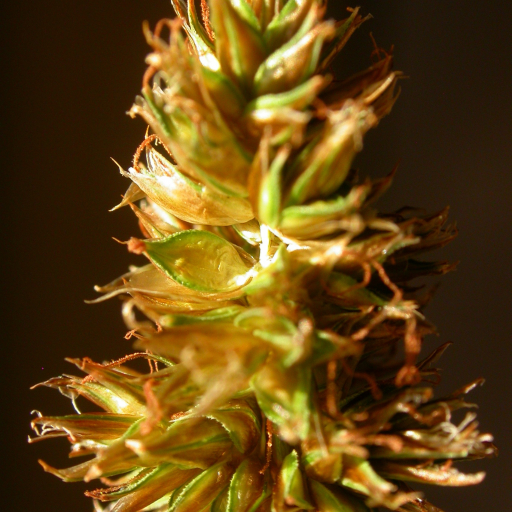
- 🌾 The "Hoods": In late spring, it produces brownish, star-shaped flower clusters at the tips of its stems. These dense spikes look like tiny, pointed hoods bunched together.
- 📐 Triangular Stems: If you feel the base of the stem, you’ll notice it has three distinct sides. As the saying goes, "Sedges have edges!"
🏡 In Your Garden
- ⛰️ Erosion Expert: Because it develops a deep, tenacious root system, it is a superstar for stabilizing soil on slopes or banks where other plants might wash away.
- ☀️ Sun Versatility: Unlike many forest sedges that crave deep shade, Hood’s Sedge thrives in full sun to partial shade, making it a flexible "filler" for those awkward transitional spots in your yard.
- 🍂 Low Maintenance: It is semi-evergreen in milder climates. You don't need to mow it; simply comb through the clump in early spring to remove dead blades and keep it looking fresh.
⚠️ Safety & Toxicity
- 🐾 Safe for Pets: Hood’s Sedge is non-toxic to dogs, cats, and horses, making it a worry-free addition to a pet-friendly landscape.
- ✂️ Physical Irritation: While not chemically toxic, the leaf edges can be quite coarse. If you are handling large quantities or dividing the plant, wear gloves to avoid "grass cuts" or skin irritation.
✨ Fun Fact
Botanists use a famous rhyme to identify plants like this: "Sedges have edges, rushes are round, and grasses are hollow right down to the ground." If you roll a Hood’s Sedge stem between your fingers, you’ll feel those famous "edges" immediately!

Detailed Care Instructions
To grow Carex hoodii, also known as Hood's Sedge, you can follow these steps:
- Choose the right location: Carex hoodii prefers full sun to partial shade and moist, well-draining soil. Ideally, the soil should be slightly acidic to neutral (pH 5.5-7.5).
- Prepare the soil: Amend the soil with organic matter, such as compost or peat moss, to improve drainage and fertility. Remove any weeds or grass from the planting area and loosen the soil with a garden fork or tiller.
- Planting: Carex hoodii can be propagated from seeds, division, or plugs. If using seeds, sow them in early spring by sprinkling them over the prepared soil and lightly pressing them into the surface. If using division, carefully divide an existing plant and replant the divisions, ensuring each division has some roots attached. If using plugs, purchase them from a reputable nursery and plant them at the recommended depth.
- Watering: Keep the soil consistently moist but not waterlogged. Water thoroughly after planting and continue regular watering during dry periods, especially in the first year of growth.
- Mulching: Apply a layer of mulch around the plants to help retain moisture, suppress weed growth, and insulate the soil.
- Pruning: Trim off any damaged or dead foliage to maintain a neat appearance. Carex hoodii does not require heavy pruning.
- Fertilizing: Apply a slow-release, balanced fertilizer in spring to provide nutrients to the plants. Follow the manufacturer's instructions for proper dosage.
- Maintenance: Regularly check for pests and diseases, such as slugs or fungal infections, and take appropriate measures to control them. Also, remove any weeds that might compete with Carex hoodii for resources.
By following these steps, you should be able to successfully grow Carex hoodii in your garden or landscape.

Place in a bright room that is sun drenched almost all day. Or directly in a south-facing window.

To adequately water the Carex Hoodii plant, also known by its scientific name, it is important to adhere to a few specific instructions. First, ensure that the plant is placed in a well-draining pot or soil mixture. This will prevent water from sitting stagnant around the plant's roots, which can lead to root rot and other water-related issues.
When watering the Carex Hoodii plant, make sure to adjust the amount of water based on the plant's current environmental conditions. It is best to water deeply and thoroughly but allow the soil to dry slightly between waterings. This will help promote healthy root growth and prevent overwatering.
To determine whether the plant needs watering, gently stick your finger about an inch into the soil. If it feels dry at this depth, it is an indication that the Carex Hoodii plant requires watering. However, if the soil feels slightly moist, it is better to wait a bit longer before adding more water.
When watering, avoid soaking the foliage or getting water on the leaves. Instead, water the base of the plant directly, aiming for the soil surrounding the roots. This will prevent potential fungal or bacterial diseases from spreading on the leaves.
During the dormant season, generally in winter, reduce the frequency of watering as the plant may require less moisture. However, it is essential to ensure that the soil does not completely dry out during this period.
By following these specific steps, you can effectively water the Carex Hoodii plant while maintaining its overall health and vitality.
To fertilize the Carex Hoodii plant, you can follow these instructions:
- Choose a balanced, water-soluble fertilizer that is suitable for ornamental grasses or general-purpose plants.
- Dilute the fertilizer according to the instructions provided on the packaging. Usually, a 1/4 strength solution is recommended.
- Water the plant thoroughly before applying the fertilizer to ensure the soil is moist.
- Pour the diluted fertilizer slowly and evenly around the base of the plant, avoiding direct contact with the foliage.
- Avoid over-fertilizing as it can harm the plant. It's better to under-fertilize than to over-fertilize.
- Repeat the fertilization process every four to six weeks during the growing season, which is typically from spring to early fall.
- Monitor the plant for any signs of nutrient deficiencies or excesses, such as yellowing leaves or stunted growth. Adjust the fertilizer application accordingly if needed.
Remember to always follow the specific instructions provided with your chosen fertilizer product, as different brands may have slightly different guidelines.
Carex Hoodii, a perennial grass-like plant, thrives in a specific type of soil that provides optimal growing conditions. Here are details about the soil requirements for Carex Hoodii plant:
- Moisture Retention: Carex Hoodii prefers moist soil that retains water without becoming waterlogged. It is important to choose a soil mix that has good water-holding capacity, preventing the soil from drying out quickly.
- Well-Draining: While moisture retention is crucial, it's equally important to ensure proper drainage. Carex Hoodii does not tolerate waterlogged conditions, as it can lead to root rot. Therefore, the soil should be well-draining, allowing excess water to flow away from the roots.
- Organic Matter: The plant benefits from a soil mix that is rich in organic matter. Organic matter, such as compost or well-rotted manure, aids in improving soil fertility, water retention, and overall plant health. It also helps to enhance the soil's structure and promotes beneficial microbial activity.
- pH Level: Carex Hoodii generally thrives in neutral to slightly acidic soil. The ideal pH range for this plant is between 6.0 and 7.0. It is recommended to test the soil's pH and make any necessary adjustments to create an optimal growing environment.
- Texture: The soil texture should be loamy, which means it should have a balanced mixture of sand, silt, and clay particles. Loamy soil provides good drainage while retaining adequate moisture. It also allows the roots to penetrate easily and access nutrients.
- Nutrient Content: Carex Hoodii requires a soil mix that is rich in nutrients. Adding organic matter helps to replenish the soil with essential nutrients like nitrogen, phosphorus, and potassium. Regular fertilization with a balanced slow-release fertilizer can also fulfill the plant's nutritional needs.
By providing suitable soil conditions, including adequate moisture retention, proper drainage, organic matter, ideal pH level, balanced texture, and nutrient content, you can ensure the optimal growth and health of Carex Hoodii plant.
Carex Hoodii is a perennial plant commonly grown for its attractive foliage. To propagate this plant, you can follow these steps:
- Timing: The best time to propagate Carex Hoodii is during the spring or early summer when the plant is actively growing.
- Division: The most common method of propagation for Carex Hoodii is division. Start by gently digging up the parent plant, making sure to dig deep enough to avoid damaging the roots. Use a sharp, clean knife or garden spade to divide the plant into smaller sections. Each division should have a clump of roots and several healthy shoots.
- Prep the new planting area: Prepare a suitable planting location for the divided Carex Hoodii plants. Choose a spot with well-draining soil and partial shade to full sun exposure, depending on the specific requirements of the species.
- Planting: Dig a hole for each division, making sure it's wide and deep enough to accommodate the roots comfortably. Place the division in the hole, ensuring that the roots are spread out and the crown of the plant sits slightly above the soil level. Fill the hole with soil and gently tamp it down to eliminate any air pockets.
- Watering: Carefully water the newly planted divisions, making sure to thoroughly moisten the soil. Keep the soil consistently moist but not waterlogged during the establishment period. Monitor the irrigation regularly to avoid overwatering or drying out.
- Mulching: Apply a layer of organic mulch, such as shredded bark or compost, around the base of the plants. This will help retain moisture in the soil, suppress weed growth, and provide some insulation to the roots.
- Maintenance: Monitor the newly propagated plants for signs of stress or any watering needs. Trim back any damaged or dead foliage as needed, ensuring good air circulation around the plants. As the plants establish, they will require less frequent watering but may benefit from occasional fertilization with a balanced, slow-release fertilizer.
- Observing growth: Over time, the Carex Hoodii divisions should start establishing their root systems and produce new growth. It may take several weeks or even months for the plants to fully recover and display healthy growth.
By following these steps, you should be able to successfully propagate Carex Hoodii and expand your garden with new plants.








