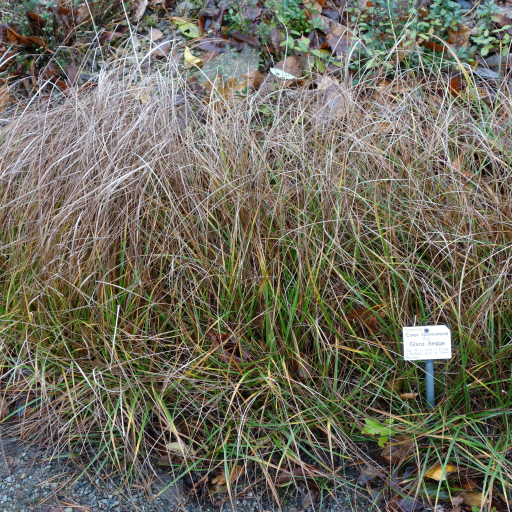
Plant Overview
Known as the Glossy-fruited Sedge, this resilient little traveler is a master of dry, rocky terrains across Europe and Western Asia. Unlike its many cousins that wallow in soggy marshes, this species prefers sun-drenched limestone slopes where its polished, dark seeds can catch the light. It is a subtle beauty, often used by restoration ecologists to stabilize thin soils where few other plants can survive.
🔍 How to Identify
- ✨ Lacquered Fruit: The most striking feature is the "utricle" (the sac enclosing the seed), which is exceptionally smooth, hairless, and has a high-gloss finish that looks almost like polished mahogany.
- 📐 Edged Stems: True to the botanical rhyme "Sedges have edges," its stems are distinctly triangular and stiff, helping it stand upright against mountain winds.
- 🍃 Wiry Foliage: The leaves are narrow, grayish-green, and often slightly rolled inward to conserve moisture during hot summer days.
🏡 In Your Garden
- ⛰️ The Rock Specialist: This plant is an "alkaline lover," meaning it craves calcium-rich, limestone soils. If you have a rock garden or a dry, sunny bank where nothing else grows, this sedge will feel right at home.
- 🏃 Creeping Habit: It spreads via underground rhizomes, forming loose, grassy mats. It’s not an aggressive invader, but rather a patient ground-cover that helps prevent soil erosion on slopes.
⚠️ Safety & Toxicity
- ✅ Non-Toxic: Carex liparocarpos is generally considered safe and non-toxic to humans, cats, and dogs.
- 🧤 Physical Irritant: While not poisonous, the leaf edges can be quite sharp. Gardeners should wear gloves when thinning or transplanting to avoid "grass cuts" on the fingers.
✨ Fun Fact
The species name Liparocarpos is derived from the Greek words liparos (shining/oily) and karpos (fruit). It was named specifically because its seeds look like they have been buffed with a soft cloth!

Detailed Care Instructions

Place in a window with dappled sun or a spot in the middle of a room. Or directly in a window facing west or east.

Carex Liparocarpos plant requires regular watering to keep the soil moist, but not waterlogged. The frequency of watering will depend on the temperature and humidity of the surroundings. It is important to avoid letting the soil dry completely as it can damage the root system.
When watering, it is best to water the soil directly and avoid getting water on the leaves as this can lead to fungal diseases. Use a watering can or a hose with a fine spray to water evenly and gently.
During the growing season, from spring to fall, it is recommended to water the plant once or twice a week. In winter, when the plant is dormant, watering can be reduced to once every two weeks, or when the soil starts to feel dry.
It is essential to avoid overwatering, as this can lead to root rot and other related diseases. Always make sure that the soil drains well and water is not allowed to sit in the saucer or pot.
In summary, to successfully water Carex Liparocarpos plant, it is necessary to keep the soil moist, water directly to the soil, avoid overwatering, and adjust watering frequency according to seasonal changes.
When planting the aforementioned plant, it is recommended to use a well-draining, moisture-retentive soil mixture. This soil should be organic and rich in nutrients. It is also important to make sure that the pH level of the soil is within the range of 5.5 to 7.5, as this will ensure that the plant can properly absorb nutrients. Additionally, it is recommended to plant the Carex Liparocarpos in a location that receives partial to full shade, as this will provide the optimal growing conditions for the plant.








