Plant Overview
Commonly known as the Palm Sedge, Carex muskingumensis is a North American native that brings an unexpected tropical flair to temperate gardens. Its distinctive leaf arrangement mimics miniature palm trees, creating a lush, architectural look that stands out among more traditional grasses. It is a champion of the wetlands, perfectly suited for those tricky, soggy spots where other plants might fail.
🔍 How to Identify
- 🍃 Palm-Like Foliage: The most striking feature is its narrow, pointed leaves that radiate from the stems in a symmetrical, frond-like pattern, resembling a tiny palm tree.
- 📐 Triangular Stems: True to the botanical rule "sedges have edges," the stems are distinctly triangular in cross-section and feel sturdy and sharp to the touch.
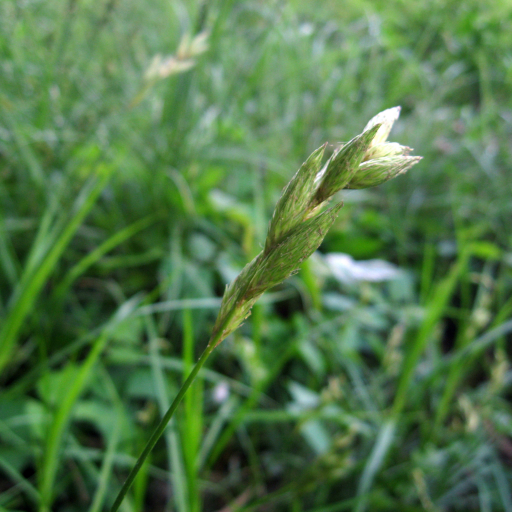
- 🌾 Brown Seed Spikes: In early summer, it produces pointed, light-green flower spikes that mature into attractive, copper-brown seed heads by autumn.
🏡 In Your Garden
- 💧 The "Wet Feet" Expert: This plant thrives in heavy, clay-rich, or poorly drained soils; it is a primary candidate for rain gardens, pond margins, or low-lying areas that collect runoff.
- 🌳 Shade Tolerance: Unlike many ornamental grasses that require full sun to look their best, the Palm Sedge is remarkably shade-tolerant and can brighten up a damp, woodland edge.
- 🧤 Maintenance Nuance: Because it spreads slowly via rhizomes, it creates a dense, weed-suppressing mat over time. It is best left standing through winter to protect the crown, then cut back to the ground in early spring before new growth emerges.
⚠️ Safety & Toxicity
- 🐾 Pet Assessment: Carex muskingumensis is generally considered non-toxic to dogs, cats, and horses, making it a worry-free choice for pet owners.
- 🌾 Mechanical Irritation: While not chemically toxic, the leaf edges contain silica and can be slightly abrasive. Keep an eye on curious toddlers who might try to grab the leaves, as they can cause minor "grass cuts."
✨ Fun Fact
The specific epithet muskingumensis refers to the Muskingum River in Ohio, where the plant was first scientifically documented. Despite its Midwestern river-bottom roots, it is frequently used by modern landscape designers to create "tropical" aesthetics in cold climates where real palms couldn't survive the winter.

Detailed Care Instructions
To grow Carex muskingumensis, also known as Muskingum sedge or palm sedge, follow these steps:
- Choose the right location: Carex muskingumensis thrives in partial to full shade but can tolerate full sun if provided with adequate moisture. Ensure the soil is well-draining and slightly acidic to neutral in pH.
- Prepare the planting area: Clear any weeds or grasses from the planting area and loosen the soil to promote good root growth.
- Planting: Dig a hole slightly larger than the plant's container or root ball. Place the plant in the hole at the same depth it was previously growing, and backfill with soil, gently firming it around the roots.
- Watering: Carex muskingumensis prefers consistently moist soil, especially during the establishment phase. Water the plant regularly, ensuring that the soil is moist but not waterlogged.
- Mulching: Apply a layer of organic mulch, such as wood chips or shredded bark, around the base of the plant. This will help retain moisture, suppress weed growth, and maintain a more stable soil temperature.
- Fertilizing: Carex muskingumensis generally does not require fertilization. However, if you prefer to fertilize, use a slow-release, balanced fertilizer and follow the instructions on the label.
- Maintenance: Trim back any dead or damaged foliage in early spring before new growth emerges. Regularly remove any excessive thatch or debris to promote air circulation and reduce the risk of pests and diseases.
- Division: Over time, Carex muskingumensis may become crowded or clumped. To maintain healthy growth, divide the plant every 3-4 years in early spring or fall. Dig up the clump, separate it into smaller sections, and replant them.
By following these guidelines, you can successfully grow Carex muskingumensis and enjoy its attractive clumps of arching, palm-like leaves.

Place in a window with dappled sun or a spot in the middle of a room. Or directly in a window facing west or east.

There are a few things to keep in mind when watering this particular plant. First, it's important not to let the soil completely dry out. This can be monitored by checking the moisture level with a finger or by using a soil moisture meter.
When watering, it's best to water deeply and thoroughly, allowing the water to soak in all the way to the roots. However, it's also important not to over-water, as this can lead to root rot.
It's also a good idea to water in the morning, as this gives the plant a chance to dry off before nighttime, which can help prevent disease.
Overall, the goal is to keep the soil moist but not waterlogged, and to water deeply and infrequently rather than frequently and shallowly.
To fertilize this plant, carefully apply a balanced, slow-release fertilizer to the soil around the base of the plant during the growing season. Avoid over-fertilizing, as this can lead to burn or damage to the roots. Water the plant well after fertilizing to help distribute the nutrients evenly throughout the soil. Consider testing the soil pH to ensure it is within the appropriate range for this plant, as certain nutrients may not be available to the plant if the soil is too acidic or alkaline.
The ideal soil for this plant is a moist, well-draining loamy soil that is rich in organic matter. It prefers a slightly acidic to neutral pH (between 5.5 and 7.0) and thrives in areas with high humidity. A soil that is too dry or compacted can cause stress to the plant and inhibit its growth. Additionally, this plant benefits from a layer of mulch to retain moisture in the soil and prevent weed growth.
To propagate this plant, you will need to gather plant material such as stem cuttings or division of the clump. Take stem cuttings from healthy plants in the spring or summer when new growth begins. Cut a 3-4 inch section of stem with a sharp, clean pair of scissors or pruning shears and remove the leaves from the bottom inch of the stem. Place the cutting in a pot filled with a well-draining soil mix and keep the soil moist but not waterlogged. Enclose the pot with a plastic bag to create a humid environment. Place the pot in a bright, indirect light area and wait for the cutting to root, which may take 3-4 weeks. Once new growth appears, gradually acclimate the plant to its new environment by gradually removing the plastic bag.
For division of the clump, wait until the spring or fall and use a sharp shovel or garden knife to separate a clump of the plant into smaller sections. Ensure each section has a good root system and replant in a well-draining soil mix at the same depth as the original plant. Water well and keep the soil moist until the plants establish themselves.








