Plant Overview
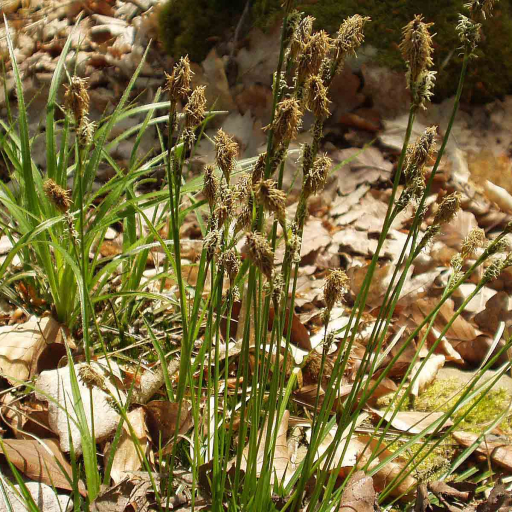
Often called the Shadow Sedge, this understated European native acts like a soft, living carpet for the darkest corners of your landscape. Unlike many ornamental grasses that crave the sun, this sedge thrives where others wither, turning gloomy patches into lush, textured oases. It is a favorite for gardeners wanting to recreate a "wild woodland" floor that feels both ancient and orderly.
🔍 How to Identify
- 🍃 Growth Habit: It forms dense, arching mounds (tussocks) that stay low to the ground, typically reaching only 6 to 10 inches in height.
- 📏 Foliage: The leaves are remarkably thin and hair-like, colored a deep, saturated green that often stays vibrant even through a mild winter.
- 🌾 Inflorescence: In late spring, it produces small, brownish-green flower spikes that sit atop slender stems, adding a delicate, rustic texture to the clump.
🏡 In Your Garden
- 🌑 The Shade Champion: True to its name (umbrosa means "shady"), it is a specialist for the understory. It is the perfect solution for planting under large canopy trees or on the north side of buildings where turf grass fails.
- 🌱 Root Stability: It possesses a thick, fibrous root system that makes it excellent for stabilizing soil in shaded sloped areas where erosion might be a concern.
- ✂️ Hands-Off Care: This is not a plant that needs constant attention. It dislikes being moved once established due to its compact root structure, so choose its "forever home" carefully.
⚠️ Safety & Toxicity
- ✅ Non-Toxic: Carex umbrosa is generally considered safe and non-toxic for humans, dogs, and cats.
- 🧤 Physical Texture: While it isn't as "sharp" as some of its saw-toothed sedge cousins, the leaf edges can be slightly abrasive. Wearing light gardening gloves during spring cleanup is recommended to avoid minor skin irritation.
✨ Fun Fact
The species name umbrosa comes from the Latin word "umbra," meaning shadow. This is the same linguistic root that gave us the word "umbrella" (which provides shade) and "penumbra" (the partially shaded outer region of a shadow).

Detailed Care Instructions
To grow Carex Umbrosa, also known as sedge, you can follow these steps:
- Choose an appropriate location: Carex Umbrosa prefers partial to full shade, although it can tolerate some sun. Ensure that the soil is well-draining and rich in organic matter.
- Prepare the soil: Before planting, remove any weeds or grass from the area and loosen the soil with a garden fork or tiller. Add compost or well-rotted manure to enrich the soil.
- Planting: Dig a hole slightly larger than the size of the nursery container. Gently remove the plant from the container and place it in the hole, ensuring the top of the root ball is level or slightly above the surrounding soil. Backfill the hole with soil and firm it gently around the plant.
- Watering: After planting, thoroughly water the Carex Umbrosa to settle the soil and eliminate any air pockets around the roots. Keep the soil slightly moist, especially during the establishment phase. Carex Umbrosa prefers consistently moist soil but can tolerate short periods of dryness once established.
- Mulching: Apply a layer of organic mulch, such as wood chips or shredded leaves, around the plant to conserve soil moisture, suppress weed growth, and provide insulation from temperature extremes.
- Maintenance: Regularly check the soil moisture and water as needed, especially during hot and dry periods. Avoid overwatering, as it can lead to root rot. Prune any dead or damaged foliage to maintain the plant's appearance and prevent diseases.
- Fertilizing: Carex Umbrosa generally doesn't require regular fertilization. However, if the plant appears weak or lacks vigor, you can apply a balanced slow-release fertilizer in early spring.
- Propagation: Carex Umbrosa can be propagated through division. In early spring or fall, dig up the plant and carefully divide the clumps, ensuring each division has healthy roots. Replant the divisions immediately, following the same planting steps as mentioned above.
- Pests and diseases: Carex Umbrosa is generally resistant to pests and diseases. However, it may occasionally face issues such as slugs or snails. Use appropriate organic pest control methods if necessary.
By following these steps, you can successfully grow Carex Umbrosa and enjoy its attractive foliage in your garden.

Place in a window with dappled sun or a spot in the middle of a room. Or directly in a window facing west or east.

Watering of this plant requires moderate attention, ensuring that the soil is always slightly moist but not waterlogged. This can be achieved by giving the plant a thorough watering once a week, and then allowing the top layer of soil to dry out slightly before watering again. It is important not to overwater the plant, as this can lead to root rot and other problems. During hot and dry weather, the plant should be watered more frequently to prevent it from drying out completely. It is also important to use well-draining soil and to avoid allowing water to sit in the plant's saucer or pot, as this can lead to excessive moisture.
To fertilize this plant, use a balanced fertilizer with equal amounts of nitrogen, phosphorus, and potassium. Apply the fertilizer in early spring before new growth appears and again in mid-summer. Use a granular or liquid form and follow the instructions on the package for application rates. Avoid over-fertilizing as this can damage the plant and harm surrounding soil and water sources. Water the plant thoroughly after fertilizing to help nutrients penetrate the soil and reach the roots.
The Carex Umbrosa plant prefers a moist, well-draining soil that is rich in organic matter. The soil should have a slightly acidic to neutral pH level and be kept consistently moist but not waterlogged. A good blend for this plant would include a mixture of loam, peat moss, and sand to improve drainage. The soil should also have good aeration to allow the roots to breathe. Use of a slow-release fertilizer during the growing season can also help to promote healthy growth.
To propagate this plant, first find a healthy and mature plant. Carefully remove a clump of the plant or several smaller divisions from the main plant. Make sure to use sterile gardening tools to avoid spreading diseases.
Prepare a pot with well-draining soil mixture and water it well. Dig holes in the soil mixture and plant the clumps or divisions at the same depth as they were in the main plant.
Water the newly planted Carex Umbrosa regularly to keep the soil slightly moist, but not waterlogged. Place the pot in a location with indirect sunlight.
After a few weeks, new growth should start to appear from the clumps or divisions. Keep watering the plant regularly and once the new growth has established, you can move it to a permanent location in your garden or a larger pot.








