Plant Overview
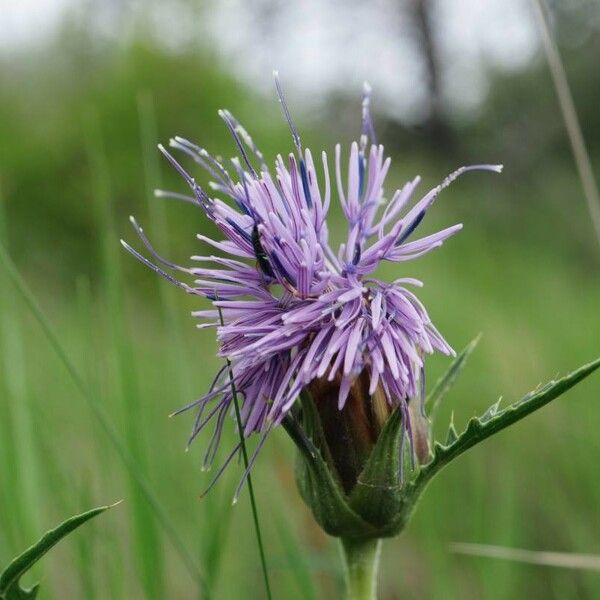
Often called the Blue Safflower, this Mediterranean gem brings a rare shock of electric indigo to sun-drenched landscapes. While it shares a family name with the common safflower used for cooking oil, this species is prized by gardeners for its architectural silhouette and "steely" blue hues. It is a tough, drought-defying perennial that looks like a piece of living ironwork.
🔍 How to Identify
- 💙 The Flowers: Striking, thistle-like flower heads that range from deep sky blue to intense violet-blue. They are surrounded by sharp, protective bracts.
- 🗡️ The Foliage: Leathery, dark green leaves that are deeply lobed and armed with stiff, needle-like spines along the edges.
- 📏 Growth Habit: A sturdy, upright plant typically reaching 1 to 2 feet in height, often forming dense, prickly clumps that stand their ground against wind.
🏡 In Your Garden
- ☀️ Sun Seeker: This plant is a true child of the Mediterranean; it craves full sun and will become "leggy" or floppy if tucked into the shade.
- 🏜️ Tough Love: It hates "wet feet." It thrives in poor, rocky, or sandy soil where other plants might struggle. Because of its deep taproot, it is incredibly drought-tolerant once established but very difficult to move—choose its "forever home" carefully!
- 🐝 Pollinator Magnet: Despite its prickly exterior, it is a favorite for bees and butterflies, who are drawn to the nectar-rich blue florets.
⚠️ Safety & Toxicity
- 🌵 Status: Non-toxic but physically defensive.
- 🧤 Details: While not known to be poisonous to humans, dogs, or cats, the spines are very sharp. They can easily pierce thin gardening gloves or irritate the skin of curious pets and toddlers. Always wear heavy-duty gloves when pruning or clearing old growth.
✨ Fun Fact
The genus name Carthamus comes from the Arabic word "qurtum," which means "to dye." While its yellow-flowered cousin is famous for creating orange dyes and oils, the Blue Safflower was historically used in folk medicine across North Africa and the Mediterranean islands.

Detailed Care Instructions
Carthamus Caeruleus is a plant that requires frequent watering to thrive. When watering the plant, it is essential to ensure that the soil is thoroughly moistened, but not waterlogged. Watering should be done regularly, especially during periods of drought or low humidity.
To water the plant, use a watering can or a garden hose with a spray nozzle. Slowly pour water onto the soil around the base of the plant, making sure not to water the leaves or flowers. Water the plant until the water starts to drain out of the bottom of the pot or container. Ensure that the soil is not too wet or dry by checking the moisture level frequently with a moisture meter or your finger.
It is also essential to water the plant early in the morning or later in the day to avoid excessive loss of water due to evaporation. Additionally, avoid overwatering the plant as this can lead to root rot and other diseases.
The ideal soil for Carthamus Caeruleus is a well-draining sandy soil with a neutral to slightly alkaline pH. It should be enriched with organic matter and have good soil structure to ensure proper root development and moisture retention. Adding perlite or sand to heavier soils can help improve drainage. The soil should be kept moist but not waterlogged to prevent root rot. It is important to avoid using heavy clay soils or soils with a high salt content as they can negatively impact the plant's growth and health.








