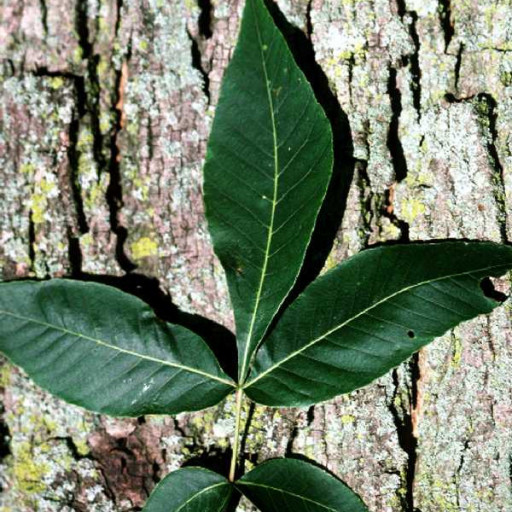
Plant Overview
Known as the Pignut Hickory, this stately giant is a cornerstone of North American hardwood forests. Its name reflects a long-standing tradition where early settlers allowed their livestock to forage on its pear-shaped nuts, which were considered "fit only for pigs" compared to the sweeter Pecan. It is a tree built for endurance, once prized by pioneers for making broom handles and wagon wheels because its wood is incredibly dense and shock-resistant.
🔍 How to Identify
- 🍃 Leaf Layout: Look for compound leaves typically featuring 5 (occasionally 7) leaflets. They are lance-shaped with finely serrated edges and are notably smooth or "glabrous" on both sides, which gives the tree its scientific name, glabra.
- 🥜 The Fruit: The nut is unique—it’s small, pear-shaped, and encased in a very thin, green husk. Unlike other hickories, this husk usually only splits halfway to the base when the nut is ripe.
- 🌳 Tight Bark: While its cousin, the Shagbark Hickory, has peeling strips, the Pignut has tight, grey bark that develops a beautiful diamond-patterned texture as the tree matures.
🏡 In Your Garden
- 🏗️ The Taproot Rule: The Pignut Hickory grows a massive, deep taproot almost immediately after sprouting. This makes the tree incredibly wind-firm and drought-tolerant, but it also means it is nearly impossible to transplant once it's more than a year or two old. Choose its "forever home" wisely!
- 🐿️ Wildlife Magnet: If you are looking to support local ecology, this tree is a powerhouse. It serves as a primary food source for squirrels, chipmunks, and turkeys, and acts as a host plant for the spectacular (and giant) Luna Moth.
⚠️ Safety & Toxicity
- ✅ Generally Safe: Carya glabra is not considered toxic to humans, dogs, horses, or cats.
- 👅 Bitter Bite: While the nuts are technically edible, they are often very bitter due to high tannin content. They aren't harmful if tasted, but they certainly aren't as delicious as the Shagbark or Shellbark hickory nuts.
- 🧹 Yard Maintenance: Be aware that the falling nuts and heavy twigs can be a bit of a "cleanup chore" in manicured lawns during the autumn months.
✨ Fun Fact
The wood of the Pignut Hickory is so incredibly tough and flexible that it was the preferred material for making the handles of the very first pioneer brooms, earning it the historical nickname "Broom Hickory."

Detailed Care Instructions
| Lighting | Full Sun |
| Hardiness Zones | 4A - 9B |
To grow a Carya glabra plant (also known as the pignut hickory), follow these steps:
- Choose a suitable location: Carya glabra prefers full sun to partial shade and well-drained, moist soil. It is native to North America and grows well in USDA hardiness zones 4-9.
- Collect seeds: Obtain fresh pignut hickory seeds from a reputable source or collect them yourself from mature trees in the fall. Look for trees with healthy foliage and abundant nuts.
- Prepare the seeds: Soak the seeds in room temperature water for 24-48 hours to soften the outer shell and aid germination. This process is called stratification and helps break seed dormancy.
- Select a container or site: Choose a container or an outdoor location to plant the seeds. If using a container, make sure it has drainage holes to prevent waterlogging.
- Plant the seeds: Plant the stratified seeds 2-3 inches deep in a well-drained potting mix or directly in the ground for outdoor planting. Space the seeds 18-24 inches apart.
- Provide water and care: Keep the soil consistently moist but not waterlogged. Ensure proper drainage to prevent root rot. Water the seedlings regularly and maintain a consistent watering schedule.
- Protect against wildlife: Protect the newly planted seeds from squirrels, chipmunks, and other wildlife that may eat the nuts. You can cover the seeds with a wire mesh or use repellents.
- Maintain weed control: Keep the planting area free of weeds to reduce competition for nutrients and water. Mulching can help suppress weed growth and retain moisture.
- Monitor and prune: Regularly monitor the growth of the plant. As the tree grows, prune any damaged or diseased branches for better health and shape.
- Be patient: Carya glabra is a slow-growing tree and may take several years to reach maturity. Be patient and provide consistent care.
Remember to check local regulations and permissions before collecting seeds or planting Carya glabra in certain areas, as it is protected in some regions.

Place in a bright room that is sun drenched almost all day. Or directly in a south-facing window.

To water this plant, you should first check the soil moisture level using a soil moisture meter or by inserting your finger about an inch into the soil. If the soil feels dry, it's time to water.
When watering this plant, make sure to give it a thorough soaking, allowing water to penetrate the soil deeply. This will encourage the roots to grow deep and strong.
Avoid getting water on the leaves or soaking the foliage, as this can increase the risk of fungal diseases. Instead, aim the water at the soil around the base of the plant.
Watering frequency will depend on various factors such as the weather conditions, soil type, and size of the plant. In general, this plant prefers moist but well-draining soil, so avoid overwatering and allowing the soil to become waterlogged.
If you notice the leaves starting to droop or curl, it may be a sign of over or under watering. Adjust your watering accordingly to ensure the plant stays healthy and hydrated.
To fertilize this plant, apply a slow-release fertilizer in early spring before new growth emerges. Use a balanced formula with equal amounts of nitrogen, phosphorus, and potassium. Follow the instructions on the label for the recommended amount to apply. Avoid fertilizing in the fall or winter as it may stimulate new growth that could be damaged by cold temperatures. Water deeply after fertilizing to help the nutrients reach the roots.
The Carya Glabra plant requires a well-draining soil with a pH level of 5.5 to 7.5. The soil should be rich in organic matter and have good water retention properties to enable the plant to access nutrients easily. The ideal soil structure for this plant is loamy, consisting of equal parts of sand, silt, and clay. The soil should also be free of any toxins, pollutants, or heavy metals that could inhibit the growth of the plant. Adding compost or aged manure to the soil can help to improve soil fertility and nutrient levels. Additionally, it is recommended to avoid using soil mixes that contain peat moss or perlite since they can be too lightweight and lead to poor water retention.
To propagate this plant, you can take cuttings or sow seeds. For cuttings, select healthy, mature branches and cut them into pieces that are around six inches long. Remove any leaves from the lower two inches of the cutting and dip the cut end into rooting hormone. Plant the cutting into well-draining soil and keep it moist, but not waterlogged. Place the cutting in a warm, bright location, but not in direct sunlight. The cutting should root within a few weeks.
To propagate from seeds, collect ripe nuts from the tree in the fall. Soak the nuts in water for 24 hours to soften the shell. Crack open the shell and remove the seed. Plant the seed in well-draining soil in a container or directly in the ground. Keep the soil moist but not waterlogged and place the container or area with the seeds in a warm, bright location. The seed should germinate within a few weeks to a few months.








