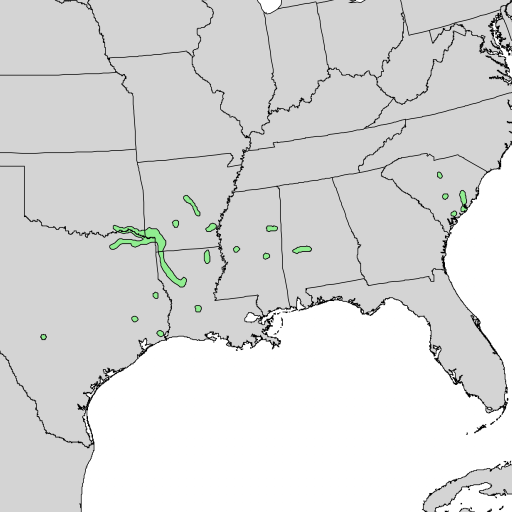
Plant Overview
Known as the Nutmeg Hickory, this rare and stately tree is a hidden gem of the Southern United States. It earns its charming nickname from its distinctive nuts, which feature a bronzed, scurfy coating and a shape that looks strikingly like the culinary spice, nutmeg. While it belongs to the same family as the Pecan, the Nutmeg Hickory is far more elusive, often found hiding in rich, moist bottomlands.
🔍 How to Identify
- 🍃 The Leaves: Features pinnately compound leaves usually consisting of 7 to 9 leaflets. A key giveaway is the underside of the leaves, which often have a shimmering, silvery-white or pale gold luster.
- 🥜 The Fruit: The nuts are small and ellipsoidal (roughly 1 inch long). The husk is thin and covered in a yellowish-brown "scurf" that mimics the texture of a true nutmeg seed.
- 🌳 The Bark: On younger trees, the bark is relatively smooth and gray, but as it matures, it develops narrow, plate-like scales that give it a slightly shaggy, rugged appearance.
🏡 In Your Garden
- 💧 Taproot Troubles: Like most members of the Carya genus, this tree develops a massive, deep taproot very early in life. This makes it exceptionally difficult to transplant, so if you intend to grow one, choose its "forever home" carefully while it is still a sapling.
- 🌱 Soil Specialist: In the wild, it thrives in "calcareous" soils (rich in lime or calcium). In a garden setting, it prefers deep, well-draining but moist soil and will struggle in shallow or extremely sandy pots.
⚠️ Safety & Toxicity
- 🟢 General Safety: The Nutmeg Hickory is considered non-toxic to humans and most livestock. The nuts are technically edible, though they are quite small and difficult to crack compared to commercial pecans.
- 🐕 Pet Caution: While not "poisonous," the fallen nuts and husks can be a choking hazard or cause intestinal blockages in curious dogs. Furthermore, moldy hickory nuts can contain tremorgenic mycotoxins which are dangerous to pets.
- 🌿 Allelopathy: Like its cousin the Black Walnut, hickories produce small amounts of juglone, a chemical that can inhibit the growth of certain sensitive plants (like tomatoes or azaleas) directly beneath the canopy.
✨ Fun Fact
The Nutmeg Hickory is one of the rarest hickories in North America. Because it grows so slowly and has such specific habitat requirements, it is often used by ecologists as an "indicator species" to identify high-quality, undisturbed old-growth bottomland forests.

Detailed Care Instructions
To successfully grow Carya myristiciformis, also known as Nutmeg Hickory, you can follow these steps:
- Climate: Nutmeg Hickory is native to southeastern United States and requires a warm and humid climate. It grows best in USDA hardiness zones 6 to 9.
- Soil: It prefers well-draining loamy or sandy soil with a slightly acidic to neutral pH (around 6.0 to 7.5). Amend the soil with organic matter to improve drainage and nutrient availability.
- Sunlight: Nutmeg Hickory thrives in full sun, meaning it requires at least 6 hours of direct sunlight per day.
- Planting: Find a suitable location in your garden that receives ample sunlight. Dig a hole twice as wide as the root ball and slightly deeper. Place the plant in the hole, backfill with soil, and gently firm it to remove any air pockets.
- Watering: Young Nutmeg Hickory plants require regular watering to establish a deep root system. Water deeply but infrequently, allowing the soil to dry out slightly between waterings. Once established, the plant is relatively drought-tolerant.
- Mulching: Apply a layer of organic mulch around the base of the plant to help conserve moisture, suppress weeds, and moderate soil temperature.
- Fertilization: Nutmeg Hickory generally doesn't require heavy fertilization. However, you can apply a balanced, slow-release fertilizer in early spring to provide necessary nutrients.
- Pruning: Prune Nutmeg Hickory during the dormant season, preferably in late winter or early spring. Remove any dead, damaged, or diseased branches. Additionally, thin out crowded branches to improve air circulation.
- Pests and diseases: Nutmeg Hickory is relatively resistant to pests and diseases. However, occasional problems may include aphids, webworms, and leaf spot diseases. Monitor the plant regularly and take appropriate measures if necessary, such as using insecticidal soap or removing infected leaves.
- Patience: Growing Nutmeg Hickory from seed can be a slow process, sometimes taking up to 5 years for the plant to reach a decent size. Be patient and provide proper care and maintenance to ensure healthy growth.
Remember to consult local gardening resources or nurseries for specific advice tailored to your region's conditions and climate.

Place in a bright room that is sun drenched almost all day. Or directly in a south-facing window.

Carya Myristiciformis is a deciduous plant native to North America. It belongs to the juglandaceae family and requires proper watering for its optimal growth. Here are some guidelines on watering this plant:
1. Watering frequency: Carya Myristiciformis generally requires regular watering, especially during the active growing season. This typically extends from spring to early fall. However, it is important to allow the top layer of soil to dry out slightly between watering sessions, as excessive moisture can lead to root rot.
2. Soil type: This plant prefers well-draining soil that retains a moderate level of moisture. It is recommended to use a mix of organic matter, such as compost or peat moss, to improve soil texture and water retention. This allows the plant to receive sufficient water while preventing waterlogging that may harm the roots.
3. Watering method: When watering Carya Myristiciformis, it is best to employ a slow and deep watering technique. This means that instead of quick, shallow watering, thoroughly soak the soil around the base of the plant. This ensures that the water penetrates deeply into the root zone, encouraging the roots to grow deeply as well.
4. Mulching: Applying a layer of organic mulch around the base of the plant can help retain soil moisture and regulate temperature. This is particularly helpful during hot summer months when evaporation rates increase. Mulch also acts as a barrier, preventing weed growth and reducing the need for frequent watering.
5. Drought tolerance: Carya Myristiciformis has a relatively good tolerance for drought, especially once established. Once the plant's root system has developed fully, it can withstand short periods of water scarcity. However, it is still important to monitor the soil moisture levels and provide supplementary watering during prolonged dry spells to maintain plant health.
6. Rainwater usage: Utilizing rainwater for watering Carya Myristiciformis is highly beneficial. Rainwater is typically free of harmful chemicals found in tap water and contains essential nutrients that promote plant growth. Collecting rainwater in barrels or using a rainwater harvesting system can provide a sustainable water source for this plant.
Remember, it is essential to observe your specific Carya Myristiciformis plant's moisture requirements, taking into account local climate conditions and individual microclimates. Monitoring the soil's moisture content and adjusting watering practices accordingly will help ensure the plant remains healthy and thrives.
To effectively fertilize the Carya Myristiciformis plant, follow these instructions:
- Choose a balanced, slow-release fertilizer rich in nitrogen, phosphorus, and potassium. Look for a formulation with an NPK ratio of around 10-10-10 or similar.
- Apply the fertilizer in early spring, just before new growth appears. Avoid feeding during winter or late fall to prevent encouraging tender growth that could be damaged by frost.
- Calculate the amount of fertilizer needed based on the size of the plant. Generally, apply around 1 pound (454 grams) of fertilizer per 100 square feet (9.3 square meters) of planted area.
- Distribute the fertilizer evenly around the base of the plant, ensuring it covers the entire root zone area. Keep it at least a foot (30 centimeters) away from the trunk to avoid burning the bark.
- Gently work the fertilizer into the top 1-2 inches (2.5-5 centimeters) of soil using a garden fork or a gentle tilling tool. Be careful not to damage the roots while doing this.
- Water the plant thoroughly after applying the fertilizer to help it dissolve and reach the plant's roots. Avoid overwatering, as it can wash away the nutrients and disrupt nutrient uptake.
- Monitor the plant's response to fertilization. If the leaves start turning yellow or show signs of nutrient deficiencies, consider applying a foliar spray or additional fertilizer as needed.
- Repeat the fertilization process annually, following the same schedule and quantities, to maintain the overall health and vigor of the Carya Myristiciformis plant. Adjust the dosage or frequency if guided by specific plant requirements or soil test recommendations.
Remember to always read and follow the instructions provided by the specific fertilizer manufacturer, as different products may have specific guidelines for application.
Carya myristiciformis, commonly known by various names, is a deciduous tree native to North America. When selecting soil for this plant, there are a few crucial factors to consider in order to provide optimal growing conditions:
- Soil type: Carya myristiciformis prefers well-draining soil that retains moisture without becoming waterlogged. It is best to choose loamy or sandy soil that allows excess water to flow through easily, preventing root rot. Avoid heavy clay soils that may lead to poor drainage.
- pH level: The ideal pH range for Carya myristiciformis is slightly acidic to neutral, generally between 6.0 and 7.0. Testing the pH level of the soil can help ensure that it falls within this range. Acidic or alkaline soil can adversely affect the plant's nutrient uptake and overall health.
- Organic matter: Incorporating organic matter into the soil can enhance its fertility and structure, promoting healthy root development. Consider adding well-rotted compost or aged manure to improve the soil's nutrient content and moisture retention capability.
- Nutrient requirements: Carya myristiciformis benefits from a balanced nutrient supply. Prior to planting, it is advisable to conduct a soil test to determine any deficiencies or excesses in specific nutrients. Incorporating a slow-release, balanced fertilizer as per the test results can help ensure the tree receives the necessary nutrients throughout the growing season.
- Moisture levels: While Carya myristiciformis prefers well-draining soil, it also requires consistent moisture to thrive. Ensure that the soil retains enough moisture for healthy growth, but take care not to overwater, as this can lead to root rot. Mulching around the base of the tree can help retain soil moisture and regulate temperature.
Remember that the overall health and growth of Carya myristiciformis depend not only on the soil quality but also on other factors such as sunlight exposure, temperature, and regular maintenance.
To propagate Carya Myristiciformis plant, you can follow the steps below:
- Collect viable seeds: Look for mature nuts or seeds from the parent plant. Ensure they are firm and free from any damage or rot. Harvest them in the fall when they naturally drop from the tree.
- Prepare the seeds: Soak the collected seeds in water for about 24 hours to soften the outer shell. This process, known as stratification, helps break seed dormancy and improves germination rates.
- Sow the seeds: Fill a seed tray or a pot with a well-draining soil mix. Plant the seeds about 1 inch deep into the soil. Moisten the soil lightly with water.
- Provide optimal conditions: Place the seed tray or pot in a warm location that receives indirect sunlight. Maintain a temperature of around 68-86°F (20-30°C) to promote germination. Mist the soil regularly to keep it moist, but avoid waterlogging.
- Wait for germination: Germination may take anywhere from a few weeks to a few months. Patience is important, as some species of Carya have slow germination rates.
- Transplant seedlings: When the seedlings have developed a few sets of true leaves, they can be carefully transplanted into individual pots. Ensure the new pots have good drainage to prevent waterlogged roots.
- Provide suitable growing conditions: Place the potted seedlings in a partially shaded area, protecting them from harsh direct sunlight. Maintain a consistent watering schedule, keeping the soil moist but not saturated. Fertilize every few weeks during the growing season with a balanced liquid fertilizer.
- Continue care and growth: As the seedlings mature, gradually expose them to longer periods of sunlight. Monitor and water them regularly, providing enough moisture without overwatering. When the plants grow strong and well-established, they can be transplanted into the ground or larger containers.
Remember, proper care, patience, and suitable growing conditions are essential for successfully propagating Carya Myristiciformis or any plant.








