Plant Overview
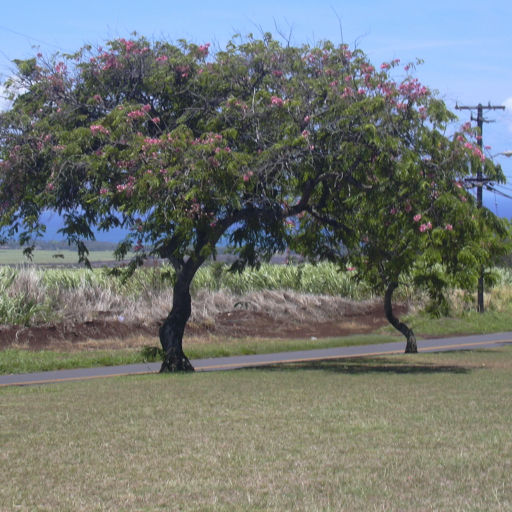
Often called the Pink Shower Tree or the Apple Blossom Tree, Cassia javanica is a tropical masterpiece that looks like it belongs in a fairytale. Native to the rainforests of Southeast Asia, this tree earns its nicknames during the blooming season when it becomes completely smothered in delicate pink and white clusters that resemble northern apple blossoms. When the wind blows, the falling petals create a literal "shower" of pink on the ground below.
🔍 How to Identify
- 🌸 The Blooms: Large, fragrant clusters of flowers that transition from pale pink to deep rose, often with a yellow center. They appear in dense masses along the branches.
- 🌿 The Foliage: Feathery, "pinnate" leaves consisting of 12 or more pairs of oval leaflets. The leaves provide a soft, airy texture even when the tree isn't in bloom.
- 🌳 The Silhouette: A medium-sized tree with a wide, spreading, umbrella-like canopy and slightly drooping branches that give it a graceful, weeping appearance.
🏡 In Your Garden
- 🌱 Space and Scale: This tree is a fast grower and needs plenty of room to stretch its "arms." It is best used as a focal point or a shade tree rather than being tucked into a tight corner.
- 💧 The "Lazy" Winter: As a deciduous or semi-deciduous species, it may drop its leaves during the dry season or a cold snap. Don’t panic—this is a natural resting phase that prepares the tree for its spectacular spring flowering.
- ☀️ Sun Seeker: It thrives in full sun; the more light it receives, the more dramatic the floral display will be. It is sensitive to frost, so it is strictly for warm, frost-free climates.
⚠️ Safety & Toxicity
- 🐾 Caution Recommended: While the flowers are beautiful, the seeds and seed pods contain compounds that can be toxic if ingested in large quantities.
- 👶 Keep an Eye Out: The long, dark brown seed pods can be tempting for children to play with or for dogs to chew on. Ingestion can cause digestive upset or a strong laxative effect.
✨ Fun Fact
The Pink Shower Tree is one of the "parents" of the famous Rainbow Shower Tree (Cassia x nealiae). By crossing Cassia javanica with the Golden Shower Tree, botanists created a sterile hybrid that blooms in an even wider array of sunset colors!

Detailed Care Instructions
Here are some steps to help you grow Cassia Javanica plants:
- Choose a suitable location: Cassia Javanica plants need full sun exposure, so select a location that receives at least 6-8 hours of direct sunlight per day.
- Prepare the soil: Ensure that the soil is well-drained and rich in organic matter. Amend the soil with compost or well-rotted manure to improve its fertility and drainage.
- Planting: Dig a hole twice as wide and deep as the nursery pot. Carefully remove the plant from its container, gently tease out the roots, and place it in the hole. Backfill with the amended soil, firming it gently around the base of the plant.
- Watering: After planting, water the Cassia Javanica plant thoroughly to settle the soil and to provide adequate moisture for the roots to establish. Water regularly, keeping the soil evenly moist but not waterlogged. Increase watering during dry periods.
- Mulching: Apply a layer of organic mulch around the base of the plant to retain moisture, regulate soil temperature, and suppress weeds. Leave a small gap around the stem to prevent rotting.
- Fertilization: Feed the Cassia Javanica plant with a balanced, slow-release fertilizer in early spring and mid-summer. Follow the instructions on the fertilizer packaging for the appropriate application rate.
- Pruning: Prune the plant to maintain shape and size, and to remove dead or damaged branches. Cassia Javanica plants can tolerate heavy pruning, so you can shape them as desired.
- Pests and diseases: Regularly inspect the plant for pests like aphids or mealybugs. Treat any infestations immediately with insecticidal soap or other organic insecticides. Keep an eye out for fungal diseases like powdery mildew and treat with appropriate fungicides if necessary.
- Support: Depending on the variety, Cassia Javanica plants may benefit from staking or support. Install a sturdy stake near the plant and tie the branches gently to it to prevent bending or breaking.
- Be patient: Cassia Javanica plants may take some time to establish and reach their full potential. With proper care, they will reward you with beautiful blooms and foliage.

Place in a bright room that is sun drenched almost all day. Or directly in a south-facing window.

To water this plant, first check the soil moisture level by inserting your finger or a moisture meter into the soil. If the soil is dry to the touch, it's time to water. Use room temperature water and slowly pour it onto the soil around the base of the plant, being careful not to water the leaves. Stop watering once the soil feels moist but not waterlogged. Avoid letting the plant sit in standing water, as it can lead to root rot. Depending on the humidity, temperature, and amount of sunlight the plant receives, it may need watering once or twice a week or less frequently if the soil retains moisture well.
To fertilize the plant, use a well-balanced fertilizer with equal amounts of nitrogen, phosphorus, and potassium. Dilute the fertilizer in water according to the instructions on the package. Apply the fertilizer to moist soil around the base of the plant, making sure to avoid direct contact with the foliage. Fertilize every two to three weeks during the growing season, and reduce frequency during the winter months. Monitor the plant for any signs of over-fertilization, such as burnt or browned leaves, and adjust fertilization accordingly.
The ideal soil to use for Cassia Javanica plant is a mixture of loamy soil, compost, and sand. This type of soil provides a well-draining medium for the plant to grow in and helps prevent waterlogging. Loamy soil is rich in nutrients and retains moisture well, while compost provides organic matter to feed the plant. Sand helps create a more porous soil structure, allowing roots to grow and access oxygen. It is important to ensure the soil pH is between 6.5 to 7.5, as Cassia Javanica prefers slightly acidic to neutral soil. Additionally, the soil should be kept moist but not waterlogged, as this can lead to root rot and other issues.
To reproduce and grow a new Cassia Javanica plant, you can propagate it through hardwood cuttings. Follow these steps to propagate Cassia Javanica:
- Choose a healthy and mature stem from the Cassia Javanica plant.
- Cut a 6- to 8-inch section of the stem, just below a node. A node is where the leaves emerge from the stem.
- Remove the leaves from the bottom 2 inches of the stem.
- Dip the cut end of the stem into rooting hormone powder. This promotes root growth.
- Insert the stem into a pot filled with soilless potting mix. Gently press the soil around the stem to hold it in place.
- Water the soil around the stem until it is moist, but not soaked.
- Cover the pot with a plastic bag. This keeps the moisture level high while the stem develops roots.
- Place the pot in a warm, bright area that receives indirect sunlight.
- Check the soil regularly and water when it feels dry to the touch.
- After 4 to 6 weeks, you should see new growth emerging from the stem. This means it has developed roots.
- Remove the plastic bag and move the pot to a sunny location.
- Continue to water and care for the plant as it grows. It will take a few years for the new plant to reach maturity and flower.








