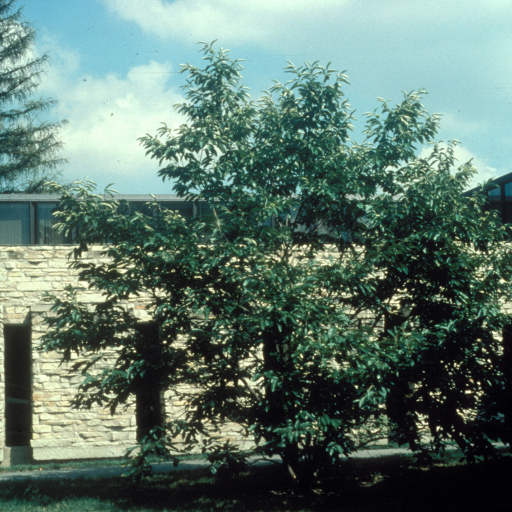
Plant Overview
Often called the "Savior of the Chestnut," the Chinese Chestnut is a resilient beauty that stepped in to fill the void when the American variety was nearly wiped out by blight. Native to China and Korea, this tree is prized for its sweet, starchy nuts and its dense, spreading canopy. It’s a favorite for homesteaders and those looking to add a touch of "food forest" charm to their landscape.
🔍 How to Identify
- 🍃 The Leaves: Look for long, lance-shaped leaves with distinct, bristly-toothed edges. They feature a dark, glossy green upper surface and a slightly fuzzy, pale underside.
- 🌰 The Fruit: The most unmistakable feature is the "burr"—a round, extremely spiny husk that looks like a green sea urchin. When ripe, these split open to reveal 1 to 3 shiny, mahogany-brown chestnuts.
- 🌳 Growth Habit: Unlike the towering American variety, the Chinese Chestnut is broader and more rounded, often reaching 40–60 feet in height with a wide, shade-providing spread.
🏡 In Your Garden
- 🌬️ The Social Tree: If you’re hoping for a harvest, don't plant just one! These trees are not self-fertile. You will need at least two different seedlings or varieties nearby so the wind can carry pollen between them.
- 🪵 Drainage is Key: While they are tough and drought-tolerant once established, they have a deep taproot that hates "wet feet." They thrive in well-drained, slightly acidic soil and prefer a sunny spot where they can stretch their branches.
⚠️ Safety & Toxicity
- ✅ Edible Bounty: The nuts are delicious and highly nutritious for humans. Unlike most nuts, they are low in fat and high in Vitamin C. Always cook or roast them before eating to improve flavor and texture.
- 🌵 Physical Hazard: The primary danger is the husk. The "burrs" are incredibly sharp and can easily pierce skin or thin shoes. Wear thick leather gloves when harvesting.
- 🐾 Pet Safety: The nuts themselves are generally safe for pets in small amounts, but the spiny husks can cause serious injury to paws or mouths if a curious dog tries to play with them.
✨ Fun Fact
🧬 A Genetic Hero: The Chinese Chestnut is naturally resistant to the devastating chestnut blight fungus. Because of this, scientists are currently cross-breeding it with the nearly extinct American Chestnut to create a hybrid "super tree" that can survive in the wild again.

Detailed Care Instructions
| Color | Yellowish White |
| Soil Ph | Slightly Acidic |
| Soil Type | Medium To Wet, Well-Drained Loam |
| Bloom Time | June |
| Plant Type | Tree |
| Mature Size | 40-60 Ft. Tall, 40-60 Ft. Wide |
| Native Area | Korea And China |
| Sun Exposure | Full Sun |
| Hardiness Zones | 4-8 |
To grow Castanea mollissima, also known as the Chinese chestnut tree, follow these steps:
- Choose a suitable location: Ensure the planting area receives full sun with well-draining soil. The tree can tolerate various soil types but thrives in loamy soil.
- Prepare the soil: Amend the soil with organic matter like compost or well-rotted manure to improve its fertility and drainage. Remove any competing weeds or grass from the planting area.
- Select healthy planting material: Obtain chestnut tree saplings from a reputable nursery or seek out seeds. If using seeds, collect them from fully ripened chestnuts in fall. Soak the seeds in water for a day before planting.
- Planting: Dig a hole deep and wide enough to accommodate the root system of the sapling. Place the tree in the hole, ensuring it sits at the same depth it was in the nursery container. If planting from seeds, plant them about 1-2 inches deep in the soil.
- Watering: Water the tree thoroughly after planting to settle the soil and provide necessary moisture. Continue to water weekly, providing about 1 inch of water, particularly during dry periods.
- Mulching: Apply a layer of mulch, such as wood chips or bark, around the base of the tree. This helps to conserve moisture, suppress weeds, and moderate soil temperature.
- Pruning: Prune any damaged or diseased branches regularly, preferably during the dormant season in late winter or early spring. This helps maintain the overall health and shape of the tree.
- Fertilizing: Provide additional nutrients by applying a balanced fertilizer in early spring, following the package instructions. Avoid excessive fertilization, as it may lead to excessive vegetative growth instead of fruit production.
- Pest and disease control: Monitor the tree for common pests like chestnut weevils or chestnut blight. Apply appropriate insecticides or fungicides if necessary, following label instructions.
- Harvesting: Depending on the variety, chestnuts typically mature in late summer to early fall. Harvest when the protective, prickly husks begin to split and the nuts inside are mature and firm. Peel off the outer husks and allow the nuts to dry for a few days before storage.
With proper care and maintenance, your Castanea mollissima plant should grow and produce chestnuts in a couple of years.

Place in a bright room that is sun drenched almost all day. Or directly in a south-facing window.

To properly water Castanea Mollissima plant, it is important to first check the moisture level of the soil. This can be done by inserting a finger into the soil up to the second knuckle. If the soil feels dry, then it is time to water the plant.
When watering, it is best to use a watering can or hose to apply water at the base of the plant and avoid getting water on the leaves. Water slowly and deeply to allow the roots to absorb moisture. Avoid overwatering, as this can lead to root rot and other issues.
It is also important to note the plant's environment and adjust watering accordingly. For example, if the plant is in a warm and dry environment, it may require more frequent watering. In cooler and less sunny environments, less watering may be needed.
Overall, proper watering is essential to the health and growth of Castanea Mollissima plant. With consistent and attentive watering, this plant can thrive and produce healthy foliage and nuts.
To properly fertilize this plant, begin by selecting a fertilizer that has a balanced mix of nitrogen, phosphorus, and potassium. Apply the fertilizer in early spring, just before new growth begins, and give the plant a second application in early summer. Be sure to follow the fertilizer manufacturer's instructions for the correct amount and method of application. Additionally, avoid over-fertilizing, as this can lead to excessive growth and weak, disease-prone plants. Finally, always water the plant thoroughly after applying fertilizer to ensure the nutrients are properly absorbed by the roots.
The ideal soil for Castanea mollissima plant is a well-draining, loamy soil mixture with a pH range of 6.0 to 7.5. The soil should be rich in nutrients, organic matter and should retain moisture without becoming waterlogged. It is also important to ensure that the soil is free of any pests or diseases that may harm the plant. A mixture of compost, peat moss, and sand can be used to create the ideal soil mix for Castanea mollissima plant. Additionally, regular fertilization or the addition of organic matter to the soil will help promote healthy growth and a strong root system. Overall, a well-draining, nutrient-rich soil will help to ensure that the plant thrives and produces a bountiful crop.
Castanea Mollissima is a type of deciduous tree that can be propagated through several methods like grafting, layering, or cuttings.
One way to propagate Castanea Mollissima is through cuttings. Cuttings should be taken from healthy, young plants in the dormant season. The cuttings should be about 6 to 8 inches long, with at least three buds. Remove the leaves from the bottom half of the cutting, and dip the cut end into rooting hormone. Plant the cutting in well-draining soil, and keep it moist but not waterlogged. Place the cutting in a warm, humid location with indirect light. After about four to six weeks, the cutting should start developing roots.
Another way to propagate Castanea Mollissima is through layering. Select a low-hanging branch of a mature plant, and make a shallow cut on the underside of the branch. Apply rooting hormone to the cut surface and cover it with soil. Secure the soil in place with a wire or stake. Wait several months until the new plant has developed roots. Once the new roots are established, you can separate the new plant from the parent plant.
Grafting is another method of propagating Castanea Mollissima. This technique involves taking a piece of the desired plant and attaching it to the rootstock of a compatible plant. Cut off a healthy, young shoot from the plant you want to propagate and attach it to the top of the rootstock tree. Align the cambium layers of the two plants, wrap them together, and apply grafting wax to seal the graft point. Keep the graft site moist until the graft has "taken," and the new plant has become established.








