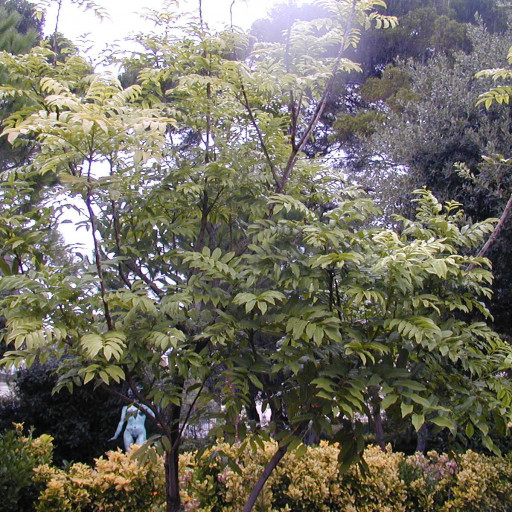
Plant Overview
Often called the Moreton Bay Chestnut or the whimsical "Lucky Bean Plant," this Australian native is a true master of transformation. While it is commonly sold as a tiny, desk-sized novelty with a giant bean sitting at its base, in the wild of Queensland’s rainforests, it grows into a towering giant reaching over 100 feet. It is a favorite for those who want a piece of the prehistoric-looking jungle inside their home.
🔍 How to Identify
- 🌱 The Giant Seed: The most striking feature of young plants is the large, green, rounded seed (the "bean") that sits half-exposed on the soil surface, from which the stem emerges.
- 🌿 Glossy Leaflets: It features dark green, pinnate leaves that have a waxy, polished sheen, arranged in pairs along the stem.
- 🔥 Bi-Color Flowers: In the wild or mature outdoor specimens, it produces stunning clusters of red and yellow pea-like flowers that are rich in nectar.
🏡 In Your Garden & Home
- ☀️ Light Seeker: While it can survive in lower light, it thrives in bright, indirect sunlight. If kept too dark, the "bean" will shrivel faster, and the plant will become leggy as it searches for the sun.
- 🪴 Growth Spurt: Be prepared—this plant is a fast grower. It will eventually outgrow its decorative "Lucky Bean" phase and require a larger pot or a permanent spot in a tropical garden.
- 💧 Drainage is Key: Because of its thick, fleshy roots, it hates sitting in stagnant water. Use a well-draining potting mix to prevent the iconic bean from rotting.
⚠️ Safety & Toxicity
- 🚫 Highly Toxic: The seeds (beans) of the Castanospermum australe contain high levels of saponins and are poisonous if ingested.
- 🐾 Pets & Kids: Keep this plant out of reach of curious cats, dogs, and children. Ingestion can cause severe gastrointestinal distress, vomiting, and abdominal pain.
- 🧤 Sap Sensitivity: Some people may experience mild skin irritation when pruning or handling the sap of the tree.
✨ Fun Fact
Despite being toxic raw, Indigenous Australians traditionally used these "beans" as a food source. They developed a complex process of roasting the seeds, slicing them, and then leaching them in running water for several days to remove the toxins before grinding them into flour!

Detailed Care Instructions
| Color | Red Or Yellow To Orange Blooms |
| Soil Ph | 5.0-6.0 |
| Humidity | Normal |
| Lighting | Full Sun |
| Soil Type | Rich, Moist, Well-Draining |
| Bloom Time | Spring To Autumn |
| Difficulty | Medium |
| Plant Type | Tree |
| Mature Size | Up To 130 Feet Tall And Up To 82 Feet Wide |
| Native Area | Australia |
| Temperature | 18°C - 25°C |
| Sun Exposure | Full Sun To Partial Shade |
| Hardiness Zones | 8-12 |
To grow Castanospermum australe (commonly known as the Black Bean, Moreton Bay Chestnut, or Australian Chestnut), follow these steps:
- Climate and Location: Choose a suitable location for planting. Castanospermum australe thrives in warm temperate to subtropical climates. It prefers full sun to partial shade, with protection from strong winds.
- Soil: The plant prefers well-draining soil. Ensure that the soil has good fertility and a pH between 6 and 7.
- Propagation: There are two common methods for propagating Castanospermum australe: by seed or through stem cuttings.
- Seed propagation: Soak the seeds in warm water for 24-48 hours to soften the hard seed coat. Sow the seeds in a pot or tray filled with well-draining potting mix. Cover the seeds lightly with soil and keep the soil slightly moist. Place the tray in a warm area with temperatures around 70-85°F (21-29°C). Germination can take several weeks to several months, so be patient.
- Stem cutting propagation: Take a semi-hardwood stem cutting from a mature, healthy plant. Remove the lower leaves and dip the cut end in a rooting hormone powder. Plant the cutting in a pot filled with a mixture of potting soil and perlite or vermiculite. Keep the soil moist and place the pot in a warm and well-lit area. Rooting generally takes 6-8 weeks.
- Seed propagation: Soak the seeds in warm water for 24-48 hours to soften the hard seed coat. Sow the seeds in a pot or tray filled with well-draining potting mix. Cover the seeds lightly with soil and keep the soil slightly moist. Place the tray in a warm area with temperatures around 70-85°F (21-29°C). Germination can take several weeks to several months, so be patient.
- Transplanting: Once the seedlings or rooted cuttings have grown to a suitable size (around 6-8 inches or 15-20 cm), transplant them into larger pots or directly into the ground. Handle the young plants with care to avoid damaging the roots.
- Watering: Castanospermum australe prefers consistent soil moisture but doesn't tolerate waterlogged conditions. Water the plant deeply and allow the soil to dry out slightly before watering again. During the hotter months, you may need to increase the frequency of watering.
- Fertilization: Apply a balanced and slow-release fertilizer during the growing season to provide the necessary nutrients for healthy growth. Follow the instructions on the fertilizer package for the correct application rate.
- Pruning: Prune the plant regularly to maintain its shape and remove any dead or diseased branches. Pruning can also help promote bushier growth.
- Mulching: Apply a layer of organic mulch around the base of the plant to help conserve moisture, inhibit weed growth, and improve soil fertility.
- Pest and Disease Control: Watch out for common pests like aphids, scale insects, and caterpillars. Regularly inspect the plant for any signs of pests or diseases, and treat accordingly with organic or chemical remedies.
Remember, Castanospermum australe can grow into a large tree, so ensure you have enough space for its mature size. It may take several years for the plant to reach its full growth potential.

Place in a bright room that is sun drenched almost all day. Or directly in a south-facing window.

To water this specific plant, it is important to make sure that the soil is evenly moist but not waterlogged. This can be achieved by watering deeply, allowing the water to soak into the soil and reach the roots. It is also important to allow the soil to dry out slightly between waterings to prevent overwatering and root rot. Additionally, it is important to water the plant at the base and avoid getting water on the leaves to prevent the risk of fungal diseases.
- Choose a fertilizer that is high in nitrogen, phosphorus, and potassium.
- Dilute the fertilizer according to the instructions on the package.
- Apply the fertilizer evenly around the base of the plant.
- Water the plant thoroughly after fertilizing.
- Repeat the fertilization process every 4-6 weeks during the growing season.
The ideal soil to use for this particular type of plant should be well-draining and have a moderate level of acidity. The soil should also be rich in nutrients and organic matter. This type of plant prefers soil that is slightly moist but not waterlogged, and it should be planted in an area with good sunlight exposure. Additionally, the soil should be carefully monitored to ensure that it does not become too compacted, as this can restrict the growth and health of the plant. Regular fertilization and watering are also important to ensure that the plant thrives in its chosen environment.
Castanospermum Australe plant can be propagated by seed. The seeds should be first soaked in warm water for several hours before planting. They should be planted in well-draining soil about 1 inch deep. The soil should be kept moist and the seeds should be kept in a warm and shady place. The seedlings will take several weeks to emerge. Once they do, they can be transplanted to larger containers. After a few months, they can be planted in the ground. Castanospermum Australe plant can also be propagated by stem cuttings. The stem cuttings should be taken from a healthy plant and placed in well-draining soil. They should be kept moist and in a warm and shady place until they root and start to grow.
Common pests of the moreton bay chestnut include Mealybugs, spider mites, aphids. Make a habit of checking your moreton bay chestnut frequently for pests so that any infestations can be caught and managed early.







