Plant Overview
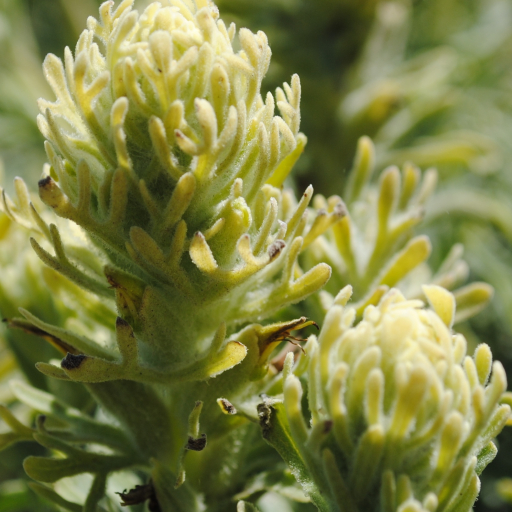
The San Clemente Island Indian Paintbrush is a rare, shimmering gem found nowhere else on Earth but the rugged cliffs of San Clemente Island, California. Often called the "Grey Paintbrush" or "Ghostly Paintbrush," this resilient shrub is a survivor that has recently bounced back from the brink of extinction.
🔍 How to Identify
- 🌿 Silvery Foliage: The entire plant is covered in a dense, felt-like coat of tiny white hairs. This "fuzz" protects the plant from the harsh salt spray and intense island sun, giving it a distinct metallic-grey glow.
- 🎨 Muted Bracts: Unlike its bright red cousins on the mainland, this paintbrush features floral bracts (modified leaves) that range from a subtle pale yellow to a dusty, brownish-purple.
- 🪵 Shrubby Habit: While many paintbrushes are delicate wildflowers, Castilleja grisea is a hardy sub-shrub with a woody base that can grow up to two feet tall.
🏡 In Your Garden
- 🤝 The Hidden Connection: This plant is "hemiparasitic," meaning it is a bit of a thief. While it can photosynthesize, it prefers to latch its roots onto those of a host plant—usually California Buckwheat or Saltbush—to steal extra water and nutrients.
- ⛰️ Drainage is King: Because it evolved on rocky island cliffsides, it cannot tolerate "wet feet." In a garden or restoration setting, it requires extremely fast-draining, gritty soil to prevent root rot.
⚠️ Safety & Toxicity
- 🐾 Pet Safety: This plant is generally considered non-toxic to touch, and there are no immediate records of it being a major hazard to cats or dogs in typical garden settings.
- ⚠️ Selenium Accumulator: Like many members of the Castilleja genus, it can absorb selenium from the soil. If grown in selenium-rich ground, the plant can become toxic if ingested by livestock or pets in large quantities.
✨ Fun Fact
The San Clemente Island Indian Paintbrush was once so rare that it was listed as an Endangered Species. It was nearly eaten into extinction by feral goats that lived on the island! After the goats were removed, the plant made such a spectacular recovery that it was officially removed from the Endangered Species List in 2023.

Detailed Care Instructions
To grow Castilleja grisea, also known as the Gray's Indian paintbrush, you can follow these steps:
- Seed Collection: Obtain seeds from a reliable native plant nursery or collect them locally. Seeds are usually available during the fall season.
- Soil Preparation: Castilleja grisea prefers well-draining, sandy or loamy soil. Clear the area of any weeds or grass, loosen the soil, and remove any large rocks or debris.
- Growing Conditions: Castilleja grisea thrives in full sun to partial shade. Ensure the chosen location receives at least six hours of direct sunlight each day.
- Seed Germination: Scarification is often necessary to break the seed dormancy. Soak the seeds in water overnight or use a file to gently scratch the seed coat, which will improve germination rates. Another method is to stratify the seeds in the refrigerator for a few weeks before planting.
- Planting the Seeds: Sow the seeds directly into the prepared soil, lightly pressing them into the soil surface. It is recommended to plant multiple seeds to increase the chances of germination.
- Watering and Maintenance: Water the planted seeds regularly and keep the soil consistently moist but not waterlogged. Avoid overwatering, as this can cause root rot. Weed the area regularly to prevent competition for resources.
- Patience: Castilleja grisea can take time to establish, and germination rates can vary. Be patient and provide consistent care while waiting for the seeds to sprout and grow.
- Avoid Disturbance: Once the plants emerge, avoid disturbing the soil around them. The roots of Castilleja grisea form relations with nearby plant roots, benefiting both species.
- Blooming and Harvesting: Depending on the climate, Castilleja grisea typically blooms between April and July. Enjoy the beautiful red to yellow-orange blooms and leave some flowers for seed production, contributing to the plant's natural propagation.
- Support Native Ecosystems: By growing native plants like Castilleja grisea, you support local wildlife by providing suitable habitats, nectar sources for pollinators, and food sources for insects, birds, and animals.
Remember to check if the specific requirements for Castilleja grisea align with your local climate and environmental conditions to ensure successful growth.

Place in a bright room that is sun drenched almost all day. Or directly in a south-facing window.

To properly water this plant, begin by examining the soil moisture level. It is important to avoid overwatering as this can lead to root rot. Ensure that the surface of the soil is dry before proceeding to water. When watering, do so slowly and evenly, allowing the water to penetrate deep into the soil. It is recommended to water the plant deeply once every 7-10 days, depending on environmental conditions and soil drainage. Avoid getting water on the leaves and flowers if possible to prevent disease and reduce the risk of sunscald. Additionally, always use room temperature water and avoid using water that has been treated with softeners or chlorine. Finally, consider providing some mulch around the base of the plant to help retain soil moisture and reduce water evaporation.
To fertilize this plant, apply a balanced 10-10-10 fertilizer in early spring before new growth begins. Use a granular or slow-release fertilizer and apply according to the manufacturer's instructions. Be sure to water the plant well before and after fertilizing to help nutrients reach the roots. Avoid over-fertilizing, as this can lead to excessive growth and decreased flowering.
Castilleja Grisea plant requires a well-draining soil that is light and loamy. The soil should have a neutral pH level of around 6.5 to 7.5. The plant prefers sandy or gravelly soils with good drainage. The plant does not tolerate heavy, clay soils, and the use of such soils should be avoided. The Castilleja Grisea plant also requires full sun to partial shade, and it prefers dry to medium moisture levels in the soil. Amending the soil with organic matter such as compost can help improve soil structure and provide essential nutrients for the plant. The soil should be kept moist but not waterlogged. Overwatering can lead to root rot and other plant diseases.
To propagate this plant, first choose a healthy and mature specimen that is at least one year old. Next, prepare a potting mix that consists of equal parts perlite and peat moss. Carefully pull the stem of the plant downwards to loosen it from the soil. Use a clean and sharp knife or garden shears to cut a healthy portion of stem, making sure it includes several nodes where leaves grow. Remove the leaves from the lower half of the stem and dip the cut end into rooting hormone powder. Make a hole in the potting mix and gently plant the stem, making sure that the nodes are completely covered. Water lightly and place in a warm, bright location away from direct sunlight. Keep the soil moist and mist the cuttings regularly. After a few weeks, roots should begin to develop and new growth will appear. Once the plant has established a healthy root system, transplant it into a larger pot or directly into the garden.








