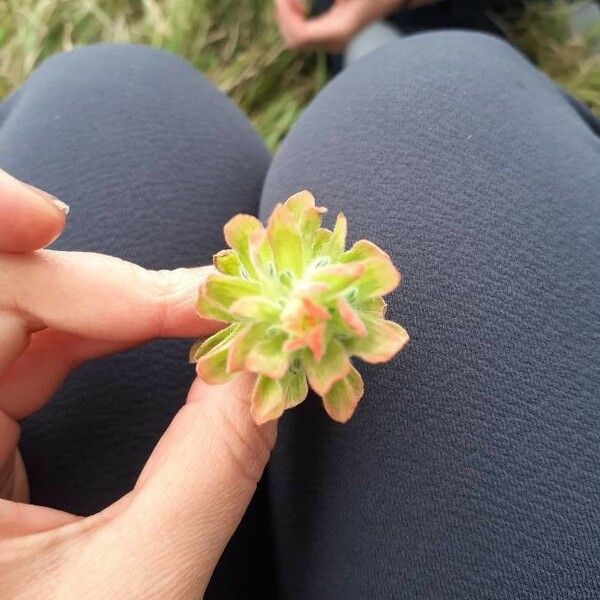
Plant Overview
Often called the Rose Paintbrush or Trans-Pecos Paintbrush, this stunning wildflower looks as though a desert artist dipped a brush in vibrant rose-red pigment and swept it across the landscape. Native to the rugged mountains of Mexico and the Southwestern United States, it is a resilient survivor of rocky slopes and dry pine-oak forests. Beyond its beauty, it leads a "secret life" as a botanical thief, stealing nutrients from the roots of neighboring plants to fuel its brilliant display.
🔍 How to Identify
- 🎨 The "Flowers": What looks like petals are actually modified leaves called bracts. In this species, they range from a deep rose-red to a bright, sunset orange, hiding the tiny, tubular true flowers inside.
- 🌿 The Foliage: The leaves are narrow and lance-shaped. The specific name nervata refers to the prominent, vein-like nerves that run along the length of the leaves.
- 📏 Growth Habit: It typically grows in upright clumps reaching about 8 to 16 inches tall, often with several stems emerging from a slightly woody base.
🏡 In Your Garden
- 🤝 The Need for a Host: This plant is hemiparasitic. It cannot survive on its own for long; it must attach its roots to those of nearby grasses or shrubs to steal water and minerals. If you try to grow it, you must plant it alongside a "host" plant like Blue Grama grass.
- ⛰️ Rocky Roots: It thrives in well-drained, rocky, or gravelly soils. It hates "wet feet" and will quickly rot if the soil stays damp or heavy with clay.
⚠️ Safety & Toxicity
- 🧪 Selenium Accumulation: Like many members of the Castilleja family, this plant can be a "selenium accumulator." It absorbs high levels of selenium from the soil, which can be toxic if eaten in large quantities.
- 🐾 Pets and Livestock: While usually ignored by pets, it can cause "alkali disease" (selenium poisoning) in livestock if grazed heavily. It is generally safe to touch, but it’s best to keep it off the menu for kids and animals.
✨ Fun Fact
Native American legends often refer to Paintbrushes as "Love Medicines." Some tribes believed that if a young man discreetly touched a woman with a sprig of the flower, she would fall in order with him—though the plant’s parasitic nature suggests it’s better at taking than giving!

Detailed Care Instructions
To grow Castilleja Nervata, also known as Indian paintbrush, you should follow these steps:
- Climate: Indian paintbrush thrives in full sun to partial shade and prefers well-draining soil. It is native to the western United States and Canada, so it does well in that region.
- Planting: You can either start Indian paintbrush plants from seeds or transplants. If starting from seeds, plant them in the early spring or fall. Sow the seeds on top of the soil and lightly press them in. If starting from transplants, make sure to plant them at the same depth they were in their original container.
- Watering: Indian paintbrush plants do not require much water once established. Water them consistently until they are established, then water them infrequently. Overwatering can lead to root rot.
- Fertilizing: Indian paintbrush plants do not require much fertilization. If the soil is lacking in nutrients, you can add a slow-release fertilizer in the spring.
- Mulching: Mulch around the base of the plants to help retain moisture and suppress weeds. Make sure not to cover the base of the plant as Indian paintbrush plants need good air circulation.
- Pruning: Deadhead the flowers to encourage more blooms and remove any dead or yellowing leaves.
- Pests and diseases: Indian paintbrush plants are relatively pest and disease-free. Keep an eye out for powdery mildew, aphids, and spider mites, and treat as necessary.
- Propagation: Indian paintbrush plants can be propagated through division or by seed. Divide established plants in the spring, and sow seeds in the fall or early spring.
With proper care and maintenance, Castilleja Nervata plants can thrive and add a vibrant touch to your garden.

Place in a bright room that is sun drenched almost all day. Or directly in a south-facing window.

To properly water this plant, you should first check the soil moisture by inserting your finger into the soil up to about an inch deep. If the soil feels dry to the touch, it is time to water. When watering, ensure that the water is applied directly to the base of the plant to avoid wetting the foliage, as this can lead to fungal diseases. Additionally, make sure to water deeply, allowing the water to penetrate the root zone of the plant. It is important to water consistently, but be mindful not to overwater as this can cause root rot. During hot summer months, the plant may require more frequent watering, while in the winter months, you may need to reduce the frequency of watering. Overall, ensure that the plant is kept consistently moist, but not waterlogged.
To fertilize Castilleja Nervata plants, use a balanced fertilizer with equal proportions of nitrogen, phosphorus, and potassium. Apply the fertilizer in early spring as the plant begins actively growing. Follow the manufacturer's instructions for the appropriate dosage and apply it around the base of the plant, being careful not to directly touch the leaves. Water the plant after fertilizing to help the nutrients penetrate the soil and reach the plant's roots. Repeat the fertilization process once or twice more during the growing season, but avoid fertilizing in late summer or fall to prevent stimulating late-season growth.
Castilleja Nervata typically thrives in well-draining, sandy or loamy soil that is slightly acidic to neutral in pH. A mix of equal parts sand, peat moss, and perlite can provide the ideal growing medium for this plant. Additionally, incorporating a small amount of organic matter, such as compost, can help improve soil fertility and moisture retention. It is important to avoid heavy, compacted soils that can lead to root rot and poor growth. Regularly checking and adjusting the soil pH and ensuring proper drainage will help promote healthy growth and blooming of the Castilleja Nervata plant.
To propagate Castilleja Nervata plants, you can collect the seeds from mature seedpods in the late summer or early fall. Allow the seedpods to dry on the plant before harvesting them. Once collected, remove the seeds from the pods and store them in a cool, dry place until you are ready to sow them.
To sow the seeds, prepare a seed tray or pot with well-draining soil. Sprinkle the seeds evenly over the surface of the soil and lightly press them into the soil, being careful not to bury them too deeply. Keep the soil consistently moist but not waterlogged, and place the tray in a warm, bright location.
Germination can take anywhere from a few weeks to a few months, so be patient. Once the seedlings have grown large enough to handle, transplant them into individual pots with well-draining soil. Continue to care for the young plants by ensuring they receive ample sunlight, water, and nutrients as they grow.
Alternatively, you can also propagate Castilleja Nervata plants through division. In the spring or early summer, carefully dig up a mature plant and divide the root ball into smaller sections, making sure each division has several healthy roots attached. Replant the divided sections in pots or directly in the garden, and provide them with the necessary care to promote healthy growth.








