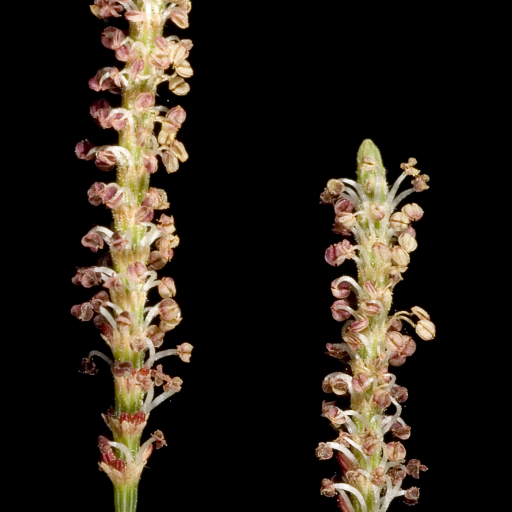
Plant Overview
Known as the "Swamp She-oak," this resilient Australian native is a master of mimicry. While it looks like a rugged pine tree with its feathery, needle-like foliage, it is actually a flowering plant unrelated to conifers. Often found lining salty marshes and riverbanks, it is famous for the mournful, melodic "sighing" sound the wind makes as it passes through its slender, drooping branches.
🔍 How to Identify
- 🌿 Branchlets: Instead of true leaves, it has long, grey-green "needles" called cladodes. These are actually specialized stems that perform photosynthesis to reduce water loss.
- 🪵 The Bark: As the tree matures, its bark becomes deeply fissured, rough, and dark grey-brown, giving the trunk a weathered, ancient character.
- 🌰 Seed Cones: It produces small, woody, globe-shaped cones (about 1-2 cm long). When they dry out, they open like tiny mouths to release winged seeds into the wind.
🏡 In Your Garden
- 🌊 The Salt Specialist: This is one of the best choices for "problem areas" in a landscape. It thrives in waterlogged, saline, or sandy soils where most other trees would fail to survive.
- 🌬️ Coastal Protector: Because it is incredibly wind-firm, it is frequently used as a living screen or windbreak to protect delicate garden beds from harsh coastal gusts.
- 🧪 Soil Improver: It possesses a unique relationship with soil bacteria that allows it to "fix" nitrogen from the atmosphere, essentially fertilizing the soil it grows in and helping neighboring plants.
⚠️ Safety & Toxicity
- ✅ General Safety: Casuarina obesa is generally considered non-toxic to humans, dogs, and cats. It does not contain the volatile oils found in true pines that can sometimes irritate sensitive skin.
- 🧤 Physical Caution: While not chemically toxic, the dried, woody cones can be quite sharp. Wear gardening gloves when cleaning up "leaf" litter to avoid small punctures or scratches.
✨ Fun Fact
The name Casuarina is derived from the Malay word for the Cassowary bird (kasuari). Early botanists thought the tree’s drooping, feathery branchlets looked exactly like the long, hair-like feathers of the flightless bird!

Detailed Care Instructions







