Plant Overview
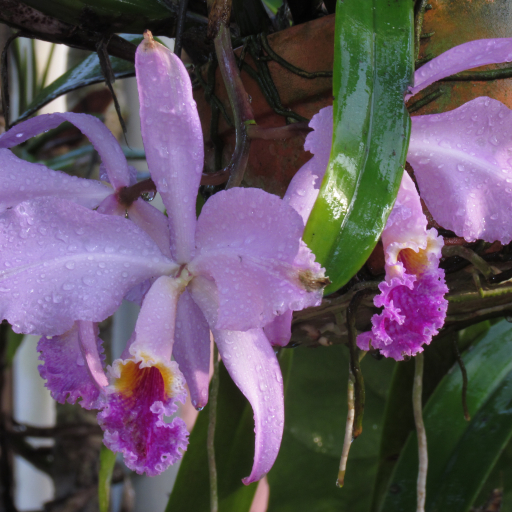
Known as the "Easter Orchid" and the national flower of Venezuela, Cattleya mossiae is the quintessential orchid that inspired a thousand perfumes. These regal beauties are famous for their massive, intoxicatingly fragrant blooms that traditionally signaled the arrival of spring. For decades, it was the "must-have" flower for high-society corsages and remains a crown jewel for orchid collectors today.
🔍 How to Identify
- 🌸 The Ruffled Lip: The most striking feature is its large, trumpet-shaped "lip" (labellum), which is deeply frilled and often features a splash of golden yellow mixed with intricate purple veins.
- 🍃 Pseudobulbs & Leaves: It possesses club-shaped, thickened stems called pseudobulbs that store water, each topped with a single, stiff, leathery leaf that feels almost like plastic.
- 👃 Intense Fragrance: The blooms release a heavy, sweet scent that is strongest in the morning, often described as a mix of vanilla and classic floral perfume.
🏡 In Your Garden
- 🌬️ Air is Everything: As an epiphyte, this plant lives on tree branches in the wild. In a home setting, it demands a chunky bark medium and high-airflow pots; it will quickly decline if its roots are buried in dense, heavy soil.
- ☀️ The Sun-Tan Rule: To trigger those massive blooms, this orchid needs very bright, indirect light. If the leaves are dark green, it’s "lazy" from low light; look for a light, "grassy" green color to ensure it has enough energy to flower.
⚠️ Safety & Toxicity
- ✅ Pet Friendly: Cattleya mossiae is generally considered non-toxic to cats, dogs, and horses, making it a safe choice for households with curious pets.
- 🧤 Skin Sensitivity: While not poisonous, the sap from a freshly cut stem can occasionally cause mild skin irritation for those with sensitive skin. It is best to wash your hands after pruning or repotting.
✨ Fun Fact
In the early 20th century, Cattleya mossiae was so synonymous with luxury that it became the primary flower used for Mother’s Day and Easter corsages in the United States, earning it the nickname "The Queen of Orchids."

Detailed Care Instructions
To grow Cattleya Mossiae plants, also known as the "corsage orchid," follow these steps:
- Light: Provide bright, indirect light to your Cattleya Mossiae plant. Place it near a window with filtered sunlight or use artificial grow lights if necessary. Avoid direct sunlight, as it can scorch the leaves.
- Temperature and Humidity: Cattleya Mossiae plants prefer daytime temperatures between 70-85°F (21-29°C) and cooler temperatures at night between 55-65°F (13-18°C). Maintain a humidity level of 50-70% by placing the plant on a humidity tray or using a humidifier if your environment is dry.
- Watering: Water your Cattleya Mossiae plant thoroughly when the top inch of the potting mix feels dry. Allow excess water to drain out completely to avoid waterlogged roots. These orchids prefer a drying-out period between waterings.
- Potting Mix: Use a well-draining orchid potting mix or a mixture of fir bark, perlite, and sphagnum moss. Repot the plant every 1-2 years or when the potting medium breaks down and becomes compacted.
- Fertilizer: Feed your Cattleya Mossiae plant with a balanced orchid fertilizer diluted to half strength every two weeks during the growing season (spring and summer). Reduce fertilization frequency in fall and winter to once a month.
- Air Circulation: Provide adequate air circulation around your orchid to prevent stagnant air, which can lead to fungal or bacterial diseases. Use fans or open windows to improve air movement.
- Blooming: Cattleya Mossiae plants typically bloom in late winter or early spring. To encourage blooming, reduce watering slightly during late fall and winter. Provide a cooler nighttime temperature, around 55-65°F (13-18°C), for 4-6 weeks to simulate winter conditions. This cooling period can help trigger flower spikes.
- Pest Control: Monitor your plant regularly for pests like aphids, mealybugs, and scale insects. If you notice any infestations, treat them promptly using organic or chemical control methods.
- Patience: Cattleya Mossiae plants may take several years to mature and produce blooms consistently. Be patient and provide proper care, and you will be rewarded with beautiful flowers over time.
Remember to adjust your care routine based on the specific conditions of your environment, as different locations may have variations in light, temperature, and humidity.
To properly water this plant, you will need to understand its natural habitat and its specific watering needs. Cattleya Mossiae typically grows in high humidity environments, such as rainforests, where it receives adequate water and nutrients from rainfall and the surrounding environment.
When watering this plant, it is important to allow the roots to fully absorb the water and then let the soil dry out completely before watering again. Be sure to avoid over-watering, which can cause root rot, but also do not let the soil become completely dry, which can lead to stress and dehydration in the plant.
One method of watering is to thoroughly saturate the soil with water and allow the excess to drain out of the bottom of the container. Another method is to soak the pot in a tray of water, allowing the roots to absorb water from the bottom up.
It is also important to provide adequate ventilation and airflow around the plant to help prevent fungal growth and disease. Additionally, fertilization is necessary for this plant, but be sure to use the proper type and amount of fertilizer for this specific species.
Overall, attentiveness, consistency, and understanding the plant's unique needs are important in successfully watering and caring for Cattleya Mossiae.
To fertilize this plant, use an orchid-specific fertilizer diluted to half-strength. Apply the fertilizer once every two weeks during the growing season and once a month during the dormant season. Make sure to water the plant thoroughly before fertilizing and avoid getting the fertilizer on the leaves or roots.
Cattleya Mossiae is a species of orchid that requires a specific blend of well-draining soil to grow properly. The soil should be loose and airy, containing a mix of organic materials such as bark, sphagnum moss, and perlite. The soil should have a slightly acidic pH level of around 6.0 to 6.5 and should not be too dense or compacted. It is important to avoid using heavy, clay-based soils that retain too much water, as this can lead to root rot and other fungal diseases. Instead, a light and porous soil is recommended, which allows for proper aeration and drainage. Additionally, it is important to regularly fertilize Cattleya Mossiae plants during the growing season to ensure healthy growth and abundant blooms.
Cattleya Mossiae is a popular orchid that can be propagated through a variety of methods. One common way is through division, which involves separating the plant into smaller sections, each with its own roots.
To do so, begin by selecting a mature, healthy plant with at least three or four pseudobulbs, which are swollen stems used for storing water and nutrients. Carefully remove the plant from its pot and gently untangle any roots.
Next, use a clean, sharp knife to slice through the rhizome, which is the horizontal stem that connects the pseudobulbs. Ideally, each section should have at least one pseudobulb and a few healthy roots.
Once you have divided the plant, prepare a new pot by filling it with a well-draining orchid mix. Place each section into its own pot and gently press the mix around the roots to secure it in place.
Water the newly propagated plants thoroughly and place them in a bright, filtered light location. Monitor their progress closely and adjust watering as necessary to ensure they stay hydrated but not waterlogged. With proper care, the newly propagated Cattleya Mossiae plants should eventually grow into mature, healthy specimens.








