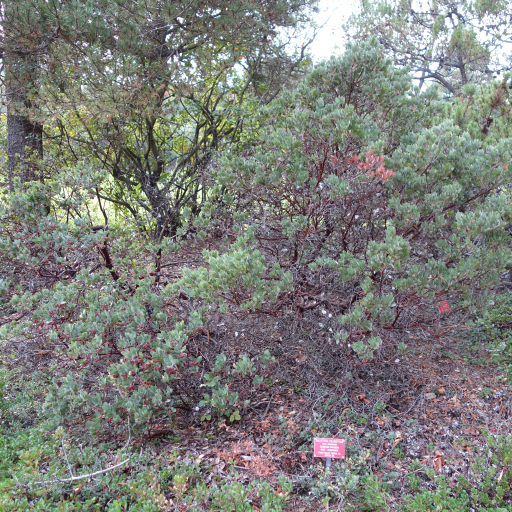
Plant Overview
Often called the Hollyleaf Ceanothus, this California native is a showstopper for Mediterranean-style landscapes. Its botanical name, purpureus, hints at the regal, deep-purple clusters that blanket the shrub in late winter and early spring. In the wild, it is a rare gem, found primarily in the volcanic soils of the Napa Valley and the southern North Coast Ranges.
🔍 How to Identify
- 🍃 Prickly Foliage: The leaves are dark, glossy green, and feature sharp, spiny teeth along the edges, making them look remarkably like miniature holly leaves.
- 🍇 Rich Blooms: It produces tight, rounded clusters (umbels) of tiny flowers that range from lavender to a deep, vibrant royal purple.
- 🏗️ Mounding Growth: This shrub typically maintains a low, spreading, or mounding profile, rarely exceeding 3 or 4 feet in height, which makes it an excellent ground-covering anchor.
🏡 In Your Garden
- 🏜️ Drainage is Key: This plant is a "drainage snob." It evolved in rocky, volcanic soils and will struggle or succumb to root rot if planted in heavy, wet clay. It is best suited for slopes or raised beds where water can move away quickly.
- 🦋 The Pollinator Magnet: Because it blooms early in the season when other nectar sources are still dormant, it acts as a vital "refueling station" for native bees and early-season butterflies.
- ✂️ Low Maintenance: Once established, it is extremely drought-tolerant. In fact, too much summer water can actually shorten its lifespan, as it prefers to remain dry during the hottest months.
⚠️ Safety & Toxicity
- 🟢 Generally Safe: The Hollyleaf Ceanothus is considered non-toxic to humans, dogs, and cats.
- 🌵 Prickly Warning: While not poisonous, the leaves are genuinely sharp. It is best to plant it away from walkways where skin might brush against it, and always wear sturdy gloves when pruning to avoid scratches.
✨ Fun Fact
The Ceanothus genus is famously known as "Soap Bush." If you pick a handful of the flower clusters and rub them between your palms with a little water, they will create a natural, fragrant lather. This botanical soap was traditionally used by Native Americans for a gentle and aromatic wash.

Detailed Care Instructions








