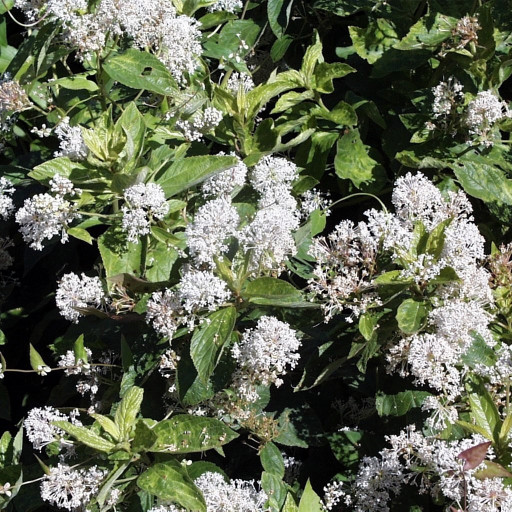
Plant Overview
Often called the "California Lilac," Ceanothus is a coastal superstar known for its breathtaking clusters of true-blue flowers. While it isn't related to the common lilac, its fragrance and intense color have earned it a spot as a "holy grail" plant for drought-conscious landscapers. In some circles, it is also known as "Soap Bush" because the blossoms can actually produce a gentle lather when rubbed with water.
🔍 How to Identify
- 🌸 Cloud-like Clusters: Dense, feathery "puffs" of tiny flowers that range from powder blue to deep indigo, though some rare varieties bloom in white or pink.
- 🍃 Glossy Foliage: Small, often oval leaves that are frequently dark green, glossy, or leathery. Many species have three distinct veins running parallel from the leaf base.
- 🪵 Versatile Habit: Depending on the variety, they can be low-growing groundcovers that hug the soil or large, woody shrubs that reach up to 15 feet tall.
🏡 In Your Garden
- 🏜️ Drought Champions: These plants are masters of "tough love." Once established, they thrive on neglect and can actually suffer if overwatered during the summer, as they are prone to root rot in wet, warm soil.
- 🧪 Self-Fertilizing: Ceanothus plants are nitrogen-fixers. They have a symbiotic relationship with soil bacteria that allows them to "pull" nutrients from the air, meaning they rarely need supplemental fertilizer.
- 🧱 Look but Don't Touch: They possess a very sensitive root system and generally hate being transplanted. It is best to choose their "forever home" carefully and avoid digging around the base once they are in the ground.
⚠️ Safety & Toxicity
- 🐾 Safe Status: Ceanothus is generally considered non-toxic to dogs, cats, and horses.
- 🧼 Natural Saponins: The flowers and seed pods contain saponins, which are natural soap-like compounds. While not poisonous, eating large amounts might cause a mild tummy ache, but they are otherwise safe for a busy household.
✨ Fun Fact
During the American Revolution, the leaves of the Ceanothus americanus variety were dried and used as a substitute for imported black tea, earning it the patriotic nickname "New Jersey Tea."

Detailed Care Instructions
To grow a Ceanothus plant, you can follow these steps:
- Choose a suitable location: Ceanothus plants prefer full sun or light shade, well-drained soil that is not overly fertile. Ensure the location you choose provides enough sunlight and good drainage.
- Prepare the soil: Before planting, loosen the soil and add organic matter like compost to improve drainage and fertility. This will promote healthy growth.
- Planting: Dig a hole twice as wide and deep as the root ball of the plant. Place the plant in the hole, ensuring that the top of the root ball is level with or slightly above the ground. Fill the hole with soil, gently firming it around the roots.
- Watering: Water the plant thoroughly after planting. Follow a regular watering schedule, ensuring the soil remains consistently moist but not waterlogged. Avoid overwatering, as it can lead to root rot.
- Mulching: Apply a layer of organic mulch around the base of the plant, keeping it a few inches away from the stem to prevent moisture accumulation. Mulching helps retain soil moisture, suppresses weeds, and regulates soil temperature.
- Pruning: Ceanothus generally requires minimal pruning, but you can shape it or remove damaged or crossing branches as needed. Late spring or early summer is the best time for pruning.
- Fertilization: Ceanothus plants typically do not require much fertilizer. However, if the plant appears weak or lacking in growth, you can apply a balanced slow-release fertilizer in early spring.
- Pest and disease control: Ceanothus plants are relatively resistant to pests and diseases; however, keep an eye out for aphids, scale insects, and powdery mildew. If any issues arise, manage them using appropriate control methods.
- Winter care: Most Ceanothus varieties are hardy, but young plants may benefit from protection in severe winters. Apply a layer of mulch around the base of the plant to insulate the roots from extreme cold.
Remember, specific care instructions may vary depending on the Ceanothus variety you are growing, so it's good to research the specific requirements of your chosen plant.

Place in a bright room that is sun drenched almost all day. Or directly in a south-facing window.

To water this plant, choose a spot that is well-draining and not prone to standing water. Use a watering can or hose to deposit water at the base of the plant, avoiding getting water on the leaves. Water deeply once every 1-2 weeks, depending on weather conditions and soil moisture levels. Check the soil regularly to ensure it is moist but not waterlogged. Avoid overwatering, as this can lead to root rot and other issues. In particularly hot and dry weather, you may need to water more frequently.
To fertilize this plant, use a balanced fertilizer with equal amounts of nitrogen, phosphorus, and potassium, such as a 10-10-10 blend. Apply the fertilizer in the early spring, just before the plant begins to put out new growth. Do not over-fertilize, as this can cause the plant to become leggy and weak. Water the plant deeply after fertilizing to ensure that the nutrients are distributed evenly throughout the soil. Avoid fertilizing during periods of drought or when the plant is stressed, as this can cause damage to the roots and leaves.
Ceanothus plant prefers a well-draining soil with a pH level ranging from acidic to alkaline. The soil should be rich in nutrients, but not too high in organic matter. It is best to use sandy loam soil with a mix of gravel or perlite for added drainage. Additionally, it is recommended to amend the soil with a slow-release fertilizer before planting to promote healthy growth and vibrant foliage.
To propagate this plant, gather seeds from the mature plant during the fall or winter months. Soak the seeds in warm water for 24 hours before planting. Plant the seeds in well-draining soil and keep them in a warm, bright location. The seeds should germinate within 2-4 weeks. Alternatively, take softwood cuttings from the plant during the spring or summer months. Remove the leaves from the bottom third of the cutting and dip the cut end in a rooting hormone. Plant the cutting in a well-draining soil and keep it moist. The cutting should root within 4-6 weeks.
Common pests of the ceanothus include Scale insect, aphids. Make a habit of checking your ceanothus frequently for pests so that any infestations can be caught and managed early.







