Plant Overview
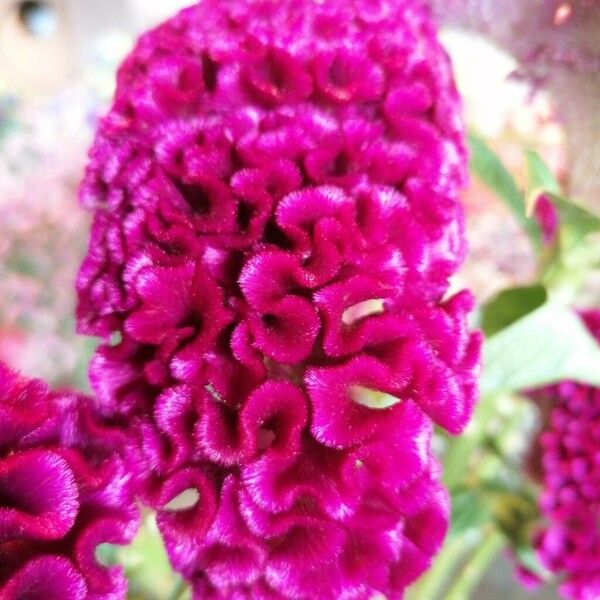
Often called the "Cockscomb" or "Brain Celosia," this striking annual looks like it belongs on a coral reef or in a science fiction movie rather than a backyard garden. Originating from the tropical regions of Africa and Asia, it has been a garden favorite for centuries due to its bizarre, velvety flower heads that mimic the crest of a rooster. Its intense, neon-like colors and architectural shape make it a showstopper in any floral arrangement or border.
🔍 How to Identify
- 🧠 The Flower: The most defining feature is the "crested" flower head, which looks like a folded, velvety fan or a miniature brain. The textures are incredibly soft to the touch, almost like suede.
- 🍃 The Foliage: Leaves are typically bright green, lance-shaped, and pointed. In some darker-flowered varieties, the leaves may have a beautiful bronze or deep burgundy tint along the veins.
- 📏 Growth Habit: These plants grow on stiff, upright stalks. Depending on the variety, they can range from dwarf types (6 inches) to tall specimens that reach up to 3 feet in height.
🏡 In Your Garden
- ☀️ Sun Lovers: Celosia is essentially a "living battery" that runs on heat. It thrives in full sun and becomes much more susceptible to fungal issues and stunted growth if kept in the shade or in soggy soil.
- 🚫 Root Sensitivity: These plants are notorious for hating "wet feet" and transplant shock. Because they have a delicate root system, it’s best to plant them in their "forever home" early or use peat pots to avoid disturbing the roots when moving them.
- ✂️ Everlasting Blooms: If you want to keep the "brain" looking fresh indoors, cut the flowers at their peak and hang them upside down in a dark room. They hold their vibrant colors exceptionally well when dried.
⚠️ Safety & Toxicity
- ✅ Status: Non-Toxic.
- 🐾 Details: Good news for pet owners! The Celosia cristata is listed by the ASPCA as non-toxic to dogs, cats, and even horses. It is a very safe choice for households with curious toddlers or pets who like to nibble on greenery.
✨ Fun Fact
In many parts of West Africa and Southeast Asia, certain varieties of Celosia are grown not for their flowers, but as a nutritious leafy vegetable! The leaves are said to taste similar to spinach and are often used in stews and side dishes.

Detailed Care Instructions
| Humidity | Normal |
| Lighting | Full Sun |
| Difficulty | Medium |
| Hibernation | Cold Period |
| Temperature | 26°C - 30°C |
| Hardiness Zones | 10 - 11 |
To grow Celosia Cristata, also known as cockscomb or garden cockscomb, follow the steps below:
- Choose the right location: Celosia Cristata thrives in full sunlight. Select a spot in your garden that receives at least 6-8 hours of direct sunlight per day.
- Prepare the soil: Celosia Cristata prefers well-draining soil with a pH between 6.0 and 7.5. If your soil is heavy or clay-like, amend it with organic matter like compost or peat moss to improve drainage.
- Sow the seeds: Start the seeds indoors about 6-8 weeks before the last frost date in your area. Fill seed trays or pots with a high-quality seed-starting mix, and plant the seeds about 1/4 inch deep. Keep the soil moist but not waterlogged.
- Transplanting: Once the seedlings have grown a few inches tall and the danger of frost has passed, transplant them into your garden or larger containers. Space the plants about 12-18 inches apart to allow for good air circulation.
- Watering: Celosia Cristata plants require regular watering, especially during hot, dry periods. Water deeply but avoid overwatering, as excessive moisture may cause root rot.
- Fertilizing: Apply a balanced, slow-release fertilizer according to the package instructions or use a liquid fertilizer every 3-4 weeks to promote healthy growth and vibrant blooms.
- Pruning: Pinch off the tips of the plants when they are young to encourage bushier growth and more blooms. Deadhead spent flowers regularly to promote continuous blooming.
- Mulching: Apply a layer of organic mulch around the plants to help retain moisture, suppress weeds, and regulate soil temperature.
- Pest and disease management: Celosia Cristata is generally resistant to pests and diseases. However, keep an eye out for common garden pests like aphids, caterpillars, or mites. If any issues arise, treat them promptly with organic insecticides or by manually removing the pests.
- Harvesting and saving seeds (optional): Celosia Cristata produces seed heads that can be harvested for seeds. Allow the flowers to fully mature and dry on the plant. Once dry, remove the seed heads and store them in a cool, dry place for future planting.
By following these steps, you can successfully grow Celosia Cristata and enjoy its colorful and unique blooms in your garden.

Place in a bright room that is sun drenched almost all day. Or directly in a south-facing window.

To water this particular plant, you must make sure that the soil is moist but not overly saturated. It is important to not let the soil dry out completely, as this could harm the plant's growth and development. It is recommended to regularly check the soil moisture by sticking your finger into the soil a few inches deep, and if it feels dry, it is time to water. When watering, do so gently and avoid getting water on the leaves, as this could lead to fungus growth. It is also important to avoid over-watering, as this can drown the plant's roots and lead to root rot.
To fertilize this plant, use a balanced fertilizer with equal parts nitrogen, phosphorus, and potassium. Apply the fertilizer once every two weeks during the growing season. Be careful not to over-fertilize, as this can damage the plant's roots and foliage. Water the plant well before and after fertilizing to minimize the risk of burning the roots.
The best type of soil for the Celosia Cristata plant is one that is rich in organic matter and well-draining. It should also be slightly acidic, with a pH level between 6.0 and 7.0. Additionally, the soil should be loose and light, with good aeration to prevent waterlogging or root rot. It is recommended to mix in some sand or perlite to improve drainage as well. A good nutrient-rich potting mix or loamy soil with added compost or manure will work well for this plant. Avoid using heavy clay soils or those that are too dry or sandy.
To propagate this plant, first locate a healthy stem with several leaves and cut it just below a node. Remove any leaves near the bottom half of the stem. Dip the cut end into rooting hormone, if desired, and plant it into a well-draining potting mix. Water the soil and cover the pot with a plastic bag to create a greenhouse-like environment. Keep the soil moist and place the pot in an area with bright, indirect light. After a couple of weeks, roots should start to form and new growth will appear. Once the plant has established a root system, transplant it into a larger container or into the ground.
Common pests of the quail grass include Spider mites, aphids, whiteflies. Make a habit of checking your quail grass frequently for pests so that any infestations can be caught and managed early.








