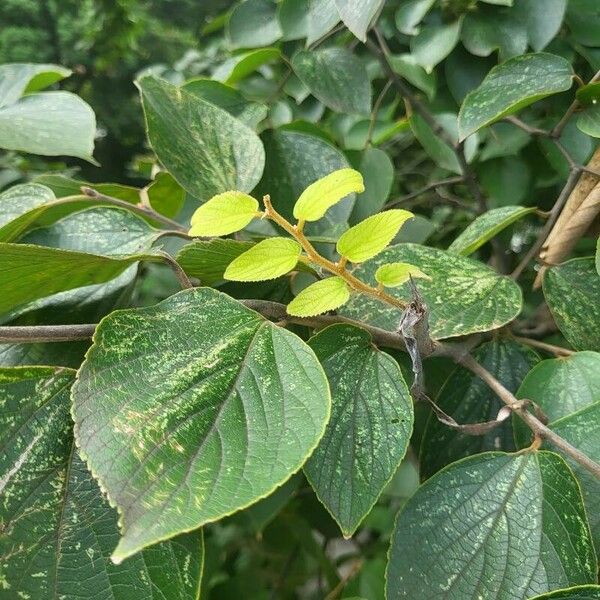
Plant Overview
Known as the Julian Hackberry, this majestic deciduous tree is a hidden gem from the temperate forests of central and eastern China. Celebrated for its stately, rounded canopy and its ability to turn a brilliant, shimmering gold in the autumn, it is a favorite for those seeking a "tough-as-nails" shade tree that doesn't sacrifice elegance for durability.
🔍 How to Identify
- 🍃 The Sculpted Foliage: The leaves are thick and leathery with a distinct "net-like" pattern of veins on the underside. They are typically ovate with a lopsided (oblique) base and sharp teeth along the edges.
- 🌳 The Textured Bark: While young trees have relatively smooth gray bark, mature specimens develop a rugged, corky character with deep fissures that add winter interest to the landscape.
- 🍒 The Autumn Drupes: In late summer, the tree produces small, round berries (drupes) that transition from a pale green to a deep, rusty orange or brownish-purple as they ripen.
🏡 In Your Garden
- 🏙️ The Urban Warrior: One of the most resilient species for city living, the Julian Hackberry is highly tolerant of atmospheric pollution, compacted soils, and variable pH levels, making it an excellent "street tree."
- 🌤️ Golden Transitions: Unlike some trees that drop brown leaves, Celtis julianae is prized for its reliable autumn display, where the entire canopy transforms into a dense cloud of butter-yellow.
- 🌬️ Wind & Weather: Because of its deep root system and flexible but strong wood, it is rarely bothered by heavy winds, though it prefers a spot where its wide-reaching roots have plenty of room to explore.
⚠️ Safety & Toxicity
- 🟢 General Safety: The Julian Hackberry is considered non-toxic to humans, dogs, cats, and horses.
- 🐦 Wildlife Magnet: While the berries are not typically consumed by humans due to their small size and large seeds, they are a vital high-energy food source for migratory birds.
- 🐾 Paws & Play: There are no known skin irritants associated with the leaves or bark, making it a safe choice for backyards where children and pets play.
✨ Fun Fact
In its native China, the wood of the Julian Hackberry is historically prized for its toughness and flexibility; it was traditionally used to craft high-quality tool handles and even sturdy agricultural implements that needed to withstand daily wear and tear.

Detailed Care Instructions

Place in a bright room that is sun drenched almost all day. Or directly in a south-facing window.

The presence of a dry surface layer of soil does not indicate that the plant requires water. Instead, stick your finger 1-2" (3-5 cm) deep in the soil to feel dampness or moisture content. If the soil seems dry, it's time to water your greens. If the soil is still moist, however, it is better not to water your plant and instead wait a day or two. Overwatering or waterlogging raises the risk of root rot. So if the soil takes longer than a week to dry, check the light conditions because it's likely that the plant isn't getting enough light. It's fine if the upper layer of soil is dry between waterings, but the deeper soil layer should always have some moisture.







