Plant Overview
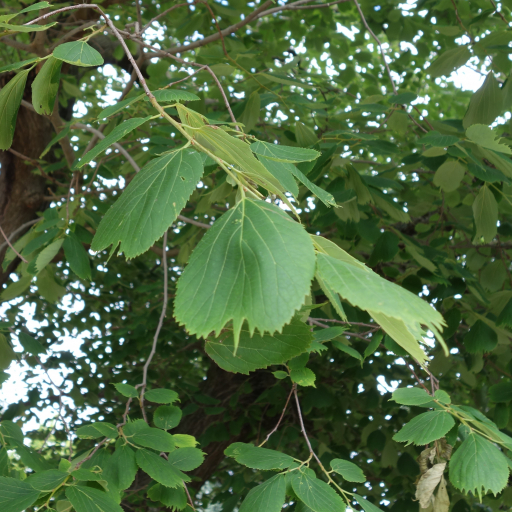
Known as the Korean Hackberry, this sturdy and statuesque tree is a hidden gem of East Asian landscapes. It is celebrated for its oversized, heart-shaped leaves and its ability to thrive where other trees might struggle. In its native Korea and Northern China, it is often seen as a symbol of endurance, standing tall against harsh winds and urban pollution while providing a dense, cooling canopy for weary travelers.
🔍 How to Identify
- 🍃 Dramatic Foliage: The leaves are significantly larger than other hackberry species, featuring a broad, ovate shape with a distinctive "drip tip" that helps rain run off efficiently.
- 🪵 Textured Bark: As the tree matures, its grayish-brown bark develops deep fissures and a rugged, corky texture that adds visual interest to a winter garden.
- 🍒 Autumn Berries: In late summer, it produces small, spherical fruits (drupes) that transition from green to a deep orange or reddish-brown, attracting a variety of songbirds.
🏡 In Your Garden
- 🌳 The "Forever" Spot: Like most members of the Celtis family, the Korean Hackberry develops a deep taproot. This makes it incredibly drought-tolerant once established, but it also means it hates being moved—choose its permanent home carefully.
- 🌬️ Urban Warrior: This tree is an excellent choice for city dwellers or those with windy properties. Its flexible wood and tolerance for poor soil and air pollution make it nearly "bulletproof" in tough environments.
⚠️ Safety & Toxicity
- ✅ Pet & Human Safe: The Korean Hackberry is generally considered non-toxic to dogs, cats, and humans. It is a very "family-friendly" tree for backyard play areas.
- 🐦 For the Birds: While the tiny berries are technically edible for humans, they are mostly pit and very little flesh. They are best left as a high-energy snack for local bird populations.
✨ Fun Fact
Despite its tough-as-nails reputation and rugged appearance, the Celtis genus is actually a close botanical relative of the Hop plant (Humulus) and the Hemp plant (Cannabis), all belonging to the family Cannabaceae!

Detailed Care Instructions
Celtis koraiensis, also known as Korean hackberry, is a deciduous tree native to East Asia. Here are some tips on how to grow Celtis koraiensis plant:
- Location: Plant Celtis koraiensis in a location that receives full sun to partial shade. Make sure the soil is well-draining and fertile.
- Watering: Keep the soil consistently moist, especially during the growing season. Water deeply but infrequently, allowing the soil to dry out slightly between waterings.
- Fertilization: Provide Celtis koraiensis with a balanced, slow-release fertilizer in early spring to support healthy growth.
- Pruning: Prune Celtis koraiensis in late winter or early spring to shape the tree and remove any dead or diseased branches.
- Mulching: Apply a layer of organic mulch around the base of the tree to help retain moisture, suppress weeds, and insulate the roots.
- Propagation: Celtis koraiensis can be propagated from seeds or by hardwood cuttings in late winter or early spring.
- Pest and disease control: Keep an eye out for pests such as aphids, scale insects, and caterpillars, as well as diseases such as powdery mildew and cankers. Treat any issues promptly with appropriate insecticides or fungicides.
By following these tips, you can successfully grow and care for Celtis koraiensis plant in your garden or landscape.

Place in a bright room that is sun drenched almost all day. Or directly in a south-facing window.
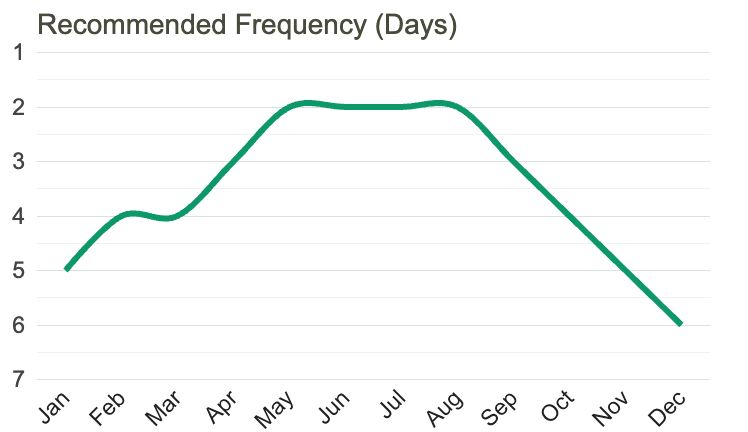
The most important thing to remember when watering this plant is to avoid overwatering. Make sure the top layer of soil is dry before watering again.
When it is time to water, use a gentle stream of water and avoid getting water on the leaves or trunk of the plant. Water at the base of the plant, allowing the water to soak into the soil.
It is also important to avoid letting the plant sit in standing water, as this can lead to root rot. Make sure the pot or container has adequate drainage holes to allow excess water to escape.
During periods of high heat or low humidity, the plant may require more frequent watering. Monitor the soil moisture levels and adjust your watering schedule accordingly.
To fertilize Celtis Koraiensis, use a balanced, slow-release fertilizer in the spring before new growth appears. Apply the fertilizer according to package instructions, being careful not to over-fertilize as this can harm the plant. Water the plant well after fertilizing to help the nutrients penetrate the soil and reach the roots. Repeat the fertilizing process once or twice more throughout the growing season, following the same guidelines.
To grow Celtis Koraiensis successfully, it is important to use a well-draining soil that is rich in nutrients. A mixture of peat moss, perlite, and vermiculite is recommended to ensure proper water retention and aeration. It is also important to maintain a slightly acidic soil pH, ranging from 5.5 to 6.5. Additionally, adding organic matter such as compost or aged manure to the soil before planting can help improve soil quality and promote healthy growth. Overall, using a well-draining, nutrient-rich, slightly acidic soil with organic matter is key to growing Celtis Koraiensis.
Celtis koraiensis plants can be propagated through seed germination or by taking cuttings from established plants. Here are the steps to propagate Celtis koraiensis plants:
- Seed Propagation:
- Collect mature seeds from the plant in the fall when they are ready to be dispersed.
- Remove the seeds from the fruit and clean off any pulp or debris.
- Stratify the seeds by placing them in a damp paper towel in a plastic bag in the refrigerator for 2-3 months.
- Fill small pots with a well-draining potting mix and plant the stratified seeds at a depth of about 1/4 inch.
- Keep the soil moist but not soggy and place the pots in a warm, sunny location.
- Germination should occur within 2-4 weeks.
- Cutting Propagation:
- Take cuttings from new growth on an established Celtis koraiensis plant in the summer when the plant is actively growing.
- Use a sharp, clean knife to cut a 4-6 inch stem from the plant just below a leaf node.
- Remove the leaves from the bottom half of the cutting and dip the cut end in rooting hormone.
- Plant the cutting in a pot filled with a well-draining potting mix and water thoroughly.
- Cover the pot with a clear plastic bag to create a mini greenhouse and place it in a warm, bright location.
- Keep the soil consistently moist and roots should develop in 4-6 weeks.
Overall, Celtis koraiensis plants can be easily propagated through either seed germination or cutting propagation, allowing you to expand your collection of these unique and beautiful plants.








