Plant Overview
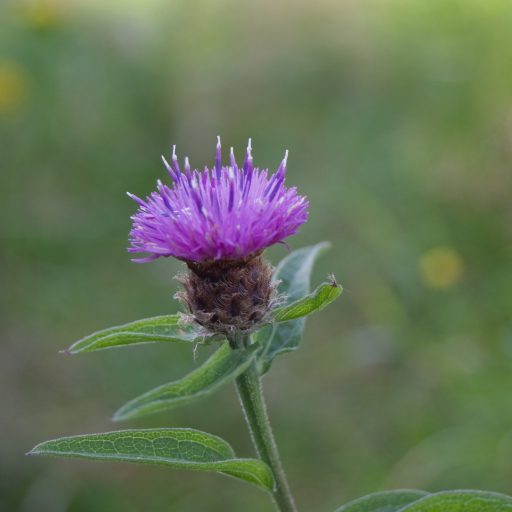
Known affectionately as Common Knapweed or "Hardheads," Centaurea nigra is the meadow’s resilient beauty. Often mistaken for a thistle because of its vibrant purple crown, it lacks the prickly personality of its cousins, making it much friendlier to the touch. Historically, it was a staple in rural English folklore, used by young women to predict their future romantic prospects.
🔍 How to Identify
- 💜 The Bloom: A dense, pincushion-like flower head made of many tiny, bright purple tubular florets that burst upward like miniature fireworks.
- 🛡️ The "Hard Head": Below the petals sits a firm, globular base covered in overlapping, fringed scales (bracts) that are dark brown or black, giving the plant its "Nigra" (black) name.
- 🌿 The Foliage: Rough, hairy leaves that are long and slender. The lower leaves are often lobed, while the upper leaves remain narrow and clasp the wiry, stiff stems.
🏡 In Your Garden
- 🐝 Pollinator Powerhouse: This plant is one of the highest nectar-producers in the wild. If you want to transform your garden into a sanctuary for honeybees, leafcutter bees, and the Painted Lady butterfly, this is your top candidate.
- 💪 Rugged Reliability: Knapweed thrives in poor, well-drained soil and is famously drought-tolerant. Because it develops a deep, stubborn taproot, it "hates" being moved once established—choose its permanent home wisely to avoid transplant shock.
⚠️ Safety & Toxicity
- ✅ Safe Status: Centaurea nigra is generally considered non-toxic to humans, cats, and dogs.
- 🧤 Skin Sensitivity: While not poisonous, the stems are very tough and covered in fine, rough hairs. If you are harvesting them for dried arrangements, wearing gloves is recommended to avoid minor skin irritation or "grass cuts" from the wiry stalks.
✨ Fun Fact
In the Victorian "Language of Flowers," Knapweed symbolized celibacy or "single blessedness." It earned the nickname "Hardheads" because the flower centers are so tough that they were once used by children in games similar to "conkers," trying to knock the heads off each other's plant stalks!

Detailed Care Instructions
To grow Centaurea Nigra, also known as Black Knapweed, follow these steps:
- Choose a suitable location: Centaurea Nigra prefers full sun and well-draining soil. Select a spot in your garden that receives at least 6-8 hours of direct sunlight per day.
- Prepare the soil: Make sure the soil is rich in organic matter and well-draining. Remove any weeds or debris from the area and loosen the soil with a garden fork or tiller. You can also add some compost or well-rotted manure to improve soil fertility.
- Planting seeds: Centaurea Nigra can be grown from seeds. Sow the seeds directly in the prepared soil about 1/8 inch deep. Space the seeds at least 12-18 inches apart to allow room for growth. Water the area gently after sowing.
- Watering: Keep the soil consistently moist but not waterlogged until the seeds germinate. After the seedlings emerge, reduce watering and allow the soil to dry out slightly between watering sessions. However, continue to water during dry periods to prevent the plants from drying out completely.
- Thin plants: Once the seedlings have grown a few inches tall, thin them out to maintain proper spacing. Remove the weakest plants, leaving the healthiest ones with enough room to grow.
- Fertilization: Centaurea Nigra generally doesn't require heavy fertilization. However, you can provide a balanced, slow-release fertilizer once or twice during the growing season to promote healthy growth.
- Pruning: Deadhead the flowers once they fade to extend the blooming season. You can also prune the plant back in late fall or early spring to improve its shape and encourage bushier growth.
- Pest and disease control: Centaurea Nigra is generally resistant to pests and diseases. However, keep an eye out for aphids or other common garden pests, and treat them accordingly if detected.
- Mulching: Apply a layer of organic mulch around the base of the plant to help retain moisture, suppress weed growth, and insulate the roots during extreme temperatures.
With proper care and attention, your Centaurea Nigra plant should thrive and produce beautiful, dark purple flowers throughout the growing season.

Place in a bright room that is sun drenched almost all day. Or directly in a south-facing window.

To water this plant, make sure to check the soil moisture level first. Stick your finger or a moisture meter about an inch into the soil to check for dryness. If the soil feels dry, water the plant deeply until water runs out of the drainage holes. Avoid getting water on the leaves and flowers, as this can cause damage or disease. Watering should be done on a regular basis, but frequency may vary depending on the climate, soil conditions, and plant size. It’s always better to water deeply and less frequently rather than a little bit every day.
To fertilize the Centaurea Nigra plant, follow these instructions:
- Choose a balanced fertilizer with equal amounts of nitrogen (N), phosphorus (P), and potassium (K). Look for a slow-release or organic fertilizer for better results.
- Dilute the fertilizer according to the package instructions. Measure the recommended amount of fertilizer and mix it with water in a watering can or sprayer.
- Apply the fertilizer to the soil around the base of the Centaurea Nigra plant. Avoid directly applying the fertilizer on the leaves or stems to prevent burning.
- Water the plant well after applying the fertilizer to help it absorb the nutrients properly. Ensure the soil is moist but not waterlogged.
- Repeat the fertilization process every 4-6 weeks during the growing season, which typically occurs in spring and summer.
- Monitor the plant for any signs of over-fertilization, such as yellowing leaves or stunted growth. If these symptoms occur, reduce the amount or frequency of fertilization.
- Always follow the manufacturer's instructions on the fertilizer packaging for optimal results and avoid over-fertilizing, as it can harm the plant and the environment.
Centaurea Nigra plant requires well-draining soil that is rich in nutrients and organic matter. The soil should have a pH level of between 5.5 and 7.5 for optimal growth. A sandy loam soil with a good mix of compost or manure is ideal for this plant. Make sure the soil is not waterlogged, as this can cause root rot. The plant prefers a slightly moist, but not overly wet soil. Adding fertilizer to the soil before planting can help provide essential nutrients to the plant. It is important to ensure that the soil is free from any weeds or debris that can hamper the growth of the plant.
Propagation of Centaurea Nigra plants can be achieved through various methods, allowing gardeners to expand their collection or share this beautiful species with others. Here's a detailed guide on propagating Centaurea Nigra:
- Division: Start by lifting an established Centaurea Nigra plant from the ground in early spring, ensuring the roots are intact. Gently separate the plant into two or more clumps, making sure each division has a good set of roots and shoots. Replant the divisions immediately in well-draining soil in a new location or in pots.
- Seeds: Collect seeds from mature Centaurea Nigra plants once the flower heads have dried and turned brown. Remove the seeds from the seed heads and store them in a cool, dry place until ready to sow.
a. Spring sowing: Start by scarifying the seeds using sandpaper or a nail file to break the outer shell, allowing water to penetrate for germination. Sow the seeds directly in well-prepared soil, covering them lightly with a thin layer of soil. Keep the soil consistently moist until germination, which typically takes 2-3 weeks. Thin out the seedlings once they have grown several leaves.
b. Indoor sowing: If you prefer to start Centaurea Nigra seeds indoors, sow them in seed trays or pots filled with a well-draining seed-starting mix. Cover the seeds lightly with a thin layer of soil and mist the surface to moisten it slightly. Place the trays or pots in a warm location, maintaining a consistent temperature of around 70°F (21°C). Every few days, check the moisture levels and mist if necessary. Once the seedlings emerge, provide adequate light and gradually acclimate them to outdoor conditions before transplanting.
- Stem Cuttings: Take stem cuttings from healthy Centaurea Nigra plants in early summer. Select a non-flowering shoot and cut several inches below a leaf node using clean, sharp pruning shears. Remove the lower leaves, leaving only a few at the top. Dip the cut end in rooting hormone powder to promote root development, then place the cutting in a pot filled with a well-draining rooting medium such as perlite or vermiculite. Keep the medium moist and provide indirect light. Roots should develop in about 4-6 weeks.
- Layering: In early spring or autumn, select a low, flexible stem from an established Centaurea Nigra plant. Bury part of the stem a few inches deep in the soil without detaching it from the parent plant. Use a small stake or U-shaped pin to hold the buried stem in place. Over time, roots will form along the buried portion of the stem. Once roots have adequately developed, cut the new plant from the parent and transplant it to a new location.
By following these propagation techniques, gardeners can successfully multiply their Centaurea Nigra plants and enjoy their striking beauty and unique characteristics in various areas of their garden.








