Plant Overview
Known to many as Fire Moss or Redshank, Ceratodon purpureus is nature’s resilient "first responder." This cosmopolitan moss is a world traveler, found on every continent—including the icy fringes of Antarctica. It earned its fiery nickname for its remarkable ability to colonize scorched earth immediately after a forest fire, painting blackened landscapes with a sudden wash of vibrant, wiry color.
🔍 How to Identify
- 🌿 The Foliage: Look for small, dense cushions or mats of tiny, lance-shaped leaves. When dry, these leaves twist and curl around the stem, giving the moss a slightly "braided" or shaggy appearance.
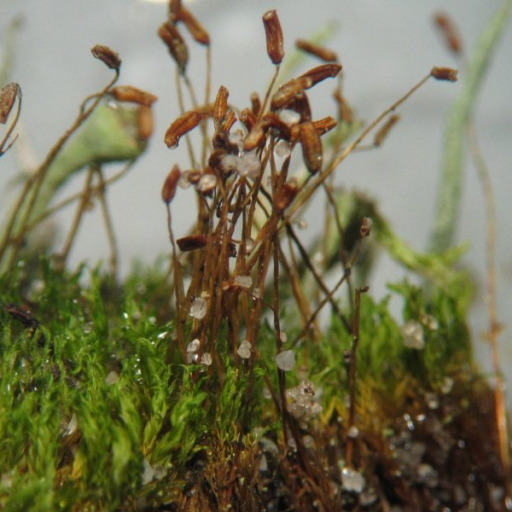
- 🍷 The Setae (Stalks): This is its most famous trait. During the fruiting season, the moss sends up long, wiry stalks that transition from a yellowish-green to a brilliant, deep reddish-purple or burgundy.
- 📯 The Capsules: At the tip of those purple stalks are the spore capsules. They are slightly curved, looking a bit like tiny, nodding pipes or "horns," which gives it the name Purple Horn-Toothed Moss.
🏡 In Your Garden
- 🧱 The Urban Pioneer: You don’t need a forest to find this moss. It is exceptionally "city-tough" and thrives in the cracks of sidewalk pavement, on old roof tiles, or in the acidic soil of neglected garden patches where other plants struggle.
- ☀️ Sun Tolerance: Unlike many of its cousins that hide in the deep, damp shade, Fire Moss is a sun-lover. It can handle high-intensity light and extreme temperature swings, making it a great choice for "moss lawns" in sunnier spots or rock gardens.
⚠️ Safety & Toxicity
- ✅ Status: Non-toxic and safe.
- 🧤 General Caution: While Ceratodon purpureus is harmless to pets and children, wild moss can act as a sponge for urban pollutants or heavy metals in the soil. It’s always best to admire it visually or wash your hands after handling moss found in city environments.
✨ Fun Fact
Ceratodon purpureus is a true survivor; scientists have discovered that this moss can survive being frozen in Antarctic ice for years. Once thawed, it simply resumes growing as if nothing happened!

Detailed Care Instructions
To grow Ceratodon purpureus, also known as the red-stemmed feathermoss, you can follow these steps:
- Choose a suitable location: Ceratodon purpureus is a moss that prefers moist, shady environments. Find a location in your garden that receives partial or dappled sunlight or an area with shade. It can also grow in damp areas like rock gardens, near water features, or in containers.
- Prepare the soil: Ceratodon purpureus prefers well-drained soil with a slightly acidic pH level. If your soil is compacted or clayey, consider adding organic matter like compost or peat moss to improve drainage and increase acidity.
- Collect specimens: Look for patches of Ceratodon purpureus in nature, typically found in meadows, forests, or along streams. Gather small clumps of moss by gently scraping it off the surface or using a trowel. Make sure to leave some moss behind to regenerate and sustain the population.
- Planting the moss: Place the collected Ceratodon purpureus clumps onto the prepared soil surface or in a container. Press the moss gently into the ground or container but avoid burying it too deep, as mosses need air circulation. Ensure there is good contact between the moss and the soil.
- Watering: Keep the moss moist throughout the establishment phase. Use a fine mist or a water sprayer to avoid dislodging the moss. Water the moss regularly, especially during dry periods, to maintain consistent moisture levels.
- Maintain moisture: Mosses thrive in consistently moist conditions, so mist the moss regularly to maintain moisture levels. This is especially important during dry weather conditions. However, avoid over-watering as excessive moisture can lead to issues like rot or fungal diseases.
- Provide shade: Ceratodon purpureus prefers filtered sunlight or partial shade. If your location is subject to intense sunlight, provide some shade using a shade cloth or by placing the moss under trees or shrubs. This will prevent the moss from drying out or scorching.
- Avoid foot traffic: As Ceratodon purpureus is a delicate moss, it's best not to walk or step on it to avoid damaging the fragile structures. Create paths or borders to help divert foot traffic away from the moss patch.
- Maintenance: To promote healthy growth, remove any weeds or other mosses that may start to encroach on your Ceratodon purpureus patch. Gently weed by hand or by using a soft brush to preserve the moss.
- Patience: Mosses grow slowly, so be patient and allow time for the Ceratodon purpureus to establish and expand its colonies. With proper care and maintenance, it will gradually spread and form a lush carpet-like appearance.
Remember to check your local regulations regarding the collection of mosses from the wild before collecting or propagating Ceratodon purpureus.

Place in a bright room that is sun drenched almost all day. Or directly in a south-facing window.
To water this plant, you should first ensure that the soil is well-draining and not waterlogged. Use a watering can or hose with a gentle spray setting to water the plant, making sure to avoid splashing water on the leaves. Allow the soil to dry out slightly before watering again, as overwatering can lead to root rot. It is best to water in the morning or evening when the sun is not as intense, as this will help prevent evaporation and ensure the water is absorbed properly.
To fertilize this plant, apply a balanced, slow-release fertilizer in the spring and again in the fall. Be sure to avoid over-fertilization, as it can harm the plant. Additionally, make sure the soil is moist before applying fertilizer.
The recommended soil for the plant in question is a mixture of peat moss and perlite, with a slightly acidic pH level. The soil should be well-draining and moisture-retaining, as the plant prefers consistently damp conditions. Additionally, adding a small amount of sand to the soil mixture can improve drainage.
To propagate this plant, you will need to take a cutting from the stem of the parent plant. Cut a section of the stem that is about 2-3 inches long, making sure to include several leaves. Dip the cut end of the stem into rooting hormone powder, which will encourage it to develop roots.
Next, prepare a small pot with moist soil. Plant the cutting, making sure to bury it about 1 inch deep into the soil. Water the cutting thoroughly and place the pot in a spot with bright, indirect light. Make sure to keep the soil moist but not saturated.
In a few weeks, you should start to see new growth from the cutting, which indicates that it has successfully rooted. At this point, you can continue to care for the new plant as you would with the parent plant. This may include repotting it into a larger pot, fertilizing it periodically, and giving it regular water.







