Plant Overview
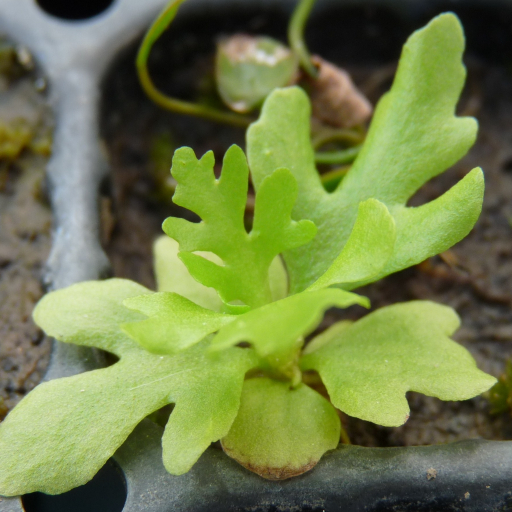
Often called the Water Sprite or Indian Fern, Ceratopteris thalictroides is a favorite among aquarium hobbyists for its delicate, lace-like appearance and rapid growth. This prehistoric-looking fern is a true "shape-shifter," changing its leaf structure dramatically depending on whether it is rooted in the mud or floating freely on the water's surface. In many parts of Asia, it is even celebrated as a nutritious wild vegetable found in rice paddies and marshes.
🔍 How to Identify
- 🌿 Lacy Fronds: The submerged leaves are light green and deeply divided into thin, narrow segments, resembling the tops of carrots or fine lace.
- 💧 Floating Form: When left to float, the leaves become thicker, wider, and more succulent, creating a dense green canopy that shades the water below.
- 👶 Adventitious Plantlets: One of its most striking features is its ability to grow tiny "baby" ferns directly along the margins of older, mature fronds.
🏡 In Your Garden (Aquarium & Pond)
- 🧪 The Nitrate Sponge: This plant is a powerhouse for water quality. Because it grows so quickly, it aggressively absorbs excess nutrients and nitrates, acting as a natural filter that helps prevent algae outbreaks.
- 🐟 Natural Nursery: The tangled, fine-leafed structure provides the ultimate sanctuary for baby fish (fry) and shrimp, protecting them from larger predators.
- ☁️ Delicate Roots: If you choose to plant it in the substrate rather than letting it float, be very gentle. The roots are fragile, and the "crown" (the base where leaves meet) must stay above the soil to avoid rotting.
⚠️ Safety & Toxicity
- ✅ Safe & Non-Toxic: This fern is completely non-toxic to humans, cats, dogs, and aquatic inhabitants.
- 🥗 Edible Nature: In its native tropical regions, the young, curled fronds are often harvested and eaten raw in salads or steamed as a leafy green vegetable.
✨ Fun Fact
✨ While it looks like a permanent fixture in the aquarium, Ceratopteris thalictroides is actually an annual plant in the wild. It completes its entire life cycle—from spore to giant fern—in just one year before dying back and leaving spores behind for the next season!

Detailed Care Instructions
| Humidity | Normal |
| Toxicity | Poisonous |
| Difficulty | Medium |
| Hibernation | Cold Period |
| Temperature | 15°C - 26°C |
| Hardiness Zones | Max 9A |
To grow Ceratopteris thalictroides, commonly known as water sprite or Indian fern, follow these steps:
- Choose a suitable container: Select a container with a capacity of at least 5-10 gallons, preferably a transparent one so you can observe the growth of the roots. Make sure the container has no sharp edges that could damage the leaves.
- Prepare the substrate: Add a layer of fine gravel or sand at the bottom of the container to provide a stable base for the plant. Alternatively, you can use a nutrient-rich aquatic plant substrate available in stores.
- Fill the container with water: Fill the container with room temperature water, ensuring that it covers the substrate. You can either use tap water treated with a dechlorinator or water from an established aquarium to avoid potential issues.
- Plant the water sprite: Gently remove the plant from its pot or container and separate any individual roots or stems. Plant the roots or stems into the substrate, ensuring they are well-covered.
- Provide suitable lighting: Place the container in a location that receives moderate to bright indirect light. Water sprites thrive in bright conditions but should be protected from direct sunlight, as it can burn the leaves.
- Maintain water conditions: Ceratopteris thalictroides prefers slightly acidic to neutral water with a pH range of 6.5-7.5. Monitor the water parameters regularly using a test kit and adjust if necessary. Additionally, water sprite thrives in warmer temperatures between 70-82°F (21-28°C).
- Supply nutrients: Although water sprite can survive in low-nutrient conditions, it will grow more vibrantly with the addition of nutrients. You can use liquid fertilizers or root tabs specifically formulated for aquatic plants. Follow the instructions provided by the manufacturer for dosage.
- Prune and thin out: As water sprite grows, it can become quite bushy. Prune and thin out the plant as needed to prevent overcrowding and ensure sufficient light and circulation throughout the leaves.
- Monitor and control algae growth: Algae can sometimes compete with water sprite for nutrients. Ensure proper filtration and regular water changes to keep the water clean. If algae growth becomes excessive, you may need to reduce the lighting duration or introduce algae-eating fish or invertebrates.
- Propagation: Ceratopteris thalictroides propagates easily through its daughter plants, which will develop from the main plant. Once they are a suitable size, you can separate them and replant them in the substrate to expand your water sprite collection.
Remember to be patient as water sprite may take some time to adjust and grow. With proper care and maintenance, you can enjoy the lush growth of Ceratopteris thalictroides in your aquarium or water garden.

Place in a bright room that is sun drenched almost all day. Or directly in a south-facing window.

Ceratopteris Thalictroides plant should be watered regularly to maintain its health and growth. It is important to ensure that the soil is always moist, but not waterlogged. Overwatering can lead to root rot and other plant diseases, so it is crucial to water the plant in moderation.
The watering frequency will depend on the environmental factors such as temperature, humidity, and light intensity. Generally, it is recommended to water the plant once or twice a week during the growing season and reduce the frequency during the winter months.
When watering, it is important to pour water directly onto the soil rather than over the leaves of the plant. This will prevent the accumulation of water in the leaf axils, which can cause fungal infections.
The plant should be watered early in the morning or late in the day to avoid evaporation and ensure maximum absorption by the roots. It is also recommended to use room temperature or lukewarm water rather than cold water, as this can shock the roots and slow down the growth of the plant.
Finally, it is important to monitor the plant for any signs of dehydration, such as wilted leaves or dry soil. If these symptoms occur, the plant should be watered immediately to prevent further damage.
To fertilize this plant, you will need to use a balanced liquid fertilizer. Mix the fertilizer with water at half the recommended strength, and apply it to the plant's soil once a week. Be careful not to over-fertilize, as this can harm the plant. You may also consider adding a layer of organic matter, such as compost, to the plant's soil to provide additional nutrients.
Ceratopteris Thalictroides is an aquatic plant that is commonly used in aquariums. When planting this species, it is important to choose the right type of soil. The soil should be specifically designed for aquatic plants and should provide the necessary nutrients for healthy growth. Look for a soil that is rich in minerals and that does not contain any toxins or pesticides. It is important to choose a soil that is well-drained, as standing water can suffocate the roots of the plant. Additionally, the soil should be free of any debris or contaminants that could harm the plant. Overall, choosing the right soil is essential to ensuring the health and vitality of Ceratopteris Thalictroides.
To propagate this plant, locate a healthy frond with multiple leaflets and remove it from the parent plant. Cut the frond off at its base using a sharp, sterile tool. Then, place the frond in a container of water or moist substrate and wait for new roots to grow. Once roots have formed, transplant the frond into a new substrate and provide appropriate lighting and nutrient levels for optimal growth. Repeat the process as desired to propagate additional plants.








