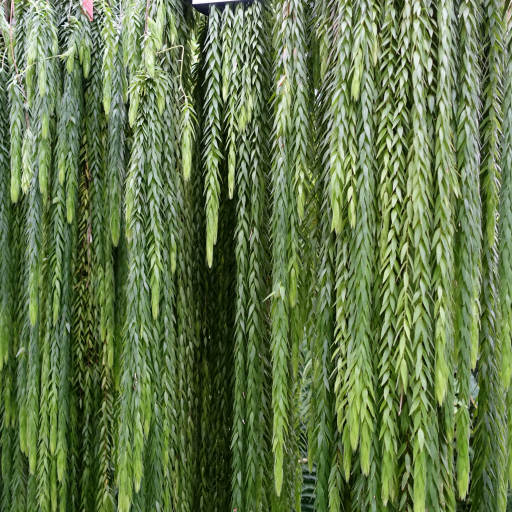
Plant Overview
Often called the "Cloud Forest Lantern," Ceratostema rauhii is a rare and striking shrub native to the misty, high-altitude Andean forests of Peru. This exotic relative of the blueberry belongs to the Ericaceae family, but instead of producing tiny berries for your cereal, it displays clusters of spectacular, waxy flowers that look like they were crafted from neon-lit porcelain. In its natural habitat, it often grows as an epiphyte—perched high on mossy tree branches—making it a prized jewel for specialized plant collectors.
🔍 How to Identify
- 🌺 Tubular Blooms: The most striking feature is the elongated, waxy, tubular flowers. They are typically a vibrant reddish-pink or orange, often tipped with dark purple or black, hanging in clusters like elegant chandeliers.
- 🍃 Leathery Foliage: The leaves are small, ovate, and have a thick, leathery texture. This "succulent-like" thickness helps the plant retain moisture in the fluctuating humidity of the cloud forest.
- 🪵 The Caudex: Mature specimens often develop a "caudex"—a swollen, woody base at the soil line. This lumpy, prehistoric-looking trunk stores water and nutrients, giving the plant a unique, bonsai-like character even when not in bloom.
🏡 In Your Garden
- ☁️ Cloud Forest Cravings: Unlike typical tropical plants that love heat, this species demands "cool and moist" conditions. It thrives in high humidity but hates stagnant air and sweltering temperatures; think of a breezy, misty morning on a mountain.
- ⛰️ The Right "Feet": Because it can grow on trees in the wild, it requires an incredibly airy, acidic potting mix. A blend of orchid bark, sphagnum moss, and perlite is better than standard soil, as it allows the roots to breathe while staying consistently damp.
- 💧 Water Quality Matters: Coming from pristine mountain environments, it is sensitive to the minerals in tap water. Using rainwater or distilled water will prevent the leaf-tip burn that often plagues sensitive Ericaceae species.
⚠️ Safety & Toxicity
- 🟢 Status: Generally considered non-toxic.
- 🐾 Details: While there are no documented reports of Ceratostema rauhii being poisonous to cats, dogs, or humans, it is not an edible plant. Most members of the Ericaceae family contain varying levels of grayanotoxins, so it is best kept out of reach of curious nibblers just to be safe.
✨ Fun Fact
In the wild, these plants have a "private security" deal with hummingbirds. The long, tubular shape of the flower is perfectly evolved to fit the beak of specific Andean hummingbirds, who act as the plant's primary pollinators in exchange for high-energy nectar!

Detailed Care Instructions
To grow Ceratostema rauhii, you can follow these steps:
- Choose a suitable location: Ceratostema rauhii prefers a shady or partially shady spot with indirect sunlight. It needs protection from strong winds and hot, direct sunlight.
- Prepare the soil: The plant prefers well-draining soil that is rich in organic matter. You can mix in compost or organic fertilizer to improve soil fertility.
- Propagation: Ceratostema rauhii can be propagated through stem cuttings or seeds. If using stem cuttings, make sure to use a sterile knife or pruners and take a cutting from a healthy plant. Remove the leaves from the lower two-thirds of the cutting and dip the cut end into rooting hormone. Plant the cutting in a small pot with moist potting soil and keep it in a warm, humid environment until roots develop. If using seeds, plant them in a tray or small pots with a well-draining potting mix. Keep the soil consistently moist and place the tray/pots in a warm and shaded area.
- Watering: Ceratostema rauhii prefers moist but not waterlogged soil. Water the plant regularly, keeping the soil evenly moist. Reduce watering during the winter months.
- Fertilizing: Feed the plant with a balanced liquid fertilizer every 2-4 weeks during the growing season (spring and summer). Follow the instructions on the fertilizer packaging for the correct dosage.
- Pruning: Prune the plant regularly to maintain its shape and remove any dead or diseased growth. This will also promote bushier growth.
- Pests and diseases: Ceratostema rauhii is generally resistant to pests and diseases. However, be on the lookout for common issues such as aphids, mealybugs, or fungal diseases. Treat any infestations or diseases promptly with appropriate pest control products.
Remember to research the specific care requirements of Ceratostema rauhii further, as different species within the genus may have slightly different needs.

Place in a window with dappled sun or a spot in the middle of a room. Or directly in a window facing west or east.

Ceratostema rauhii, commonly known as [redacted], is a plant that requires proper watering to thrive and stay healthy. Here are some guidelines to follow when watering this particular plant:
1. Soil Moisture: Check the moisture level of the soil regularly to determine when watering is needed. Use your finger or a moisture meter to assess the soil's moisture content.
2. Watering Frequency: As a general rule, water the plant when the top inch (2.5 cm) of soil feels dry to the touch. Overwatering should be avoided as it can lead to root rot or other moisture-related problems.
3. Watering Technique: When watering, it's best to avoid wetting the foliage or flowers if possible. Instead, direct the water towards the base of the plant, allowing it to soak into the soil.
4. Watering Amount: Ensure that the soil receives an adequate amount of water during each watering session, allowing it to penetrate the root zone. However, be cautious not to overwater as it can cause harm to the plant.
5. Drainage: Good drainage is essential for Ceratostema rauhii. Ensure that the pot or planting site has sufficient drainage holes to allow excess water to escape. This helps prevent waterlogging, ensuring the roots remain healthy.
6. Environmental Factors: Consider the environmental conditions, such as temperature and humidity, as they may influence the watering needs of your Ceratostema rauhii plant. Adjust the watering frequency accordingly during hotter and drier periods to prevent water stress.
7. Observation and Adjustments: Monitor the plant closely for signs of underwatering or overwatering. Wilted or drooping leaves may indicate insufficient water, while yellowing, browning, or mushy leaves could be a sign of excessive moisture. Adjust your watering schedule based on the plant's response.
Remember, the watering requirements for Ceratostema rauhii will vary depending on factors such as climate, pot size, and plant size. It's always best to observe the plant's individual needs and adjust your watering practices accordingly to promote its overall health and growth.
To fertilize Ceratostema Rauhii plant, use a balanced liquid fertilizer diluted to half strength. Apply the fertilizer every two weeks during the growing season, from early spring to late summer. Ensure the soil is slightly moist before fertilizing. Avoid over-fertilizing as it can lead to burning or damaging the plant's roots. Monitor the plant's growth and adjust fertilization frequency accordingly.
Ceratostema Rauhii, a member of the Gesneriaceae family, is a unique and rare plant that requires specific soil conditions for optimal growth. To ensure the plant's health and vigor, the following details should be considered when choosing the soil:
- Acidity: Ceratostema Rauhii prefers slightly acidic soil with a pH range between 5.5 to 6.5. This acidity level ensures that essential nutrients are readily available to the plant while also promoting the growth of beneficial soil microorganisms.
- Drainage: Good soil drainage is crucial for Ceratostema Rauhii, as excessive moisture can lead to root rot and other fungal diseases. The soil should allow excess water to drain freely, preventing waterlogging and maintaining healthy root conditions.
- Organic Matter: Incorporating organic matter into the soil helps enhance its fertility and structure. Organic matter improves soil moisture retention, nutrient availability, and promotes beneficial microbial activity. It can be added in the form of decomposed compost, well-rotted manure, or other organic materials.
- Texture: The soil should have a well-balanced texture, offering a combination of good drainage and water-holding capabilities. A mix of sandy loam and loamy soil is typically ideal for Ceratostema Rauhii, ensuring that it receives adequate moisture without becoming waterlogged.
- Aeration: Adequate soil aeration is crucial for the plant's root development and overall health. Loosening the soil before planting helps improve aeration, allowing roots to access oxygen more easily. Additionally, adding materials like perlite or coarse sand can enhance soil porosity, preventing compaction and facilitating root respiration.
It is essential to ensure that the specific soil requirements mentioned above are met to support the growth and development of Ceratostema Rauhii. This will facilitate optimal nutrient absorption, minimize the risk of root-related issues, and promote overall plant vigor.
Propagation is the process of creating new plants from existing ones. Here are the steps to propagate Ceratostema Rauhii:
- Select a healthy parent plant: Choose a mature and disease-free Ceratostema Rauhii plant as the source for propagation. Ensure that the parent plant has strong and vigorous growth.
- Propagation method: There are several methods of propagating Ceratostema Rauhii, such as stem cuttings, division, or seed propagation. In this case, we will focus on stem cuttings.
- Prepare the cutting: Take a sharp, sterile knife or pruners and cut a 4-6 inch (10-15 cm) long stem from the parent plant. Make sure the cutting has at least two to three leaf nodes (where leaves emerge).
- Remove leaves: Remove the lower leaves from the cutting, leaving only the top few leaves intact. This will reduce moisture loss and focus energy on root development.
- Hormone application (optional): If desired, dip the cut end of the stem into a rooting hormone powder or gel. This can help stimulate root growth and increase the chances of successful propagation.
- Potting mix: Prepare a well-draining potting mix with a combination of perlite, peat moss, and vermiculite. Fill a small pot or cell tray with this mix, leaving some space at the top for watering.
- Planting the cutting: Make a small hole in the potting mix using a pencil or your finger. Insert the cut end of the stem into the hole, making sure at least one or two nodes are buried in the mix. Gently firm the soil around the cutting to hold it in place.
- Watering: Moisten the potting mix around the cutting, ensuring it is evenly moist but not soaked. Avoid overwatering, as excessive moisture can cause the cutting to rot. Allow the top inch (2.5 cm) of the soil to dry out slightly between waterings.
- Provide appropriate conditions: Place the newly planted cutting in a warm, well-lit area with indirect sunlight. Avoid exposing it to direct sunlight, as this can lead to leaf burn. Maintain a temperature between 68-75°F (20-24°C) for optimal root development.
- Mist the cutting: To maintain humidity around the cutting, mist it with water using a spray bottle. This will prevent excessive moisture loss through the leaves and encourage healthy growth.
- Monitor and care: Regularly monitor the cutting for signs of rooting, such as new leaf growth or resistance when gently tugging the stem. It may take several weeks to a few months for roots to develop. Keep a watchful eye and adjust care as needed.
- Transplanting: Once the cutting has developed a strong root system, usually after a few months, it can be gently transplanted into a larger pot or the garden soil. Handle the plant with care to avoid damaging the delicate roots.
By following these steps, you can successfully propagate Ceratostema Rauhii and continue to enjoy the beauty of this unique plant in your garden or indoor space.
Common pests of the ceratostema rauhii include Mealybugs, spider mites, thrips. Make a habit of checking your ceratostema rauhii frequently for pests so that any infestations can be caught and managed early.








