Plant Overview
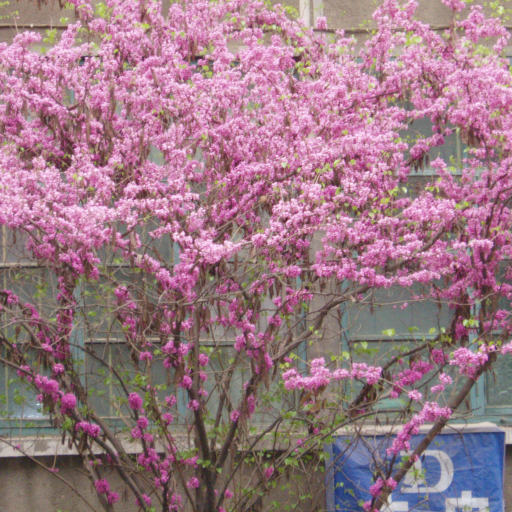
Often referred to as the "Jewel of the East," Cercis chinensis is a dramatic spectacle of the early spring garden. It is famous for a rare botanical phenomenon called "cauliflory," where neon-pink blossoms burst directly from the old wood of the trunk and branches before a single leaf appears. In its native China, this plant is a traditional symbol of family unity and brotherly love, often planted to represent a harmonious home.
🔍 How to Identify
- 🌸 Cushion-like Blooms: Unlike many trees, the flowers appear in dense, tiny clusters that hug the bark, creating the appearance of pink moss or velvet covering the branches.
- 🍃 Glossy Hearts: The leaves are perfectly heart-shaped (cordate), featuring a thick, leathery texture and a glossy finish that reflects the sun much more than the matte leaves of the American Redbud.
- 🎋 Shrubby Habit: It naturally grows as a multi-stemmed, upright shrub rather than a tall, single-trunked tree, often reaching a manageable 10–15 feet in height.
🏡 In Your Garden
- ⚓ The "Forever Home" Rule: This plant develops a long, sensitive taproot very quickly. It is notoriously difficult to transplant once established, so be sure to choose its permanent spot in the garden carefully to avoid "transplant tantrum."
- ⛅ Sun & Shield: While it thrives in full sun for the best floral display, it appreciates some light afternoon shade in hotter climates to prevent the glossy leaves from scorching at the edges.
⚠️ Safety & Toxicity
- ✅ Generally Safe: The Chinese Redbud is considered non-toxic to humans, cats, and dogs, making it a "worry-free" choice for family landscapes.
- 🐾 Digestive Note: While the flowers are actually edible (often used in salads for a tart, acidic crunch), the seed pods and foliage may cause mild stomach upset in pets if consumed in very large quantities.
✨ Fun Fact
The Chinese Redbud is a member of the Legume (Pea) family! This means it has a secret superpower: it "fixes" nitrogen. Special bacteria in its roots take nitrogen from the air and turn it into natural fertilizer, enriching the soil for the plants growing around it.

Detailed Care Instructions
To grow Cercis Chinensis plant, also known as the Chinese Redbud, you can follow these steps:
- Climate and soil: Ensure that you live in a region with a suitable climate for this plant, which is generally USDA hardiness zones 6 to 9. The Chinese Redbud prefers well-draining soil that is slightly acidic.
- Propagation: The most common way to propagate Cercis Chinensis is through seeds. Collect seeds from mature pods in the fall and place them in a plastic bag filled with moist sand. Store the bag in a cool place for at least two months, as this will mimic winter conditions and promote germination. After that, sow the soaked seeds in pots or directly in the ground.
- Planting: Choose a location that receives full or partial sunlight, especially in the morning. Dig a hole slightly larger than the root ball of the plant and fill it with well-amended garden soil mixed with some organic matter. Place the plant gently in the hole, ensuring that the top of the root ball is level with the soil surface. Backfill the hole and gently tamp down the soil.
- Watering: Keep the soil consistently moist but not waterlogged during the plant's establishment period. After that, regular watering should be sufficient unless there is a prolonged period of drought.
- Mulching: Apply a layer of mulch around the base of the plant, taking care to keep it away from the stem. Mulching will help to retain moisture, suppress weeds, and regulate soil temperature.
- Pruning: Prune Cercis Chinensis during the late winter or early spring before new growth appears. Remove any dead or damaged branches and shape the plant as desired. Avoid excessive pruning, as it can reduce flowering.
- Fertilizing: Fertilize the Chinese Redbud sparingly in the spring with a slow-release balanced fertilizer. Avoid over-fertilizing, as it can promote excessive vegetative growth at the expense of blooms.
- Pests and diseases: Monitor your plant regularly for pests like aphids or caterpillars. Treat any infestations with appropriate organic or chemical controls. The Chinese Redbud is generally resistant to diseases, but it's good to keep an eye out for issues like canker diseases or leaf spot and promptly address them if they occur.
Remember to research specific care requirements for your particular cultivar of Cercis Chinensis, as there may be slight variations.

Place in a bright room that is sun drenched almost all day. Or directly in a south-facing window.

To water this plant, you should first check the top layer of soil to see if it is dry to the touch. If the soil is dry, you should give the plant a thorough watering, making sure to saturate the soil. Allow any excess water to drain out of the bottom of the pot, if applicable.
It is important to not overwater this plant, as it can lead to root rot and damage the plant. Watering frequency may vary depending on the specific environment and conditions, but generally once or twice a week should be sufficient.
In addition to watering, it is also important to provide proper drainage to prevent water from pooling around the roots. This can be achieved by using a well-draining soil mix and ensuring that the pot or planting area has adequate drainage holes.
Overall, monitoring the plant's soil moisture levels and adjusting watering frequency as needed is key to keeping this plant healthy and thriving.
To fertilize the Cercis Chinensis plant, use a balanced fertilizer with equal amounts of nitrogen, phosphorus, and potassium. Apply the fertilizer in the spring before new growth appears, and again in mid to late summer. Use a slow-release fertilizer to prevent overfeeding and burning of the plant. Follow the package instructions for the recommended amount of fertilizer per square foot of soil. Water the plant thoroughly after fertilizing to help distribute the nutrients evenly.
For optimal growth and health of the Cercis Chinensis plant, it is recommended to use a well-draining soil mix. The ideal soil pH for this plant is slightly acidic to neutral. It is important to avoid using heavy clay soils or soils with poor drainage, as these can lead to root rot or other issues. A soil mix that is high in organic matter and contains a balanced blend of nutrients is ideal. When planting the Cercis Chinensis plant, it is important to ensure that the roots are properly covered and that the soil is firmly packed around the base of the plant. Regular watering and fertilization can also help to ensure healthy growth.
To propagate this plant, you will need to take stem cuttings in the spring or early summer. Choose a healthy stem that is about 4-6 inches long and contains a few leaves. Remove the leaves from the bottom half of the stem, and dip the cut end in rooting hormone. Plant the stem cutting in a pot with well-draining soil, and place it in a warm, bright location. Keep the soil moist but not waterlogged, and mist the cutting regularly to increase humidity. After several weeks, roots should begin to grow from the base of the stem. Once the cutting has established roots, it can be transplanted into a larger pot or outdoors.
Common pests of the chinese redbud include Scale insect, larvae. Make a habit of checking your chinese redbud frequently for pests so that any infestations can be caught and managed early.








